

Imagine a world where every grain of sand holds a story, a minute fragment of nature’s essence waiting to be transformed into a symphony of color and emotion. Sand painting, an art form both ancient and mesmerizing, beckons with the promise of more than mere visual delight—it offers a profound restoration of the spirit, a shift in perspective that tempts the curious soul to delve deeper. The restorative power of a sand painting is an alchemy of material and meaning, fusing the ephemeral beauty of shifting granules with an enduring invitation to heal, reflect, and reimagine one’s inner landscape.
The Harmonious Marriage of Nature and Art
Sand, often overlooked as a banal stretch of minuscule particles beneath our feet, is an extraordinary medium. When sifted through the fingers of a deft artist, it transcends mundanity, morphing into vivid tapestries of color and texture. The process itself is inherently meditative, demanding focused presence and delicate control to arrange the grains into intricate patterns and symbols. This intimate embrace between artist and medium instills a serene rhythm, a tranquil cadence that quiets the mind and invites thoughtful introspection.
Each stroke redefines the boundaries of impermanence and precision. The ephemeral nature of sand paintings, especially when crafted for rituals or spiritual contemplation, serves as a poignant metaphor: just as life’s moments are fleeting, so too is the masterpiece destined to be swept away, underscoring the beauty in transient transformation. This awareness itself catalyzes a mental shift, encouraging acceptance and reverence for the present moment.
A Therapeutic Conduit for Emotional Alchemy
The restorative essence of sand painting lies deeply entangled with emotional catharsis. Engaging with the grains—whether in creation or observation—invokes a calming grounding effect, akin to mindfulness practices renowned for their healing properties. The granular texture under fingertips anchors restless thoughts, stabilizing turbulent emotions and fostering a sense of equilibrium. It is no exaggeration to say that sand painting embodies a tactile meditation, a sensory experience that reconnects individuals with their core self.
Moreover, the symbolism woven into many sand paintings amplifies this healing potential. Often, motifs represent elements of nature, mythology, or personal narratives, inviting viewers and creators alike to embark on a transformative journey. Through such symbology, the artwork becomes a mirror reflecting buried emotions and unexplored aspirations, granting permission to confront and transcend personal shadows.
Cultural Embodiment and Spiritual Resonance
Across indigenous traditions and contemporary cultures, sand paintings occupy a sacred niche. Their spiritual resonance is palpable, harnessing the earth’s essence to invoke protection, guidance, and renewal. For instance, in certain Native American ceremonies, sand paintings function as elaborate ritualistic instruments designed to restore harmony to individuals and communities. The act of crafting and subsequently dissolving the painting echoes cycles of renewal and rebirth fundamental to human existence.
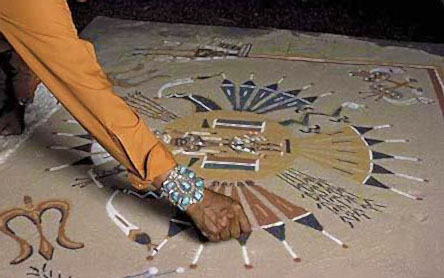
This cyclical nature challenges the observer’s notions of permanence and control, inspiring a liberating shift in perspective. It gently demands surrender to change and embraces the fluidity of life’s ebb and flow. The spiritual dialogue enacted through sand painting thus becomes a conduit for profound healing and self-realization.
The Dance of Colors: Evoking Emotional and Cognitive Shifts
Color is the language of emotion, and in sand painting, it is wielded with exquisite sensitivity. Each hue—be it fiery ochre, cool azure, or radiant crimson—carries psychological undertones that communicate beyond words. This chromatic interplay captivates the eye and stirs the soul, unlocking doorways to dormant feelings and fresh insights.
For the viewer, immersion in this kaleidoscopic dance initiates a subtle but undeniable shift. Patients and therapists alike have observed sand paintings catalyzing new perspectives on trauma and joy, grief and hope. The layered complexity of colors and patterns mimic the multifaceted nature of human experience, inviting a reframing of one’s narrative and an expansion of empathy towards oneself and others.
Inviting Curiosity: The Intrigue of Temporary Masterpieces
What makes sand painting singularly captivating is its transient existence. Unlike oil on canvas or marble sculpture, a sand painting is often created with the knowledge it will not endure. This inevitability piques curiosity and imbues the artwork with an almost mystical aura. Observers find themselves caught in the paradox of cherishing the moment while anticipating its dissolution.
This ephemeral quality invites an exploration of the boundaries between permanence and impermanence, challenging entrenched thoughts about value and beauty. It urges the mind to be fluid, to embrace change rather than resist it, fostering a mental elasticity that ripples beneficially beyond the artistic realm.
Integrating Sand Painting into Personal Healing Practices
Incorporating sand painting into one’s life transcends simple artistry—it is a holistic ritual that can amplify personal wellness. Engaging with this medium, whether in crafting or contending with the imagery it presents, nurtures patience, concentration, and emotional clarity.
Many have found that regular interaction with sand painting lowers stress levels, enhances mindfulness, and even rekindles creative energies stifled by modern life’s frenetic pace. The act becomes a profound dialogue between the inner and outer worlds, a sacred pause that allows wounds to breathe and new visions to arise.
In the end, the restorative power housed within sand paintings is not merely about aesthetics. It is an invitation to rethink our relationship with impermanence, to embrace the dance of creation and dissolution, and to rediscover harmony amid chaos. Each grain is a whisper of ancient wisdom, each pattern a testament to the soul’s resilience and longing for transformation. To immerse oneself in this art form is to embark upon an odyssey of healing—a journey where curiosity is the compass and perspective forever shifts towards light.


Leave a Comment