

In the vast landscape of contemporary art, certain exhibitions emerge not merely as displays but as profound dialogues—confronting, unsettling, and beckoning the audience toward uncharted understandings. Yto Barrada’s French Pavilion at the Venice Biennale is precisely such a phenomenon: a multidimensional requiem that unearths colonial silences long buried beneath layers of history and memory. It promises a seismic shift in perspective, compelling viewers to navigate the entangled legacies of empire with both sensitivity and intellectual rigor.
The Architecture of Silence: A Historical Context
Colonial histories are often obscured beneath glossy narratives of progress and civilization. Barrada’s work challenges this veneer, excavating the silences that have echoed over centuries. Her French Pavilion is not just an exhibition space but a carefully constructed environment wherein absence speaks as loudly as presence. Through diverse mediums—photography, installation, and film—she traces the fractures left by colonialism’s violent footprints. This endeavor is less about condemnation and more about invitation: an invitation to witness the residual scars and reconsider the narratives that have been perpetuated.
The lacunae of colonial discourse have long been a site of contestation, and Barrada’s intervention disrupts the passive acceptance of historical amnesia. By rekindling the memory of these latent wounds, she transforms the pavilion into a mausoleum of forgotten voices, urging collective remembrance and critical introspection.
Visual Histories Woven into Present Realities

At the heart of Barrada’s exhibit lies a meticulous assemblage of visual histories that intertwine past and present. Her photographs, imbued with a haunting eloquence, capture landscapes and architectural remnants that stand as mute witnesses to colonial exploits. These images invoke a spectral presence, hovering between decay and resilience, evoking questions about who remembers and who remains forgotten.
Each frame functions as a portal, transporting viewers across borders and time zones—reflecting on the enduring consequences of displacement, migration, and cultural erasure. The tension between the aesthetic beauty of the images and the painful histories they conceal accentuates the profundity of Barrada’s inquiry.
Deconstructing Narratives Through Multisensory Engagement
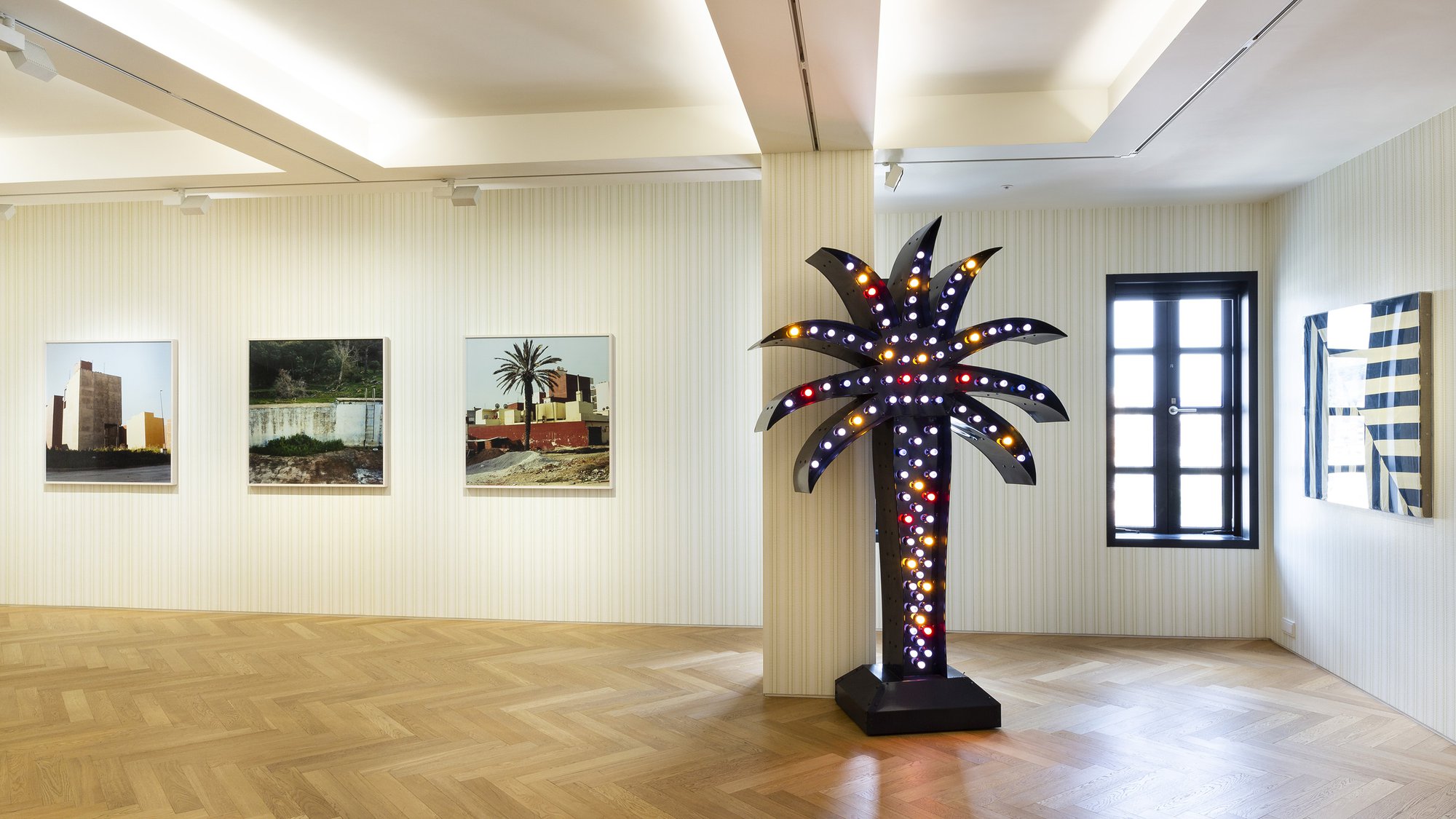
Barrada refuses to confine understanding to a single dimension. Through immersive installations, she engenders a multisensory experience that transforms passive spectators into active participants. These environments harness sound, spatial manipulation, and tactile elements to dismantle monolithic narratives.
Visitors may find themselves enveloped by ambient sounds—echoes of marketplaces, distant conversations, or the whisper of history recoiling against silence. This methodical layering of sensory input facilitates a fuller comprehension of the hidden dialogues entrenched within colonial contexts. The multisensory approach breaks down barriers of detachment, prompting an empathetic engagement that resonates beyond intellectual acknowledgment.
The Politics of Representation and Memory
Central to Barrada’s project is an interrogation of who holds the power to tell history and whose stories have been marginalized or erased. The French Pavilion becomes a contested terrain where colonial narratives are deconstructed, and alternative voices emerge from the shadows.
Her praxis confronts the politics of representation head-on, emphasizing the ethical imperative to acknowledge subaltern perspectives. In doing so, Barrada confronts the imperial gaze, destabilizing it and reframing history through a kaleidoscope of previously suppressed viewpoints. This delicate reweaving of memory confronts audiences with uncomfortable truths while opening pathways for reconciliation and renewed understanding.
Migratory Legacies and Contemporary Resonances
Colonial histories are not relics isolated in the past—they have woven themselves deeply into the fabric of modernity, influencing migration, identity, and geopolitical tensions. Barrada’s pavilion illuminates these continuities, drawing clear lines from colonial exile and displacement to today’s crises of borders and belonging.
By exploring migratory themes, the exhibit extends beyond historical critique into urgent contemporary discourse. Barrada captures the complexities of movement—both forced and voluntary—as an enduring legacy of colonial disruption. This lens underscores the resilience of diasporic communities and the ongoing negotiations of identity in a globalized world.
A Catalyst for Dialogues and Reimagined Futures
Ultimately, Yto Barrada’s French Pavilion transcends the role of art as a mere mirror reflecting societal ills. It becomes a catalyst, sparking dialogues that challenge entrenched assumptions and kindle the possibility of reimagining collective futures. Its requiem is not one of defeat or despair but of reckoning—a call to confront history’s silences and engage with their reverberations.
This exhibition promises a radical shift in perspective, urging both the art world and its audiences to reconsider the inheritances that shape our present and tangle our future. It reminds us that to move forward, one must first listen to the echoes of forgotten stories and acknowledge their enduring impact.
In navigating the complex intersections of history, memory, and identity, Barrada offers more than art—she offers a poignant, necessary journey into the heart of colonial legacies. Her pavilion stands as an evocative monument to those silences, demanding that we heed their resonance and, in doing so, transform our understanding of the world and ourselves.


Leave a Comment