

In the shimmering skyline of Abu Dhabi, the Guggenheim Abu Dhabi looms as an audacious beacon of culture and modernity. But here comes the $1 billion question: will it live up to its astronomical price tag and global expectations? This question pirouettes playfully yet provocatively over the project’s future, weaving a narrative of ambition, innovation, and formidable challenges. As the world watches, the Guggenheim Abu Dhabi stands poised at the crossroads between groundbreaking triumph and daunting complexity.
Setting the Stage: The Envisioned Cultural Colossus
The Guggenheim Abu Dhabi is not just another museum; it is conceived as a cultural leviathan—an epicenter of contemporary art that transcends geographical boundaries. Conceived by the legendary architect Frank Gehry, the design itself evokes a symphony of fluid forms and iconic, sweeping curves. The building is intended to be a magnet for creative minds, attracting art aficionados from around the globe to explore avant-garde exhibitions and immersive installations.
This grand vision comes with a hefty investment, roughly estimated at over $1 billion. Such an enormous financial pledge naturally triggers a cascade of skepticism and debate. Is this gargantuan expenditure justified? Can a museum—no matter how architecturally spectacular—justify its colossal price through cultural vitality and economic stimulation? These questions are at the heart of the discourse surrounding the Guggenheim Abu Dhabi.
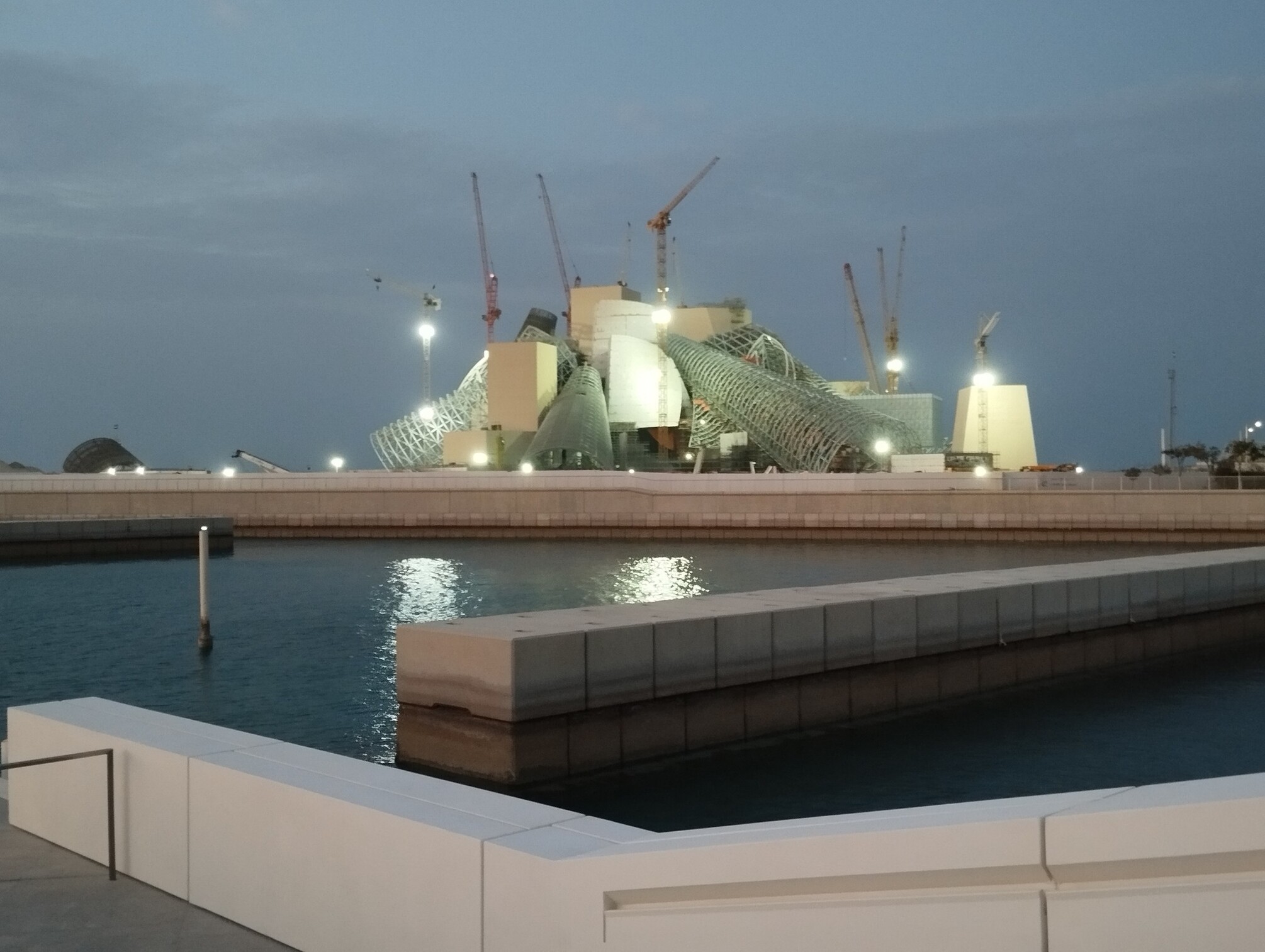
The Architectural Marvel or Engineering Enigma?
Frank Gehry’s hallmark style, celebrated for buildings like the Guggenheim Bilbao, is emblematic of daring innovation and structural audacity. Yet, the very elements that promise to make the Abu Dhabi Guggenheim an architectural treasure also bring considerable engineering headaches. The intricate interlacing of metallic panels and undulating shapes demands precision manufacturing and cutting-edge construction methods.
Extensive Building Information Modeling (BIM) techniques have become indispensable in managing this complexity. BIM allows architects, engineers, and contractors to visualize and coordinate the massive project down to the minutest detail, helping stave off costly mistakes and construction bottlenecks. However, BIM excellence comes with a steep learning curve and requires seamless collaboration across diverse teams and cultures, posing a potential challenge that could delay or inflate costs.
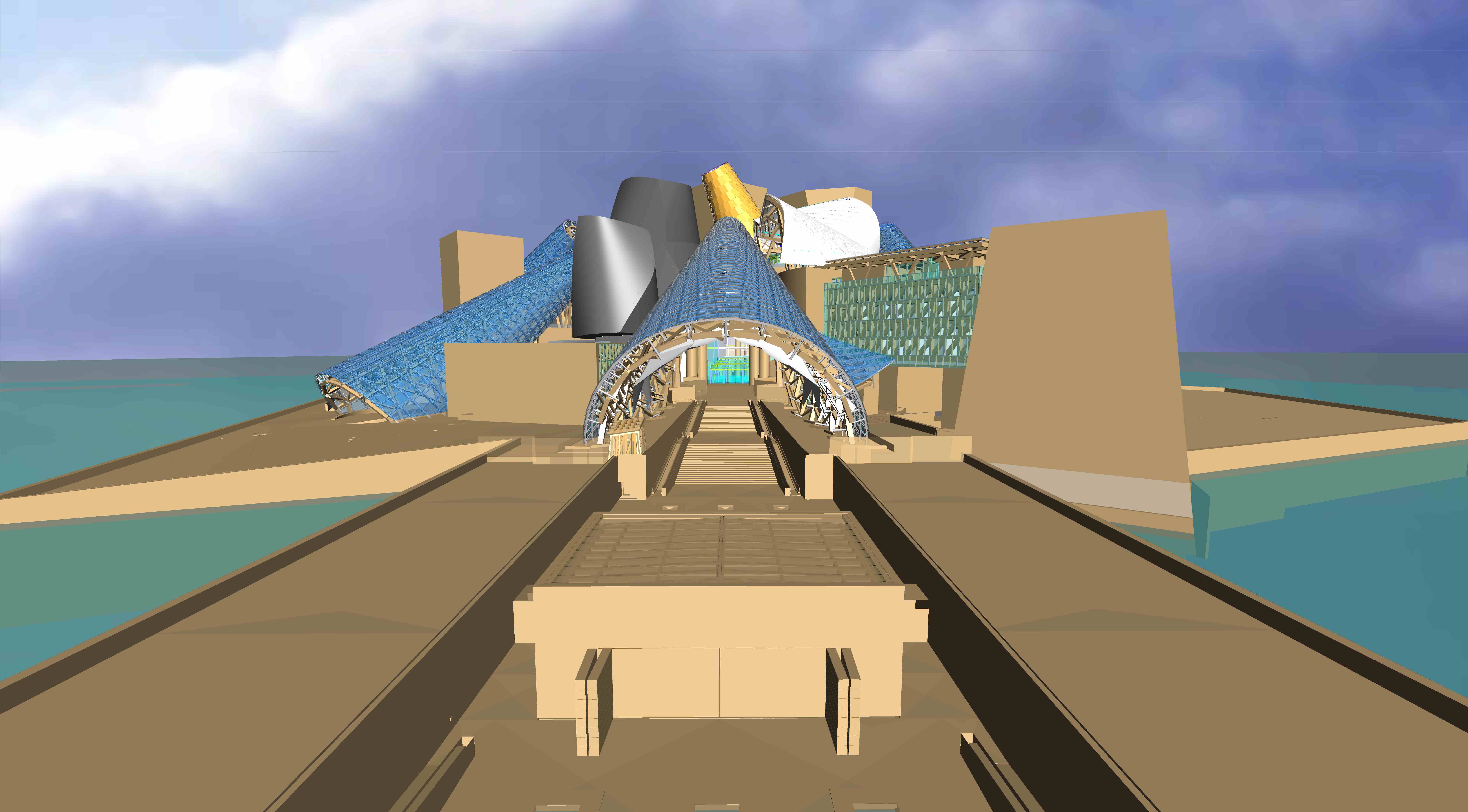
Cultural Context: More Than Just a Museum
Beyond bricks and mortar, the Guggenheim Abu Dhabi aims to be a crucible of cultural fusion, blending local Emirati traditions with a kaleidoscope of global art narratives. The museum is part of a larger cultural district designed to elevate Abu Dhabi’s status as a cosmopolitan arts hub. This ambitious goal is more than real estate; it is a bold cultural proclamation.
Achieving this delicate balance is fraught with challenges. Curatorial decisions must resonate with a diverse audience while respecting the cultural sensitivities of the region. How to weave contemporary international art into the tapestry of Gulf heritage is a question demanding insightful strategy and visionary leadership. Success here could redefine perceptions of the Middle East as a bastion of creativity and dialogue.
The Economic Gamble: Catalyst or Burden?
Investment on this scale is laden with economic ramifications. The Guggenheim Abu Dhabi is touted as a potential powerhouse for job creation, tourism growth, and urban development. The anticipated influx of visitors and artists could energize local businesses and expand Abu Dhabi’s global influence. Cultural tourism, a rising industry worldwide, is the cornerstone of this economic optimism.
However, the flip side involves the risk of overextension and underperformance. Experience has shown that grand cultural institutions sometimes struggle to attract consistent foot traffic beyond initial curiosity. The risk is that the Guggenheim might become a white elephant—a stunning but underutilized landmark. Ensuring financial sustainability requires strategic programming, community engagement, and intelligent marketing. The museum’s fate ultimately hinges on its ability to evolve continuously.
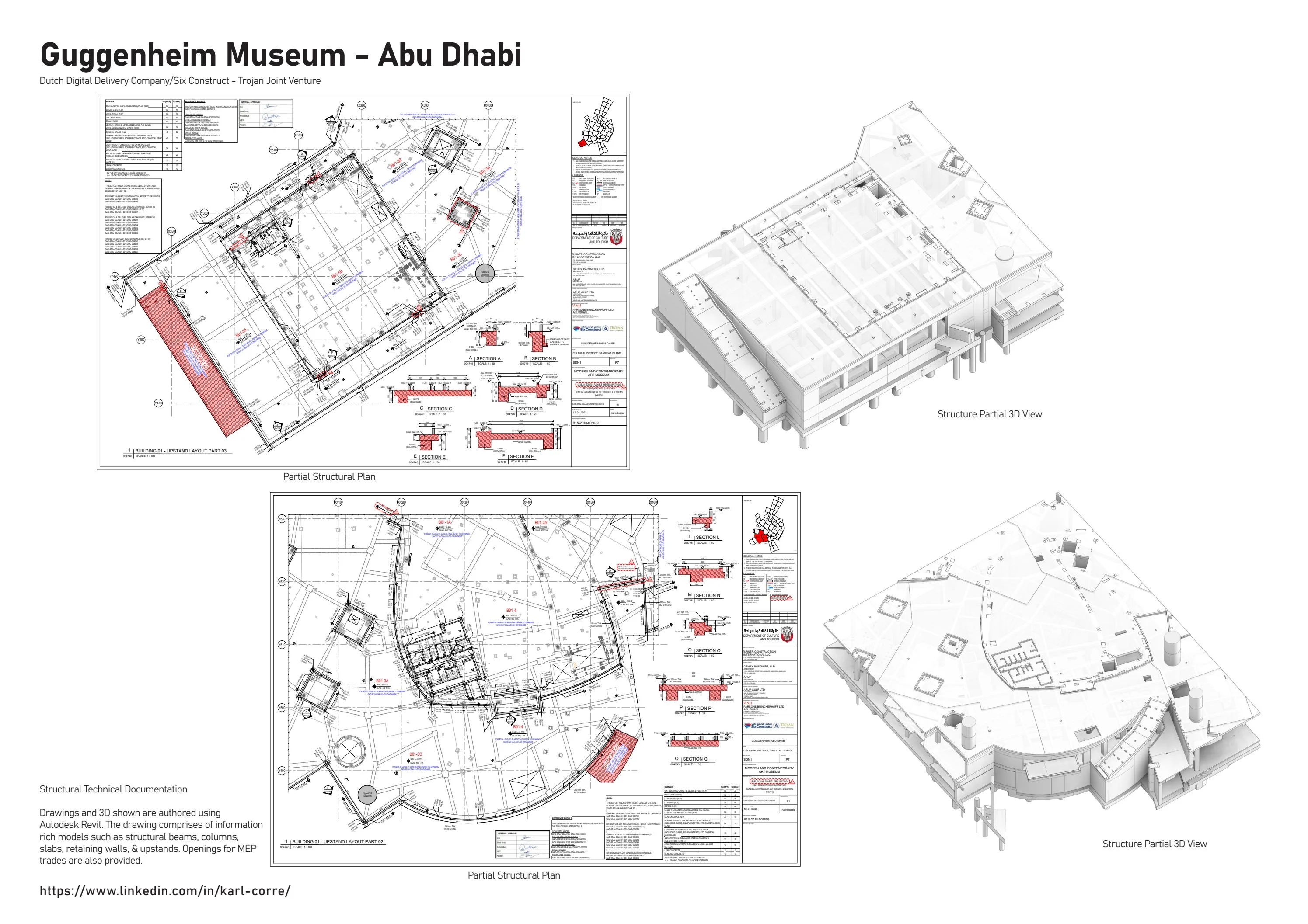
Global Repercussions: Setting a New Benchmark or Cautionary Tale?
The Guggenheim Abu Dhabi’s success or failure will ripple far beyond UAE’s borders, influencing how nations approach large-scale cultural investments. A triumphant project could inspire similar visionary endeavors, fostering a renaissance of museological innovation. It could demonstrate the power of art to bridge cultures and catalyze economic growth.
Conversely, missteps could serve as warnings against overambition and fiscal excess. The complexities involved remind us that cultural development is a multifaceted endeavor requiring patience, precision, and adaptability. In a world hungry for authentic cultural experiences, the Guggenheim Abu Dhabi attempts to be both a bold experiment and a custodian of global heritage.
Conclusion: The Waiting Game for a Cultural Triumph
As construction cranes continue to etch the Guggenheim Abu Dhabi’s silhouette against the desert sky, the question remains provocatively open—will this $1 billion marvel deliver on its prodigious promises? The museum is a glorious gamble at the nexus of architecture, culture, and economics, bearing the hopes of a city eager to transcend its traditional identity.
Success will require more than glossy façades; it demands visionary curation, community resonance, and strategic foresight. If it navigates these challenges deftly, the Guggenheim Abu Dhabi will not only fulfill its promise but also carve a luminous chapter in the story of global art and innovation. Until then, the world watches with bated breath, pondering the fate of this architectural and cultural titan.


Leave a Comment