

In the realm of modern architecture, certain structures transcend their physical bounds to become icons of cultural and artistic identity. The Louvre Abu Dhabi’s breathtaking dome and the Guggenheim Museum’s striking cones are prime exemplars of this phenomenon. These architectural masterpieces captivate observers with their innovative designs and symbolic resonance, weaving narratives of tradition, innovation, and human ingenuity. Their allure is not merely aesthetic but deeply rooted in the intersection of environment, culture, and the visionary minds behind their creation.
The Louvre Abu Dhabi Dome: An Architectural Symphony in Light and Shade
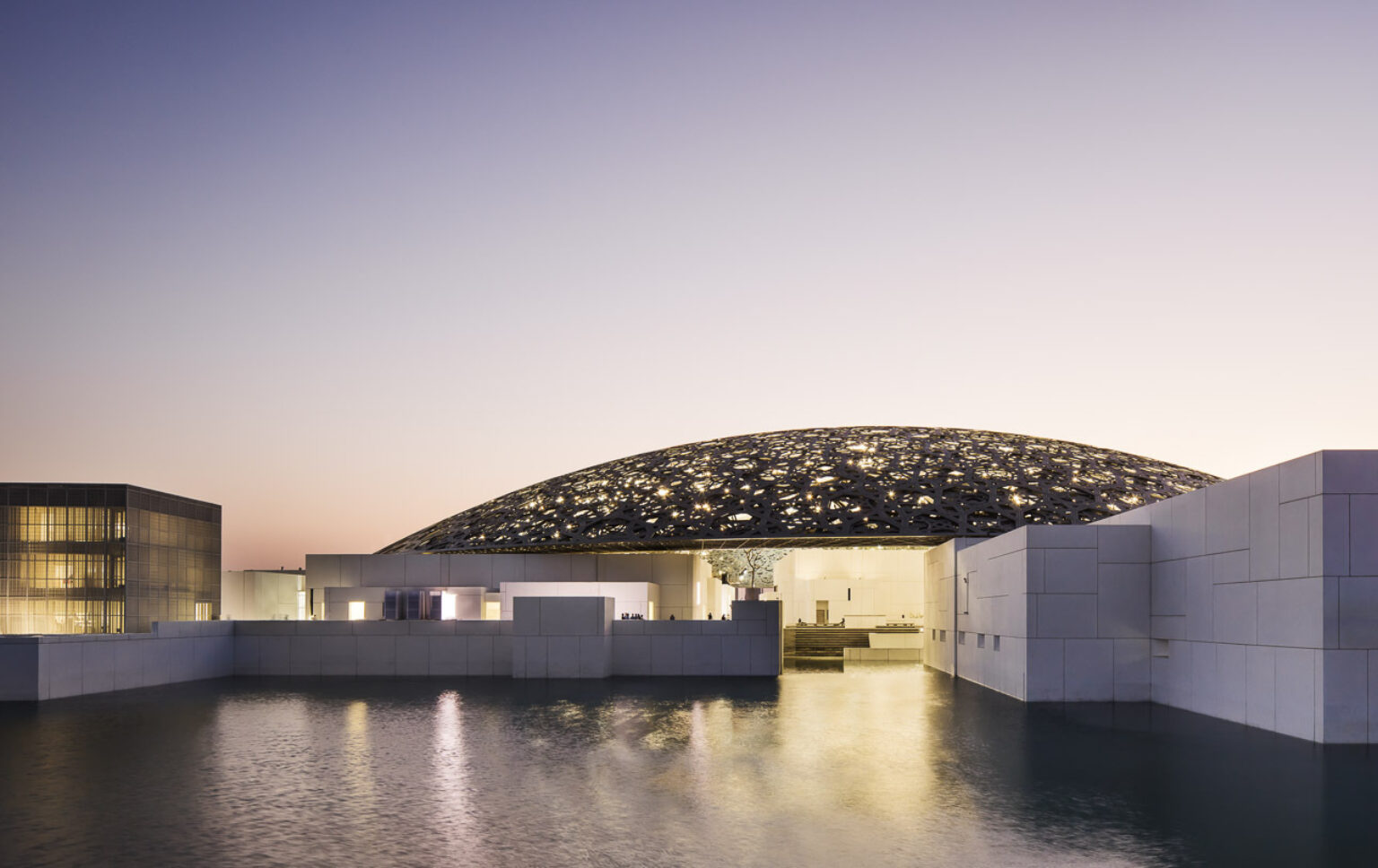
Perched against the shimmering Arabian Gulf, the Louvre Abu Dhabi’s dome is not just a roof—it is an intricate latticework echoing both technology and poetry. Spanning 180 meters in diameter, the dome comprises nearly 8,000 unique metal stars meticulously interwoven to create a geometric arabesque. This design is inspired by the traditional palm fronds that have sheltered generations in the UAE’s desert landscape. As sunlight filters through this complex canopy, a mesmerizing effect known as the “rain of light” emerges, casting patterns reminiscent of dappled sunlight through palm leaves.

This ethereal play of light and shadow transforms the atrium, blurring boundaries between architecture and nature. It invites visitors to pause and immerse themselves in a multisensory experience. Beyond its visual spectacle, the dome represents a dialogue between heritage and futurism. Its layers act as both shield from the harsh desert sun and as a cultural metaphor—a protective veil preserving art and history inside. The dome’s engineering marvel also addresses practical challenges: ventilation and climate control are subtly achieved through its porous structure, an elegant solution marrying form with function.
Engineering Innovation and Cultural Symbolism
What makes the dome truly enchanting is the deeper symbolism embedded within its design. The architect harmonized contemporary construction technology with centuries-old regional motifs. This juxtaposition creates a space that is both timeless and futuristic. The precise geometry of the stars doesn’t just serve aesthetic purposes; it reflects celestial harmony and cosmic order prominent in Arab and Islamic art traditions.
Moreover, this engineering feat was achieved through advanced digital modeling, allowing for the creation of a complex, interlocking web that could be fabricated and assembled with astonishing precision. The dome is a testament to how modern tools can revive and reinterpret traditional craftsmanship for the 21st century. It is not simply a shelter or a canopy; it is a living tribute to the cultural continuum, a profound metaphor for unity amidst diversity.
The Guggenheim Museum Cones: Organic Forms and Sculptural Poetics
Halfway across the world, the Guggenheim Museum sculptures echo an equally compelling tale of architectural storytelling, manifesting in a series of iconic cones. These cone-like structures are born from the collaboration of visionary architects and artists, who envisioned forms that simultaneously symbolize movement, vitality, and the natural world.

The cones are distinguished by their sinuous, organic shapes—seemingly growing from the ground like natural formations rather than constructed facades. This biomorphic design philosophy rejects rigid, traditional geometries, instead opting for fluidity and dynamism. Each cone interacts uniquely with light and shadow, producing shifting patterns that animate the museum’s exterior throughout the day.
The structural element of the cones integrates seamlessly with the museum’s curvilinear interior spaces, guiding visitors fluidly through exhibitions. They serve not only as sculptural landmarks but also as conduits, channeling natural ventilation and sunlight into the galleries. The play between translucency and opacity in their materials further enhances the visitor experience, balancing intimacy with openness.
Fascination Rooted in Harmonious Juxtaposition
What connects these two architectural wonders is their ingenious use of geometry and natural metaphor to evoke a deeper emotional response. Both the dome and the cones articulate a dialogue between human artistry and the organic environment. They challenge our conventional understanding of space and structure, inviting us to consider architecture as an experiential journey rather than mere shelter.
There is a common observation among visitors and critics alike: these structures evoke a sense of awe that transcends their technical brilliance. This fascination stems from their ability to blend innovation with cultural identity. They are not isolated monuments but dynamic interfaces bridging past, present, and future. Their forms resonate on subconscious levels, tapping into archetypal symbols found in nature and human history.
The Power of Atmosphere and Immersion
One cannot overlook the immersive atmosphere these architectural elements create. The Louvre’s dome crafts a serene yet exhilarating environment that encourages quiet reflection and social gathering, its “rain of light” fostering a connection to natural rhythms. The Guggenheim cones, by contrast, invoke motion and life, their sculptural silhouettes alive with transformative power driven by light and visitor interaction.
Together, they embody different facets of human experience: tranquility and dynamism, tradition and innovation, solidity and fluidity. This polarity enriches our engagement, making architecture not only a physical space but a catalyst for emotional and intellectual exploration.
Conclusion: Architectural Narratives That Inspire
The architectural marvels of the Louvre Abu Dhabi dome and the Guggenheim cones stand as bold declarations of the power of design to transform perception and experience. They embody the essence of visionary creativity, fusing cultural history with cutting-edge technology to produce spaces that are at once monumental and intimate.
Our fascination with these structures is more than a superficial appreciation of beauty—it is an acknowledgment of architecture’s role as a storyteller, a keeper of collective memory, and an innovator shaping how we inhabit the world. They remind us that the most profound designs arise when imagination dares to merge with tradition, when form follows not just function but feeling.


Leave a Comment