

There is something undeniably captivating about art that sprouts not only from the imagination but quite literally from the earth itself. When we think of masterpieces, our minds often drift toward oil on canvas or marble sculptures, but a burgeoning movement is drawing our gaze beneath the surface — toward the delicate, intricate networks of soil mycelium and the verdant whispers of moss. This union of biology and creativity transcends traditional artistry, inviting us to explore a realm where life and expression intertwine seamlessly. Why are we so fascinated by these living artworks? Perhaps it speaks to a fundamental yearning to reconnect with the natural world, unearthing new dimensions of beauty hidden within the ecosystems that sustain us.
The Living Veins Beneath Our Feet: Understanding Soil Mycelium
Soil mycelium is nothing short of a subterranean marvel. This vast web of fungal filaments pervades the earth, acting as nature’s neural network. Composed of hyphae, mycelium spreads through soil and organic matter, facilitating nutrient exchange and symbiotic relationships with plant roots. This biological meshwork is often overlooked, yet it is here, beneath the surface, that some artists find their muse.
Mycelium’s tactile and labyrinthine structure offers a fascinating medium — its growth patterns can be coaxed into various shapes and forms, embodying the idea that art can be alive and evolving. These fungal networks possess an organic unpredictability that challenges the artist to collaborate with nature’s rhythms rather than control them fully. The outcome is a living sculpture that breathes, decays, and reforms with time, inviting viewers to witness the ephemeral cycles of life.
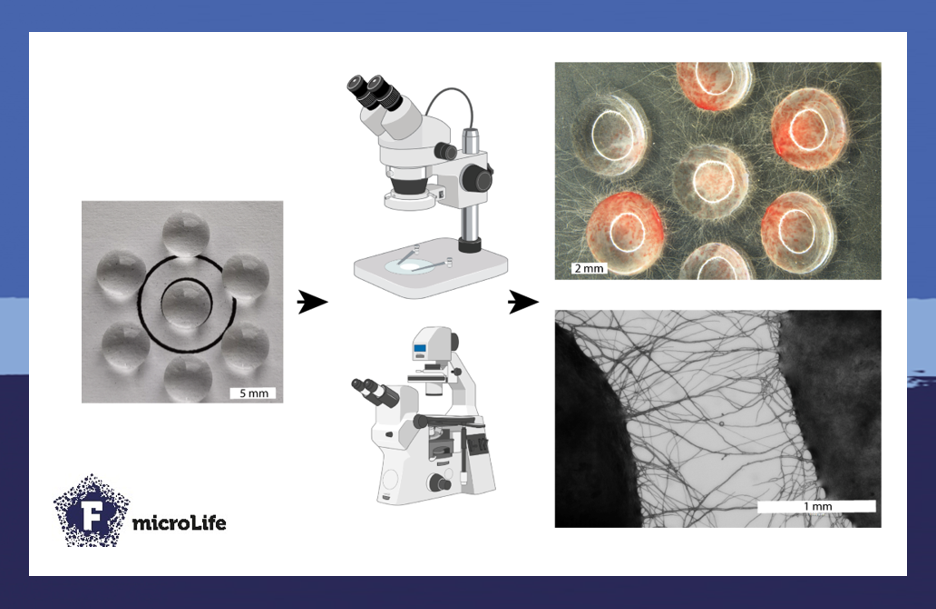
The allure of mycelium art lies not only in its visual intrigue but also in its metaphorical resonance. It encapsulates connectivity and transformation — themes deeply embedded in human experience. By crafting art from mycelium, creators highlight the unseen processes that sustain life, reminding us that beauty often arises from complexity and interdependence.
Moss: Nature’s Living Textile
Moss, with its lush texture and evergreen hue, is another botanical medium gaining momentum in the art world. Traditional uses of moss have always been tied to decoration and landscaping, yet its role as a living canvas has opened expansive creative vistas. Moss art merges the tactile softness of plant life with patterns and forms that coax viewers into reflections on growth, decay, and persistence.
Unlike static materials, moss reacts dynamically to moisture, light, and temperature. This responsiveness imbues moss artworks with a vitality that shifts over days and seasons. The slow, deliberate growth patterns of moss echo a meditative rhythm, setting it apart from the immediacy of conventional art forms.

Moreover, moss’s ability to thrive on various surfaces — stone, wood, concrete — turns architecture and urban spaces into potential galleries for sustainable living art. In a world increasingly dominated by impervious surfaces, moss art is a verdant rebellion, softening harsh textures and reintroducing pockets of nature into human environments.
The Synthesis: Where Mycelium Meets Moss in Artistic Expression
When paired, soil mycelium and moss create a harmonious dialogue between the fungal and plant kingdoms, a synthesis that encapsulates the essence of natural cycles. This fusion in art offers both visual and conceptual richness. The mycelium’s intricate lacework often underpins moss’s dense, velvety carpets, creating contrasts in texture and color that entice the senses.
The interplay between these living entities in artworks can symbolize ecological interdependence. Their growth patterns serve as living testimonies to symbiosis and resilience — concepts deeply relevant in an era challenged by environmental crises. Such art becomes a gentle call to stewardship, reminding observers of the fragile beauty rooted in cooperation and balance.
Techniques and Challenges in Creating Living Art
Crafting art from living soil mycelium and moss is no simple endeavor; it is a process demanding patience, ecological sensitivity, and an openness to unpredictability. Artists must understand the biological needs of these organisms, including light conditions, humidity, and substrate composition. The challenge lies in guiding growth without stifling natural processes.
Techniques range from inoculating sculptural substrates with mycelium spores to cultivating moss mosaics on prepared surfaces. Such methods intertwine scientific knowledge with artistic intuition, resulting in creations that are simultaneously botanical experiment and aesthetic statement.
This approach to art also invites sustainability. Mycelium is biodegradable and can be grown as an alternative to plastics and synthetic materials in design. Moss cultivation, too, offers ecological benefits, such as improving air quality and promoting biodiversity within urban spaces.
Why Does Living Art Captivate Us So Deeply?
At first glance, the fascination with art made from soil mycelium and moss may stem from its sheer novelty. But deeper currents run beneath this attraction. These artworks challenge our perception of permanence and impermanence, inviting us to witness beauty that lives and breathes, evolves and fades.
This dynamic quality heightens our awareness of time: a moss piece today will shift subtly tomorrow; mycelium will weave new patterns as days pass. Their ephemeral nature forces a mindfulness and presence often lost amid the permanence we chase in traditional art forms.
Moreover, these living creations reconnect us with forgotten ecological narratives. They rekindle an intrinsic respect for the natural world’s ingenuity and perspicacity, translating microscopic processes into grander metaphors of life, death, and renewal. In an urban age, this reconnection is not mere nostalgia but a necessity, coaxing a holistic understanding of our place in the living web.
The Future of Art Rooted in Life
Looking forward, the integration of soil mycelium and moss into art promises an exciting frontier. Advances in biology and material sciences are enabling artists to push boundaries, experimenting with hybrid forms that blend living matter with technology. This convergence may redefine what art is and can be — active participants in their environments, contributors to ecosystem health, and vital agents of storytelling rooted in life itself.
Communities and public spaces incorporating such living artworks also foster new dialogues about sustainability, urban greening, and environmental responsibility. The appeal is not only aesthetic but also ethical and ecological, transforming passive spectators into engaged participants in the life of the artwork and the environment it inhabits.
In sum, art made from soil mycelium and moss transcends conventional boundaries, inviting us into a symbiotic world where creativity and ecology merge. It reminds us that the soil beneath our feet holds boundless potential — not just as a foundation for life, but as a canvas for wonder, innovation, and profound connection.


Leave a Comment