

In the shimmering heart of Abu Dhabi, where the desert embraces the sea, a structure rises—a gleaming confluence of art, architecture, and aspiration. The Guggenheim Abu Dhabi is more than just a museum; it is conceived as a grand bridge across chasms of culture, a vessel of dialogue and discovery. Yet, with such lofty intentions emerges a provocative question: will it truly unite, or inadvertently sow seeds of division? This question unfolds like a compelling narrative, where the museum itself becomes a metaphorical crossroads in the story of global interaction.
The Vision: A Cultural Prism Refracting Global Narratives
The Guggenheim Abu Dhabi stands as a prism, designed to refract and amplify the diverse colors of contemporary art from around the world. Conceived by the iconic architect Frank Gehry, the museum’s undulating titanium ribbons shimmer in the desert sun like the sails of a traditional dhow—a metaphor of unity between heritage and futurism. More than just a collection of galleries, it aims to be a repository of intangible cultural exchanges, a dynamic platform where East meets West, tradition dialogues with modernity, and global perspectives coalesce.
This remarkable edifice does not merely reflect light; it reflects the ambition to weave disparate cultural threads into a cohesive tapestry. The Guggenheim Abu Dhabi is envisioned as a beacon for artists, scholars, and visitors seeking to explore the intersections of identity, history, and innovation. Its vast exhibition spaces promise to showcase contemporary art from the Middle East, North Africa, South Asia, and beyond—regions often underrepresented in Western art institutions. If successful, it could redefine what it means to be a global museum in the 21st century.
A Tapestry of Contention: Complexities Beneath the Surface
Yet, beneath the museum’s polished exterior lies a labyrinth of socio-political complexities. The project has sparked intense debate about cultural representation, inclusivity, and the potential pitfalls of cultural imperialism. Critics question whether the Guggenheim Abu Dhabi will act as a genuine platform for marginalized voices or simply reiterate Western-centric narratives under the guise of globalization.
The metaphor here shifts—no longer a prism, but a tightrope stretched precariously over the chasm of cultural hegemony. Will the institution balance the precarious weight of diverse perspectives, or will it tilt towards favoring established art world paradigms? The answer depends on curatorial choices, governance models, and the degree of engagement with local communities and regional artists.
Moreover, the museum’s location itself is a statement layered in contradiction. Abu Dhabi’s rapid modernization and immense wealth create both opportunities and paradoxes. As the city positions itself as a cultural capital, questions arise about who truly benefits from such mega-projects. Cultural bridges must be carefully engineered to avoid becoming luxury commodities inaccessible to the very populations whose histories they purport to celebrate.
The Architecture: A Symphony of Form and Function
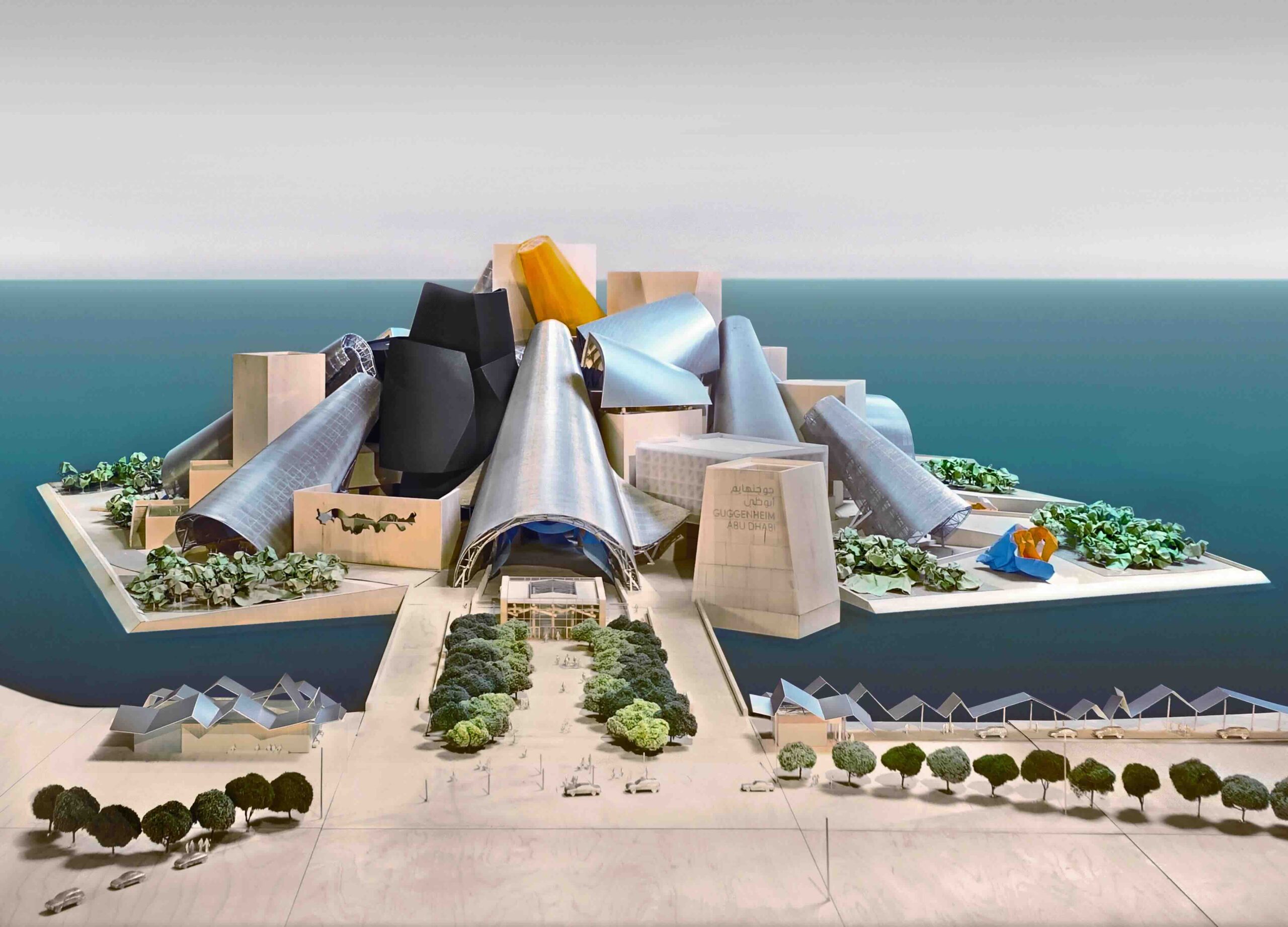
Frank Gehry’s design for the Guggenheim Abu Dhabi is a masterclass in architectural symbolism. His signature fragmented forms evoke motion and transformation, capturing the essence of a city perpetually in flux. The structure’s metallic ribbons ripple like desert dunes caught in the breeze—fluid yet grounded.
This architectural marvel is not merely an aesthetic spectacle; it is imbued with functional intents. The interplay of light and shadow is meticulously orchestrated to enhance the viewing experience, while integrating sustainable technologies tailored to the harsh desert climate. The design seeks to strike a harmonious chord between innovation and environmental responsibility—another metaphor for the museum’s overarching mission: harmonious coexistence.
Such audacious architecture amplifies the museum’s unique appeal. It stands as a physical manifestation of ingenuity and human creativity, a lighthouse beckoning global citizens to partake in the shared voyage of cultural exchange. However, its grandeur also risks alienating or overshadowing the subtle narratives of local artistic traditions, posing a challenge to inclusivity within this monumental setting.

Bridging the Divide: Programs and Partnerships as Cultural Connectors
The Guggenheim Abu Dhabi’s potential to bridge cultures hinges on its programming and partnerships. Educational initiatives, artist residencies, and collaborative exhibitions can catalyze intercultural dialogue, transforming passive visitors into active participants in a conversation that spans continents.
By prioritizing local and regional artists while fostering international collaborations, the museum could become an accelerator for emerging voices and ideas. These programs function as bridges—not fragile glass ones, but sturdy, wooden spans that facilitate travelers crossing troubled waters safely. They also invite critical self-reflection about the narratives being told, allowing the museum to evolve as a living organism responsive to cultural shifts and challenges.
Furthermore, partnerships with global institutions open avenues to share resources and knowledge, ensuring that the Guggenheim Abu Dhabi contributes meaningfully to the broader ecosystem of contemporary art and cultural discourse. These relationships can mitigate accusations of cultural appropriation or dominance by fostering equitable exchanges grounded in respect and mutual learning.
The Future Unfolded: Catalyst for Cohesion or Polarization?
The unfolding story of the Guggenheim Abu Dhabi is far from finished. As its walls rise and exhibitions take shape, the museum stands at a crossroads between becoming a catalyst for cultural cohesion or a symbol of division. The stakes are high—in art and diplomacy alike—because cultural institutions carry the weight of shaping collective memory and societal values.
Its success or failure will ultimately depend on whether it embraces complexity, ambiguity, and multiplicity without succumbing to facile narratives. If it can synthesize its architectural brilliance, inclusive programming, and community engagement, the Guggenheim Abu Dhabi could indeed transcend its physical structure to become a thriving cultural ecosystem. If not, it may risk becoming a gilded relic—admired but distant, a monument to missed opportunities.
The museum, thus, is a metaphorical compass, pointing towards possible futures. It challenges us to consider how art spaces can be more than repositories of beauty—how they can actively engender understanding, empathy, and shared humanity amid growing global fragmentation.
In the end, the Guggenheim Abu Dhabi is a question rather than an answer—a luminous invitation to ponder what it means to build bridges across cultural divides in an increasingly complex world.


Leave a Comment