

In the ever-shifting panorama of human society, the political landscape often emerges as a realm that feels less like a concrete reality and more like a phantasmagorical dreamscape. This juxtaposition, where palpable governance entwines with surreal narratives, invites us to ponder why the spectacle of politics captivates us so thoroughly. Beneath the surface of partisan bickering and policy debates lies a mesmerizing theater, rich with archetypes, dramas, and mythologies, beckoning our collective imagination. The political landscape, as a dreamscape, reveals much about our hopes, fears, and the complex interplay between power and perception.
The Vast Canvas of Political Mythos
Consider politics not merely as a mechanism of order but as an expansive stage upon which mythic battles play out. Leaders transform into titans and tricksters; ideologies become almost sacred scripts from which communities derive meaning. When viewed through this lens, the political arena is less about raw pragmatism and more a modern-day agora of archetypes, a repository of symbolic dreams that shape identity and aspiration. The allure lies in witnessing these dramas unfold—how power, justice, and betrayal shape a narrative as vivid as any ancient saga.
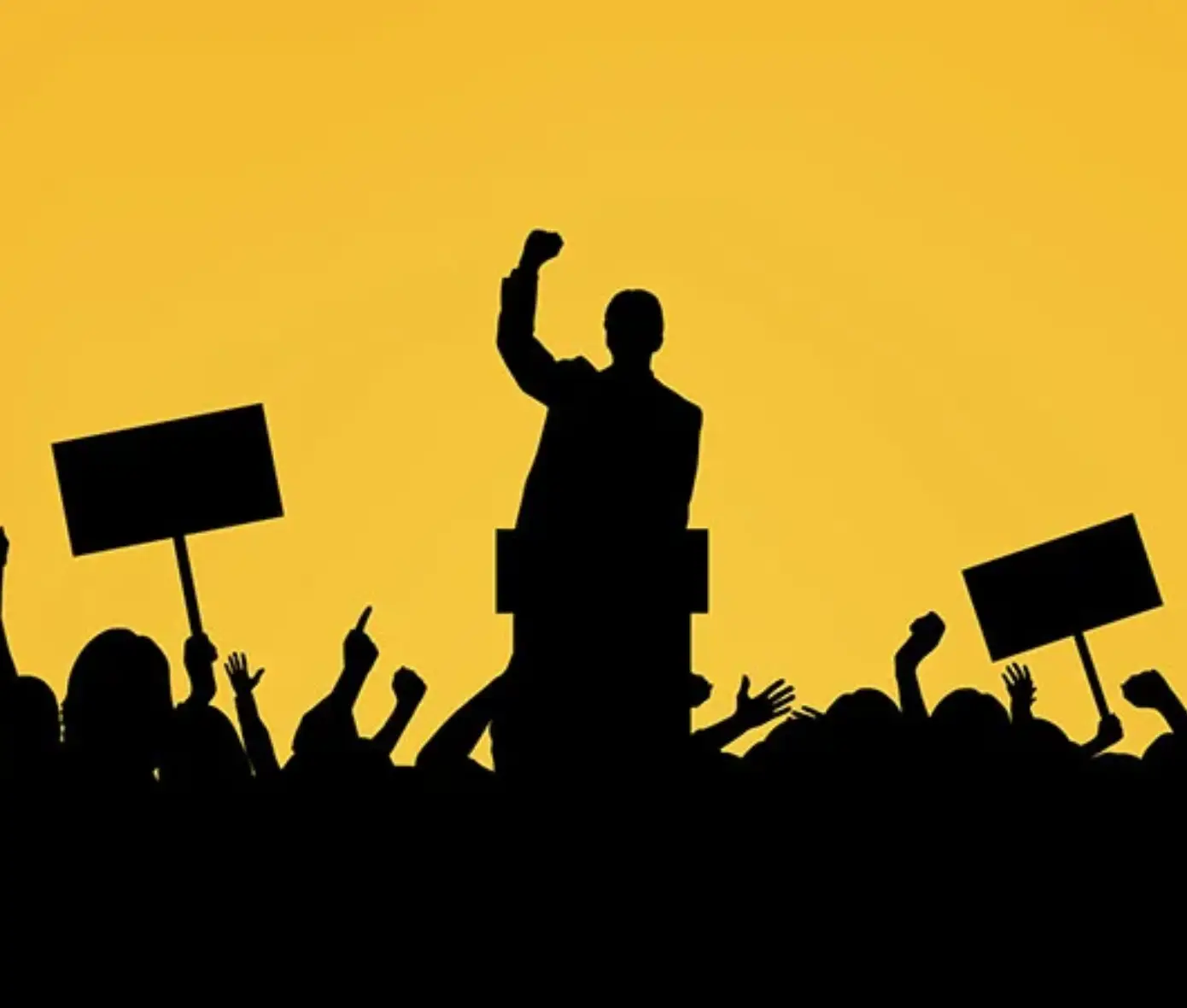
The fascination is innate because these narratives mirror our internal conflicts and collective dilemmas. When a political scandal erupts or an election reaches a dramatic crescendo, it resonates like a collective catharsis. The political dreamscape thus serves as a mirror, reflecting a deeper human odyssey—a quest for meaning, order, and transcendence amid chaos.
The Fluidity of Political Reality and Perception
Unlike more tangible domains, the political landscape is uniquely mutable, akin to a shifting mirage that dances at the intersection of fact and fiction. Perspectives twist endlessly, refracted through media, rhetoric, and ideology. This fluidity feeds the dreamlike quality of politics, making it a domain rife with ambiguity and paradox. The same event may be interpreted as a heroic triumph by one faction and a catastrophic downfall by another, underscoring the mercurial nature of political reality.

The constant reimagining fuels our engagement. We become dream-weavers, crafting narratives that align with our worldviews, yet also spectators caught in a dazzling spectacle of shifting allegiances and ideologies. Here, politics transcends the mundane; it morphs into a kaleidoscopic interplay where perception molds reality and vice versa, reminding us that power is as much about storytelling as it is about governance.
The Emotional Magnetism of Political Dramas
There is an undeniable emotional magnetic pull inherent in political narratives. Emotions—hope, fear, outrage, and exhilaration—surge forth as if politics were a shared dream of a restless society. This emotional intensity often surpasses that found in other societal arenas precisely because the stakes feel existential. We invest political dramas with personal and collective significance because they articulate the future of our shared world.
This emotional engagement also explains why political discourse can veer into the realm of the surreal. Dramatic speeches echo sermonic invocations; rallies resemble communal rites; and political defeat can resemble profound tragedy. The dreamscape analogy highlights this intensity—it allows us to reconcile that which rational analysis alone struggles to contain: the deep human yearning that politics awakens.
Symbolism and Imagery: Politics as an Artistic Medium
The political landscape’s dreamlike quality is also evident in its abundant symbolism and imagery. Political emblems, colors, and slogans function not only as identifiers but as visual poetry, loaded with connotations that transcend their immediate utility. Flags flutter not simply as geographic markers but as talismans of belonging and fervor. Campaign posters and political art resonate with the same symbolic power that art wields in the dream realm—stirring subconscious depths and evoking primal responses.
In this way, political imagery becomes a language of dreams: allegorical, rich, and often enigmatic. It chronicles the ethos of eras and encodes collective memory, turning public spaces into a visual narrative of evolving dreams and aspirations. This symbiosis between art and politics encourages an understanding of the political realm as not solely a mechanical construct but a canvas brimming with allegorical depth.

The Dreamscape as a Site of Hope and Anxiety
The political dreamscape is ultimately a place where hope and anxiety coexist in an uneasy balance. It is the repository of our utopian yearnings and dystopian fears. On one hand, it promises transformation, renewal, and the possibility of a just order. On the other, it confronts us with the fragility of freedom, the specter of conflict, and the risk of disillusionment.
This duality is vital to understanding the enduring fascination with politics. The dreamscape encompasses our deepest dilemmas regarding governance and community: How do we reconcile individual autonomy with collective responsibility? How do we maintain ethical integrity amid power struggles? The political landscape, as a dreamscape, provides a theatrical space in which these questions are dramatized, explored, and sometimes left unresolved—mirroring the complexities of the waking world.
Conclusion: Embracing the Dream to Navigate Reality
Ultimately, seeing the political landscape as a dreamscape enriches our appreciation for its multifaceted nature. It reminds us that politics is not just a dry game of policy and procedure but a vivid tapestry woven from human imagination, emotion, and myth. This perspective invites a more nuanced engagement—one that simultaneously acknowledges the spectacle and seeks to pierce through its illusions to the deeper truths beneath.
By embracing the political dreamscape, we come to accept that governance is at once a pragmatic endeavor and a poetic quest. It is a domain where the boundaries of reality blur, and where our most profound collective dreams—of justice, identity, and community—are continually being fabricated, contested, and transformed. To engage with politics is to step into this remarkable dreamscape, with all its wonder, paradox, and promise.


Leave a Comment