

The Gulf’s art scene is undergoing a quiet revolution, one that doesn’t just hang paintings on walls but reimagines the very air we breathe inside galleries. Biophilia—our innate, almost primal connection to nature—has become the Gulf’s newest curatorial muse, infiltrating exhibition spaces with living walls, cascading water features, and immersive light installations that blur the line between art and environment. This isn’t just aesthetic whimsy; it’s a calculated embrace of a sensory experience that resonates deeply in a region where urban density and arid landscapes often feel at odds with human well-being. Gulf galleries are no longer passive spectators to this trend; they’re leading the charge, weaving biophilic design into their DNA to create spaces that nourish the soul as much as they stimulate the mind. From the dazzling vertical gardens of Dubai’s newest cultural hubs to the serene, water-inspired installations in Doha’s waterfront galleries, the message is clear: art here doesn’t just hang—it breathes.
The Rise of the Living Canvas: How Biophilia Transforms Gallery Walls
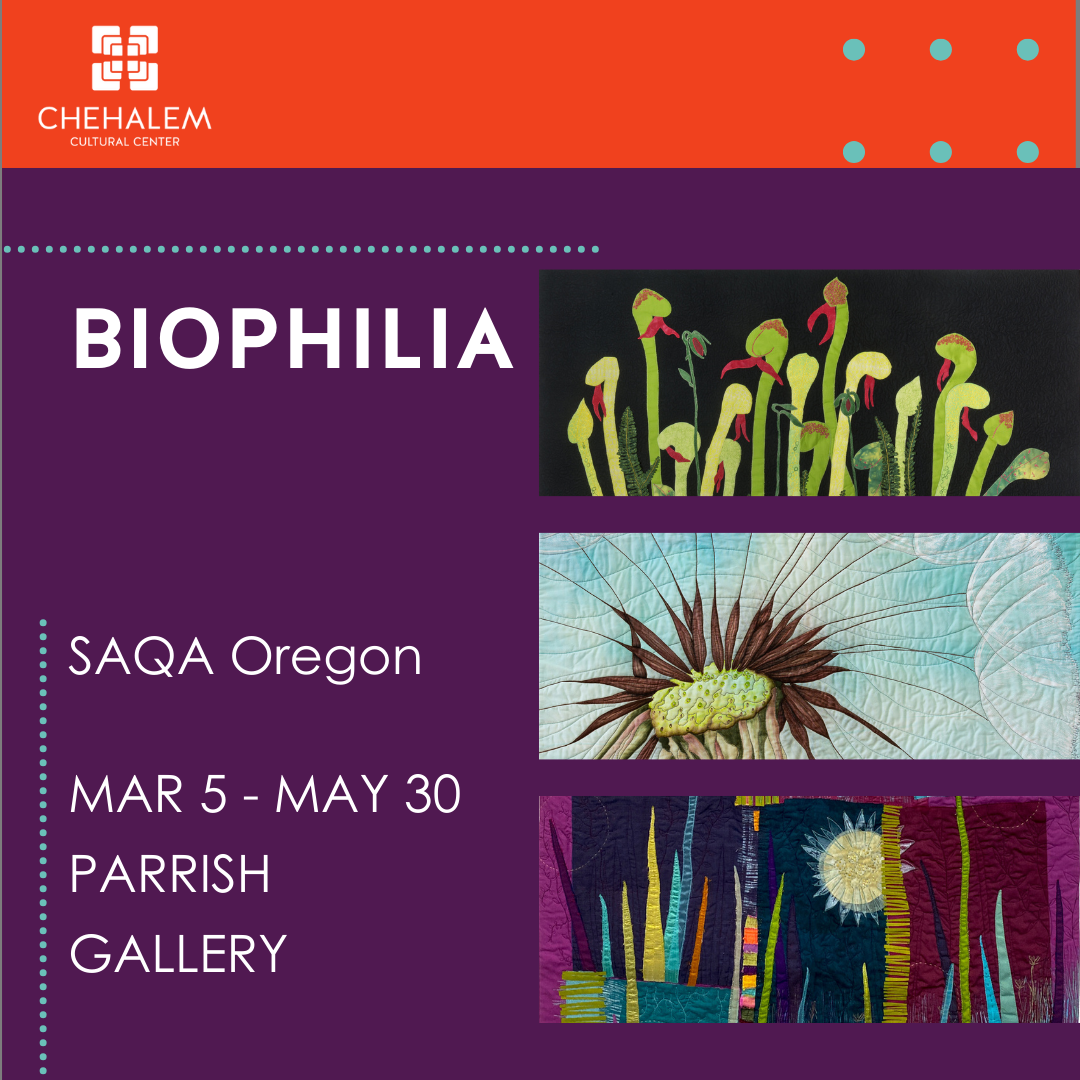
Gone are the days when a gallery’s only living element was the occasional potted plant perched precariously in a corner. Today, the walls themselves are alive—literally. Gulf galleries are embracing living art, where moss, ferns, and air-purifying plants are meticulously arranged into murals that evolve with time. These aren’t mere decorations; they’re dynamic ecosystems that shift with the seasons, responding to humidity and light in ways that challenge our perception of permanence in art. The Chehalem Cultural Center’s biophilic exhibitions, for instance, showcase how these installations can become interactive, with sensors triggering subtle changes in the foliage based on visitor presence, creating a dialogue between human and plant.
But the innovation doesn’t stop at static greenery. Some galleries are experimenting with hydroponic art, where water-based systems sustain plant life without soil, allowing for even more creative configurations. Imagine walking into a space where the walls pulse with the gentle rhythm of a self-sustaining ecosystem, where the scent of damp earth mingles with the metallic tang of modern art. This is the new frontier of gallery design—a fusion of technology and nature that feels both futuristic and deeply familiar, as if the space itself is whispering secrets of a world we’ve long forgotten.
Water as a Medium: The Gulf’s Obsession with Fluid Aesthetics
The Gulf’s relationship with water is complex—both a lifeline and a symbol of scarcity. It’s no surprise, then, that galleries are turning to water as a medium to evoke emotion and contemplation. From the hypnotic ripples of indoor fountains to the dramatic cascades of suspended waterfalls, these installations do more than please the eye; they regulate the gallery’s microclimate, cooling the air and reducing stress levels among visitors. The Ballito Lifestyle Centre’s June 2025 exhibition, for example, features a biophilic gallery where water isn’t just a visual element but a sensory experience, its sound masking the hum of the city outside and creating a sanctuary of tranquility.
Water in these spaces isn’t static; it’s kinetic, moving in choreographed patterns that sync with the gallery’s lighting or the rhythm of foot traffic. Some installations even incorporate bioluminescent algae, where the water glows faintly in the dark, transforming the gallery into a celestial dreamscape. This isn’t just art—it’s an environment that engages every sense, from the cool mist on your skin to the rhythmic pulse of the water’s movement. In a region where water is both precious and powerful, these galleries are tapping into a primal connection, reminding visitors of the fluidity of life itself.

Light, Shadow, and the Illusion of the Outdoors: Crafting Indoor Ecosystems
Natural light is the Gulf’s most coveted resource, and galleries are harnessing it with a reverence usually reserved for sacred texts. Skylights, diffused through prismatic panels, cast kaleidoscopic patterns across gallery floors, mimicking the dappled shade of a forest canopy. But biophilic design in the Gulf goes further, using dynamic lighting systems that mimic the sun’s trajectory, subtly shifting hues from dawn’s blush to twilight’s indigo. This isn’t just about aesthetics; it’s about regulating circadian rhythms, reducing eye strain, and creating a space that feels as alive as the world outside.
Shadows, too, play a starring role. In some galleries, architects are using perforated facades—walls with intricate cutouts that cast ever-changing shadows as the sun moves—turning the gallery into a living sundial. These shadows aren’t mere absences of light; they’re ephemeral artworks, shifting with the hours and inviting visitors to pause and observe. The interplay of light and shadow isn’t just visual; it’s emotional, evoking the quiet drama of a desert sunrise or the dappled mystery of a woodland glade.
Interactive Biophilia: When Art Responds to You
The most compelling biophilic galleries don’t just surround you—they engage you. Interactive installations are becoming a hallmark of Gulf exhibitions, where visitors aren’t just observers but participants in a living ecosystem. Pressure-sensitive floors, motion-activated projections, and even scent diffusers that release earthy aromas when triggered by movement are transforming passive viewing into an immersive experience. One gallery in Doha, for instance, features a breath-responsive installation, where the depth of a visitor’s inhalation alters the flow of water in a nearby feature, creating ripples that echo their emotional state.
These interactions aren’t gimmicks; they’re deliberate attempts to forge a deeper connection between art and audience. By making the environment responsive, galleries are breaking down the fourth wall, inviting visitors to see themselves as part of the artwork. It’s a radical departure from traditional exhibition models, where the viewer is a silent witness. Here, the viewer becomes a co-creator, their presence shaping the space in real time. This shift reflects a broader cultural movement in the Gulf, where art is no longer something to be admired from afar but something to be experienced, felt, and even altered by those who engage with it.

The Science Behind the Serenity: Why Biophilia Works in the Gulf
Biophilia isn’t just a design trend—it’s a psychological imperative, especially in the Gulf, where rapid urbanization has created environments that often feel alien to our evolutionary wiring. Studies have shown that exposure to natural elements, even in artificial settings, can reduce stress, enhance creativity, and improve cognitive function. In a region where heat and humidity can make outdoor spaces inhospitable for much of the year, galleries are stepping in as oases of calm, offering respite from the sensory overload of city life.
But the benefits aren’t just psychological. Biophilic design can also improve air quality, regulate temperature, and even boost immune function by exposing visitors to beneficial microbes in plant life. In a place like Dubai or Doha, where air conditioning is a necessity, these galleries are quietly revolutionizing indoor environmental quality, proving that luxury and sustainability aren’t mutually exclusive. The Gulf’s embrace of biophilia is a testament to its forward-thinking approach to urban living, where art, wellness, and architecture converge to create spaces that nourish both body and soul.
Beyond the Gallery: Biophilia in the Gulf’s Cultural Landscape
The influence of biophilic design isn’t confined to gallery walls. It’s seeping into the Gulf’s broader cultural ecosystem, from hotels that double as botanical gardens to corporate offices where employees work beneath living ceilings. Museums are incorporating biophilic principles into their permanent collections, while public art installations now often feature interactive water features or vertical gardens. Even the region’s famed souks are getting a biophilic makeover, with shaded courtyards and water channels designed to evoke the tranquility of an oasis.
This isn’t just about aesthetics; it’s about redefining the Gulf’s identity. For decades, the region has been associated with opulence and excess, but the shift toward biophilic design signals a new chapter—one where luxury is measured not just in gold and marble but in the quality of the air you breathe and the peace you feel. It’s a quiet revolution, but one that’s gathering momentum, proving that the Gulf’s future isn’t just built on steel and glass but on the timeless allure of nature.
The galleries leading this charge aren’t just creating art; they’re crafting experiences that linger long after the visit ends. They’re proving that in a world of digital overload, the most powerful art is the kind that reconnects us—to ourselves, to each other, and to the natural world that shaped us. The Gulf’s biophilic galleries are more than spaces to see art; they’re portals to a more mindful, more alive way of being. And as the region continues to evolve, one thing is clear: the future of art isn’t just hanging on the wall—it’s breathing all around us.


Leave a Comment