

In the heart of the Arabian Peninsula, where the desert whispers tales of resilience and the skyline stretches toward the heavens, a quiet revolution is unfolding. The Gulf’s biophilic architecture isn’t just redefining skyscrapers and urban landscapes—it’s rewriting the narrative of human coexistence with nature. This isn’t merely about green roofs or vertical gardens; it’s a holistic embrace of ecological harmony, where every beam, window, and corridor tells a story of sustainability and serenity. As the sun casts its golden glow over these structures, they stand not as mere buildings, but as living ecosystems, breathing life into the arid expanse. The Gulf, long synonymous with opulence and modernity, is now pioneering a new standard—one where architecture doesn’t just shelter but nurtures, where concrete and steel don’t just stand tall but thrive in symbiosis with the natural world.
Imagine stepping into a lobby where the air hums with the scent of jasmine, where sunlight filters through a canopy of artificial branches, casting dappled shadows that dance across marble floors. This is the promise of biophilic design in the Gulf—a fusion of innovation and instinct, where every detail is meticulously crafted to evoke the tranquility of an oasis. It’s a bold departure from the sterile, glass-and-steel monoliths of the past, replacing them with spaces that pulse with vitality. The Gulf’s architects are no longer content with mere functionality; they’re sculpting environments that heal, inspire, and reconnect. This is where the future of urban living is being written, one biophilic masterpiece at a time.
The Desert’s Embrace: Why Biophilic Design Resonates in the Gulf
The Gulf’s landscape is a paradox—a harsh, sun-scorched terrain that has nurtured civilizations through ingenuity and adaptation. Biophilic architecture taps into this deep-rooted connection, transforming the challenge of arid climates into an opportunity for innovation. Unlike temperate regions where greenery is abundant, the Gulf demands a more deliberate approach. Here, biophilic design isn’t a luxury; it’s a necessity, a way to counteract the psychological and physical toll of urbanization in a place where nature is both revered and scarce.
Consider the psychological impact. Studies show that exposure to natural elements—even simulated ones—reduces stress, enhances creativity, and fosters well-being. In a region where temperatures soar and humidity can feel oppressive, biophilic spaces offer a sanctuary. The Gulf’s architects are leveraging this by integrating water features that mimic the soothing sound of a wadi, or using materials that echo the earthy tones of the desert. It’s a subtle yet profound shift: architecture that doesn’t just exist in the landscape but becomes an extension of it.
Moreover, the Gulf’s rapid urbanization has often come at the cost of its natural heritage. Biophilic design is a reclamation of that heritage, a way to weave the essence of the desert into the very fabric of modern life. From the undulating forms of sand dunes to the intricate patterns of traditional Islamic art, these structures are a love letter to the region’s identity. They prove that progress and preservation aren’t mutually exclusive—that a city can rise from the sands without suffocating the soul of the land.

Skyscrapers That Breathe: The Rise of Vertical Oases
The Gulf is home to some of the world’s most iconic skyscrapers, but the next generation of towers is redefining what it means to reach for the sky. These aren’t just steel-and-glass giants; they’re vertical ecosystems, designed to thrive in the harshest of climates while offering respite to their occupants. Take, for instance, the concept of “breathing facades”—exterior walls that double as living gardens, where plants purify the air and regulate temperature. In cities like Dubai and Doha, where the mercury can climb past 50°C, these facades act as natural air conditioners, reducing energy consumption and creating microclimates of cool comfort.
The integration of water is another game-changer. Reflecting pools, cascading waterfalls, and even indoor streams are becoming staples in Gulf biophilic architecture. These elements do more than beautify; they cool the air through evaporation, muffle urban noise, and create a sensory experience that grounds occupants in the present. The Burj Khalifa’s observation deck, for example, isn’t just a vantage point—it’s a sanctuary where visitors can gaze out over a cityscape softened by greenery, a stark contrast to the concrete jungle below.
But the innovation doesn’t stop at aesthetics. Structural designs are borrowing from nature’s blueprints. Biomimicry, the practice of emulating natural forms and processes, is evident in the twisting, vine-like supports of the Dubai Frame or the honeycomb-inspired lattice of the Qatar National Convention Centre. These designs aren’t just visually striking; they’re inherently efficient, using less material while maximizing strength and stability. The Gulf’s skyscrapers are no longer just symbols of human ambition—they’re testaments to the ingenuity of co-creating with the natural world.
Oases in the Urban Jungle: Public Spaces That Heal
Beyond the towers, the Gulf’s biophilic revolution is transforming public spaces into communal oases. Parks, plazas, and promenades are being reimagined as lush, interactive environments where nature and community intersect. The Dubai Creek Harbour’s “The Park” is a prime example—a 100-acre green lung that blends native flora with modern amenities, offering shaded walkways, interactive fountains, and spaces for social gatherings. Here, the desert’s harshness is softened by the presence of water and greenery, creating a year-round retreat for residents and visitors alike.
Even the humble street is getting a biophilic makeover. In Riyadh, the King Abdulaziz Centre for World Culture, or Ithra, features a series of terraced gardens that cascade down its exterior, providing shade and cooling the surrounding air. The centre’s design incorporates traditional Najdi architecture, with wind towers that channel breezes and courtyards that foster social interaction. It’s a masterclass in how public spaces can be both functional and soul-stirring, proving that biophilic design isn’t reserved for the elite—it’s for everyone.
The impact on mental health is profound. In a region where the pace of life can feel relentless, these spaces offer a respite, a place to reconnect with nature and with one another. They’re not just green patches on a map; they’re vital organs of the city, pumping life into the urban body. As more Gulf cities adopt these principles, public spaces are becoming catalysts for community building, where the act of gathering is as nourishing as the air itself.
Materials and Methods: The Science Behind the Serenity
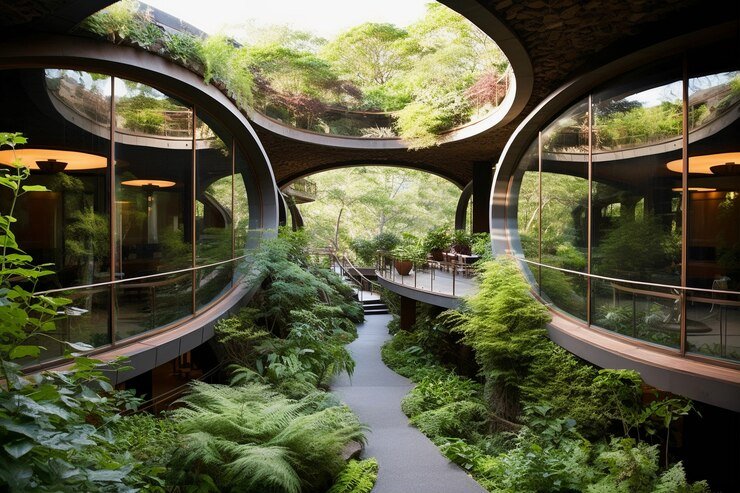
The magic of biophilic architecture lies not just in what you see, but in what you don’t—beneath the surface, a symphony of materials and methods is at work. The Gulf’s architects are turning to sustainable, locally sourced materials that echo the region’s heritage while meeting modern demands. Rammed earth, a technique used for millennia in the Arabian Peninsula, is making a comeback in walls that regulate temperature naturally. Meanwhile, recycled materials like reclaimed wood and repurposed steel are being woven into designs, reducing waste and carbon footprints.
Energy efficiency is another cornerstone. Passive cooling techniques, such as wind catchers and shaded courtyards, are being integrated into designs to minimize reliance on air conditioning. In Abu Dhabi, the Masdar City project is a living laboratory for these principles, with buildings oriented to maximize shade and ventilation, and solar panels that double as shading devices. The result? Structures that consume less energy while maintaining comfort—a critical advantage in a region where electricity demand peaks alongside temperatures.
Water conservation is equally pivotal. The Gulf’s biophilic designs often incorporate greywater recycling systems, where water from sinks and showers is filtered and reused for irrigation. Rainwater harvesting, though less common in arid climates, is also being explored, with rooftop gardens serving as catchment areas. These systems aren’t just practical; they’re a statement—a refusal to treat water as an infinite resource. Instead, they treat it as the precious commodity it is, ensuring that every drop is valued and reused.
The Cultural Shift: From Luxury to Necessity
Perhaps the most remarkable aspect of the Gulf’s biophilic movement is its cultural resonance. What began as a niche trend among avant-garde architects has evolved into a mainstream movement, embraced by governments, developers, and the public alike. The shift from biophilic design being seen as a luxury to a necessity speaks volumes about the region’s evolving priorities. It reflects a growing awareness that sustainability isn’t just about reducing carbon footprints—it’s about enhancing quality of life.
This cultural shift is evident in policy changes as well. The UAE’s Vision 2021 and Saudi Arabia’s Vision 2030 both emphasize sustainability and livability, with biophilic design playing a starring role. Developers are incentivized to incorporate green spaces and energy-efficient systems, while architects are celebrated for their innovative approaches. The result is a virtuous cycle: as more biophilic projects are completed, they set new benchmarks, inspiring even greater ambition in future developments.
Yet, the movement isn’t without its challenges. The initial costs of biophilic design can be higher than traditional methods, and sourcing sustainable materials in the region isn’t always straightforward. But as technology advances and economies of scale kick in, these barriers are gradually eroding. The Gulf is proving that sustainability doesn’t have to come at the expense of progress—instead, it can be the driving force behind it.
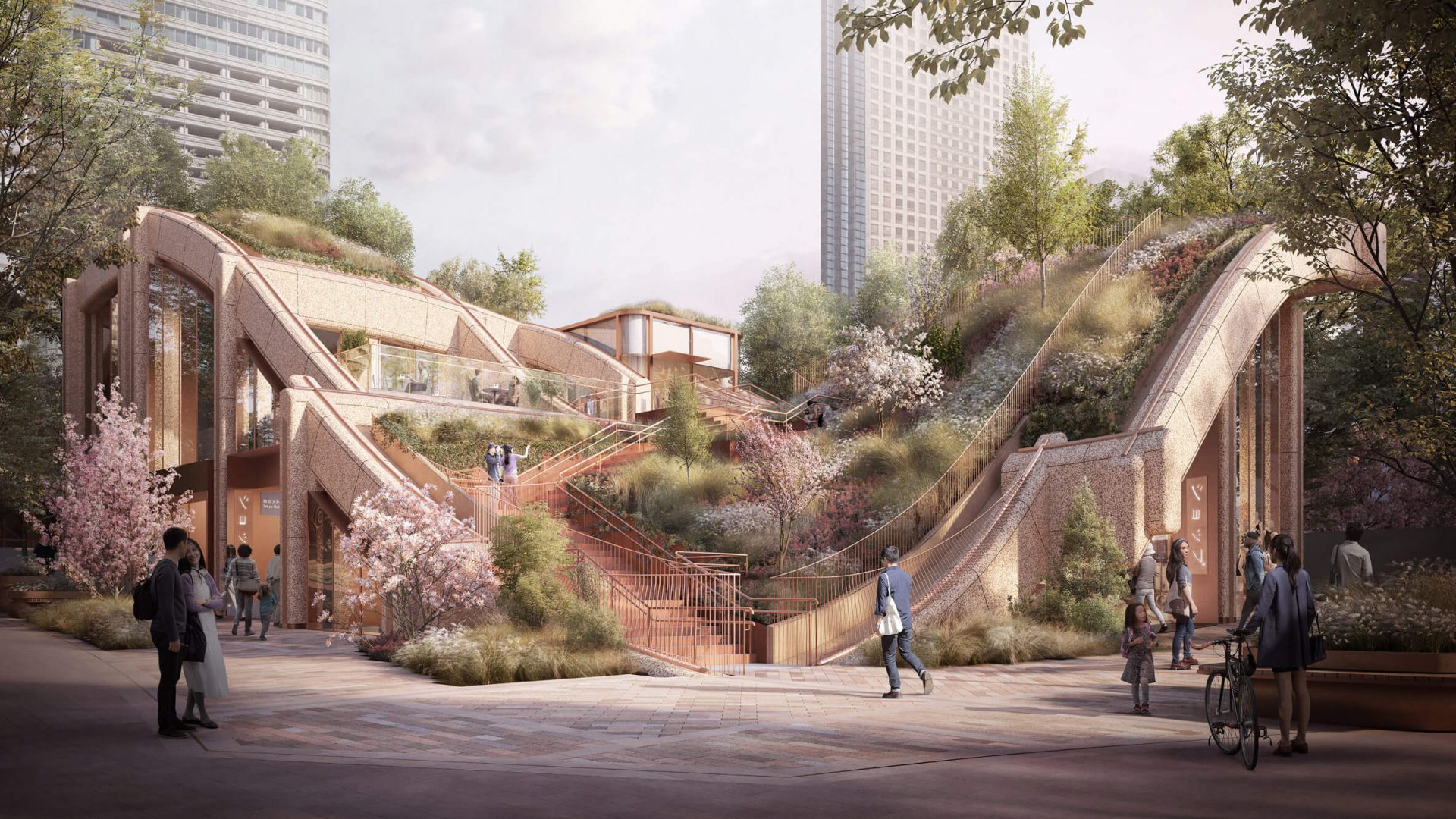
The Gulf’s biophilic architecture is more than a trend—it’s a paradigm shift. It’s a declaration that the future of urban living doesn’t have to be a compromise between nature and progress. Instead, it can be a celebration of both, where every structure is a testament to the region’s ability to innovate while honoring its roots. As the sun sets over these living buildings, casting long shadows that mimic the patterns of desert flora, one thing becomes clear: the Gulf isn’t just building for the present. It’s crafting a legacy—one that future generations will look back on with awe, as a time when humanity finally learned to live in harmony with the world around it.


Leave a Comment