

In an era where attention spans are measured in scrolls and algorithms dictate what we consume, a curious phenomenon has begun to reshape the landscape of art journalism. It’s not just about what is being written—it’s about how it’s being consumed, shared, and experienced. The rise of “narrative velocity” has quietly redefined the relationship between art, storytelling, and the audience, turning passive readers into active participants in a dynamic cultural dialogue. This isn’t merely a trend; it’s a tectonic shift in how we perceive and engage with artistic narratives, one that demands we look beyond the surface to understand its deeper implications.
At its core, narrative velocity refers to the speed at which a story unfolds, not just in terms of pacing but in the way it adapts to the rhythms of modern consumption. It’s the difference between a leisurely stroll through a gallery and a sprint through a digital exhibition, where every click, swipe, or pause dictates the trajectory of the narrative. For art journalism, this means moving beyond static critiques or linear essays to embrace formats that mirror the fragmented, hyper-connected nature of contemporary life. The result? A journalism that doesn’t just describe art—it immerses the reader in it, blurring the lines between observer and participant.
The Death of the Static Review: Why Traditional Formats Are Losing Their Grip
For decades, art criticism thrived on the authority of the written word—a single, definitive voice offering judgment on a piece of art. The traditional review, with its measured prose and structured arguments, was the gold standard. But in a world where information is abundant and attention is scarce, these static formats struggle to compete. Readers no longer want to be told what to think; they want to be part of the conversation. Narrative velocity answers this demand by transforming criticism into a living, breathing entity—one that evolves in real-time, incorporating feedback, visuals, and even audience input.
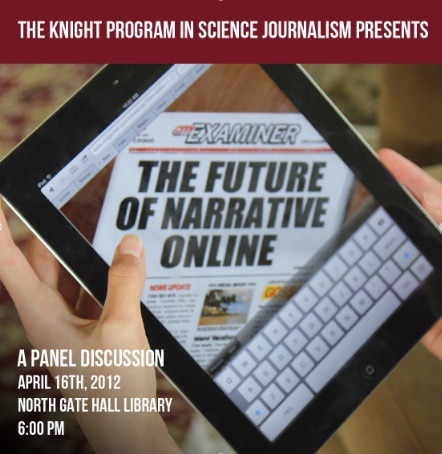
Consider the rise of interactive essays, where readers can explore different layers of a story through embedded images, audio clips, or hyperlinked references. These aren’t just articles; they’re experiences. They allow the audience to peel back the layers of an artist’s process, to witness the evolution of a piece from sketch to final form, or to hear the artist’s own voice in their own words. This isn’t just journalism—it’s storytelling with a pulse. And as these formats gain traction, the static review begins to feel like a relic, a fossilized remnant of a time when the audience was expected to sit quietly and absorb.
The Alchemy of Speed and Depth: How Narrative Velocity Balances Brevity and Meaning
One of the most compelling aspects of narrative velocity is its ability to marry speed with substance. In an age of information overload, the challenge isn’t just to capture attention—it’s to hold it. Narrative velocity achieves this by distilling complex ideas into digestible, engaging chunks without sacrificing depth. It’s the art of saying more with less, of delivering a knockout punch in a single sentence or a single frame. But this isn’t about dumbing down the content; it’s about refining it, honing it to its essence so that every word, every image, every pause carries weight.
Take, for example, the way social media platforms have reshaped art journalism. A thread on Twitter or Instagram can unpack an entire exhibition in a series of bite-sized posts, each one building on the last. The brevity forces writers to distill their thoughts to their purest form, stripping away the fluff to reveal the core of the story. Yet, within these constraints, there’s room for nuance. A single image can evoke an entire mood, a caption can hint at a deeper theme, and a comment from the artist can add a layer of authenticity that a traditional review might miss. This is journalism as haiku—compact, evocative, and open to interpretation.
But narrative velocity isn’t just about brevity; it’s about rhythm. The best art journalism today understands the cadence of modern consumption, knowing when to speed up and when to slow down. A fast-paced introduction draws the reader in, a series of quick cuts keeps them engaged, and a sudden pause—a moment of stillness—allows them to reflect. It’s a dance, and the writer is the choreographer, guiding the audience through a performance that feels both spontaneous and carefully crafted.
The Democratization of Art: How Narrative Velocity Empowers the Audience
Perhaps the most revolutionary aspect of narrative velocity is its potential to democratize art journalism. Traditionally, art criticism has been an elite domain, accessible only to those with the time, education, and cultural capital to engage with it. But narrative velocity flips this script. By embracing formats that are inherently shareable—think TikTok videos breaking down an artist’s technique or Instagram Stories offering behind-the-scenes glimpses—it invites a broader audience into the conversation. This isn’t just about reaching more people; it’s about changing who gets to shape the narrative.
Consider the rise of user-generated content in art journalism. Platforms like YouTube and TikTok have given rise to a new generation of critics—amateurs, enthusiasts, and professionals alike—who approach art with fresh eyes and unfiltered voices. Their content isn’t polished or perfected; it’s raw, immediate, and often deeply personal. And yet, it resonates. Why? Because it speaks the language of the audience. It doesn’t talk *at* them; it talks *with* them. This shift is seismic. It means that the authority of art criticism is no longer confined to a select few; it’s distributed across a vast, interconnected web of voices, each contributing their own perspective to the ever-evolving dialogue.
The Dark Side of Velocity: When Speed Sacrifices Substance
Of course, narrative velocity isn’t without its pitfalls. The same forces that make it so effective—its speed, its adaptability, its accessibility—can also dilute its impact. In the race to capture attention, there’s a danger of sacrificing depth for immediacy. A story that unfolds too quickly may leave the audience breathless but unfulfilled, like a meal eaten on the run rather than savored. And in the quest to be shareable, there’s a risk of oversimplifying complex ideas, reducing art to a series of clickable soundbites rather than a multifaceted experience.
There’s also the question of authenticity. When every moment of an artist’s process is documented, when every thought is shared in real-time, where does the line between transparency and exploitation blur? Art is, at its heart, a deeply personal endeavor. When its creation is turned into a spectacle, when the artist’s every brushstroke is scrutinized and shared, does it lose some of its magic? Narrative velocity must walk a fine line between inviting the audience in and respecting the sanctity of the creative process.
Yet, these challenges aren’t insurmountable. They’re opportunities for growth. The key lies in balance—knowing when to accelerate and when to decelerate, when to embrace the ephemeral and when to dig for the enduring. The best art journalism of today is already doing this, weaving together speed and substance, accessibility and depth, to create something that feels both urgent and timeless.
The Future of Art Journalism: A World of Endless Possibilities
As we look to the future, it’s clear that narrative velocity isn’t just a passing trend—it’s the new normal. The art journalism of tomorrow will be defined by its fluidity, its interactivity, and its willingness to meet the audience where they are. It will be a journalism that doesn’t just report on art but becomes part of the art itself, a living, breathing entity that evolves alongside the culture it seeks to describe.
Imagine a world where every exhibition comes with a digital companion—a dynamic, ever-updating guide that offers new insights with each visit. Where critics don’t just write about art but collaborate with artists to create multimedia experiences that defy traditional formats. Where the audience isn’t just a passive consumer but an active participant, shaping the narrative through their own contributions. This isn’t science fiction; it’s the logical next step in the evolution of art journalism.
But perhaps the most exciting possibility is the one we haven’t yet imagined. Narrative velocity is still in its infancy, and its full potential is only beginning to reveal itself. As technology advances and new platforms emerge, the ways we tell stories—and the ways we experience art—will continue to transform. The only constant will be the human desire to connect, to understand, and to be moved. And in that desire, narrative velocity finds its greatest strength.
So the next time you find yourself scrolling through an art critique on your phone, pausing to zoom in on a detail, or sharing a particularly striking image with a friend, remember: you’re not just consuming content. You’re part of a revolution. A revolution in how we see, how we think, and how we engage with the world around us. And it’s only just beginning.


Leave a Comment