

In the heart of Venice, where ancient canals weave through storied streets and history clings like ivy to crumbling stone, an unexpected tragedy met an extraordinary form of resilience. The floods of recent years, both relentless and merciless, have threatened not only the architectural splendor of this iconic city but also the delicate balance between nature and human creativity. Yet, amid the swirling waters and submerged piazzas, a remarkable chapter of survival and transformation has emerged — a tale of biophilic art that endured, inspiring a profound reevaluation of our connection with the living world.
Reimagining Art Through the Lens of Biophilia
Biophilic art, an artistic movement that embraces the innate human affinity for life and nature, transcends traditional aesthetics. It acts as a bridge between humanity and the environment, incorporating natural elements, organic forms, and ecosystems into the creative process. This genre of art is not merely visual; it is dynamic, alive, and responsive to its surroundings. The floods that ravaged Venice brought with them a unique crucible — a test of whether such art, so deeply entwined with the natural world, could withstand the very forces it venerates.
This art form invites viewers to reconnect with the primal roots of existence, urging an ecological consciousness that is both urgent and poetic. It asks us not only to observe but to feel the pulse of earth’s rhythms, to sense the vulnerability and tenacity of life. Venice’s biophilic artworks embody this philosophy, shimmering with the promise of renewal amid the ruins of waterlogged history.
The Floods: Catastrophe Meets Canvas
The floods struck with an almost mythical force, turning San Marco Square into a reflective lake of sorrowful beauty. Historical frescoes and ancient mosaics faced submersion — an anniversary of vulnerability for the city that has long battled rising tides. In this deluge, biophilic art revealed a new dimension. Installations designed to live in dialogue with the environment instead absorbed the floodwaters and transformed, their meanings deepening and shifting with every ripple.
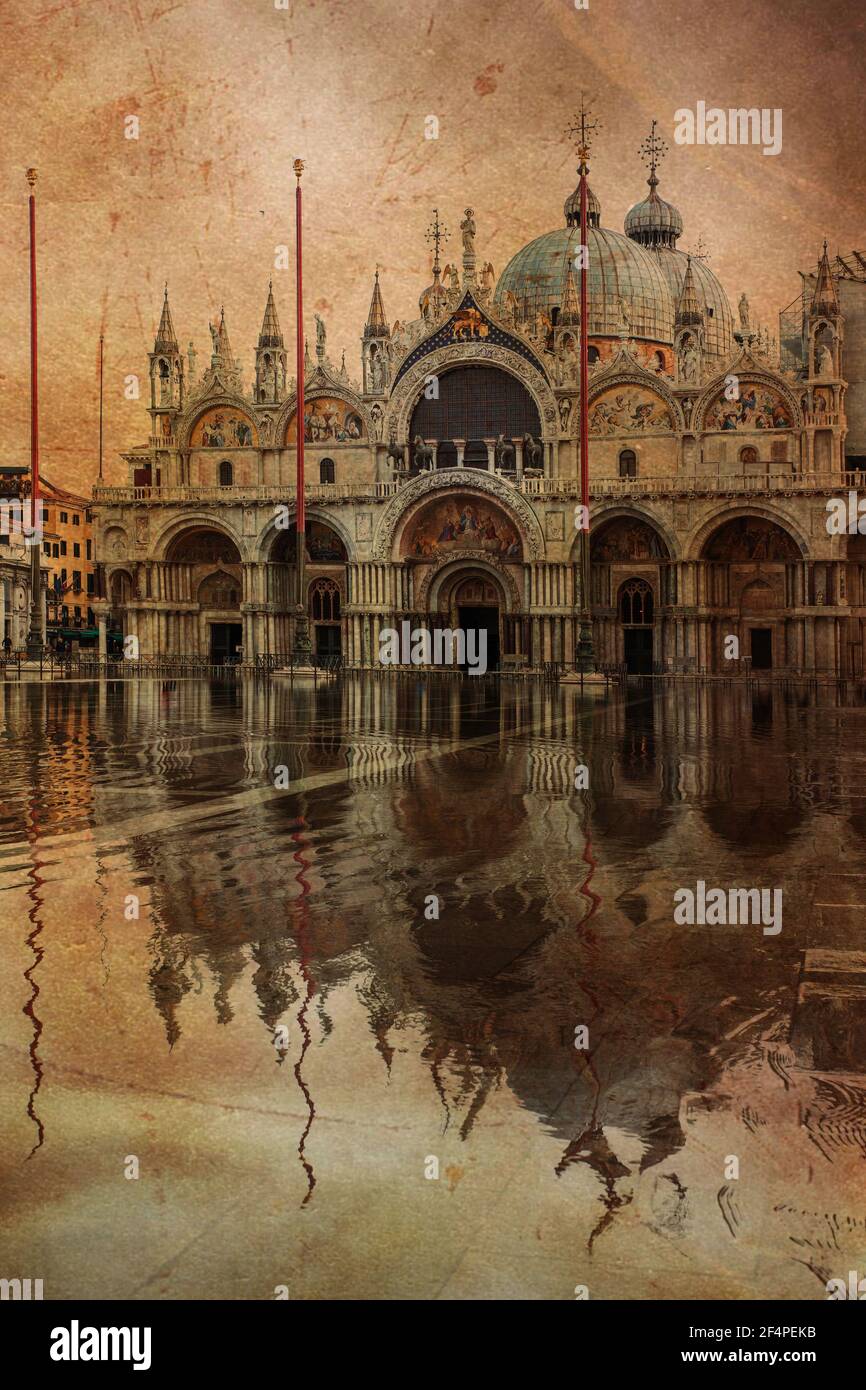
Some pieces, constructed with materials that reacted to moisture or were deliberately embedded with seeds or aquatic flora, began to grow and evolve within the flood’s grasp. What traditional art might have surrendered to decay spectacularly, these biophilic works transmuted into living, breathing entities. The flood, once assumed an unmitigated destroyer, paradoxically became an agent of change — compelling artists and observers alike to reconsider destruction as a catalyst for regeneration.
Survival and Transformation: The Artistic Response
One extraordinary manifestation came from an installation that incorporated native Mediterranean aquatic plants alongside sculptural elements fashioned from reclaimed wood and natural fibers. When the water receded, the art wasn’t simply preserved but reborn — sprouting new life, evoking visceral responses from onlookers. This process of hydro-induced metamorphosis illuminated an ancient truth: life and art are perpetually entwined in an evolutionary dance.

Moreover, the floodwaters drew curious creatures into the flooded streets, becoming unwitting collaborators. Notably, visionary depictions of Venice teeming with alligators sparked both alarm and fascination — symbolic of nature’s unpredictable resurgence amidst urban chaos. Such imagery, while surreal, poignantly captures the tension and harmony between humanity’s constructs and nature’s profound persistence.

A Paradigm Shift: From Cataclysm to Coexistence
The survival of biophilic art in Venice amid these floods promises a radical shift in perspective. No longer can we view environmental disasters purely as endings. Instead, they provoke a reevaluation of coexistence, resilience, and the permeability between human and ecological domains. This art form does not merely survive; it evolves in tandem with its environment — an emblem of symbiosis and endurance.
As viewers encounter pieces that have weathered water’s onslaught, curiosity is piqued and entrenched paradigms loosen. What does it truly mean to create? How can artists integrate the volatility of nature into their work without fearing impermanence? The Venetian floods have furnished powerful answers, illustrating that fragility and strength coexist within nature’s cycles, and art must reflect this duality.
Beyond Venice: A Movement Fueled by Necessity
The implications extend far beyond the Venetian canals. Biophilic art’s resilience under duress challenges the global art community to reconsider sustainability and adaptability. As climate change intensifies, artists worldwide face the imperative to incorporate environmental dynamics, crafting works that can endure, transform, or even harness natural phenomena.
This movement is not only ecological but philosophical. It beckons society to embrace impermanence, to marvel at how disasters can serve as reminders of life’s interconnectedness rather than mere losses. Biophilic art becomes a beacon, fostering dialogues on conservation, adaptation, and reverence for the delicate yet unyielding web of life that cradles human existence.
Conclusion: The Living Legacy of Venice’s Biophilic Art
In a city synonymous with history and resilience, biophilic art stands as a testament to innovation born from adversity. The Venice floods, rather than a harbinger of irreversible devastation, unveiled a remarkable capacity for art to adapt, flourish, and challenge perception. It is a vivid, living narrative that whispers of hope and transformation, compelling all who witness it to reconsider the boundaries between art, nature, and survival.
This fusion of creativity and ecology heralds a new chapter — one where art ceases to be static and instead becomes a participant in the ongoing saga of life. Venice’s flooded streets are not only a memory of catastrophe but a canvas for reinvention, beckoning us to envision a future where harmony with nature is not an aspiration but a lived reality.


Leave a Comment