

In the modern whirlwind of creation where colors burst and shapes collide at a feverish pace, a peculiar sensation persists—a haunting melancholy that resonates from the shadows of the accelerated art world. “In Minor Keys: A Requiem for the Accelerated Art World” explores this enigmatic dynamic, unraveling the paradox of rapid artistic evolution intertwined with an undercurrent of wistful reflection. There is a collective pulse that stirs beneath the surface of the art community, drawn inexplicably to the minor tonalities of creativity, encouraging us to listen more deeply to what these somber notes reveal about our era’s relentless velocity.
The Acceleration Phenomenon: A Double-Edged Sword
The contemporary art landscape is inextricably bound to acceleration. Digital platforms, artificial intelligence, and global connectivity thrust creatives into a relentless cycle of production and consumption. This rapidity is intoxicating—yet it carries with it a paradoxical disquiet. Artistic output, once nurtured patiently through prolonged contemplation, now demands immediate visibility. The tempo has shifted from symphonic grandeur to rapid riffing. Artists generate, iterate, and pivot at rapid speeds, producing breathtaking volumes of work, but often at the cost of depth and introspection. This precipitous pace thrusts the art world into an exhilarating yet unsatisfying whirlwind where quantity seems to overshadow quality.
The Allure of Minor Keys: Emotional Gravity in Art
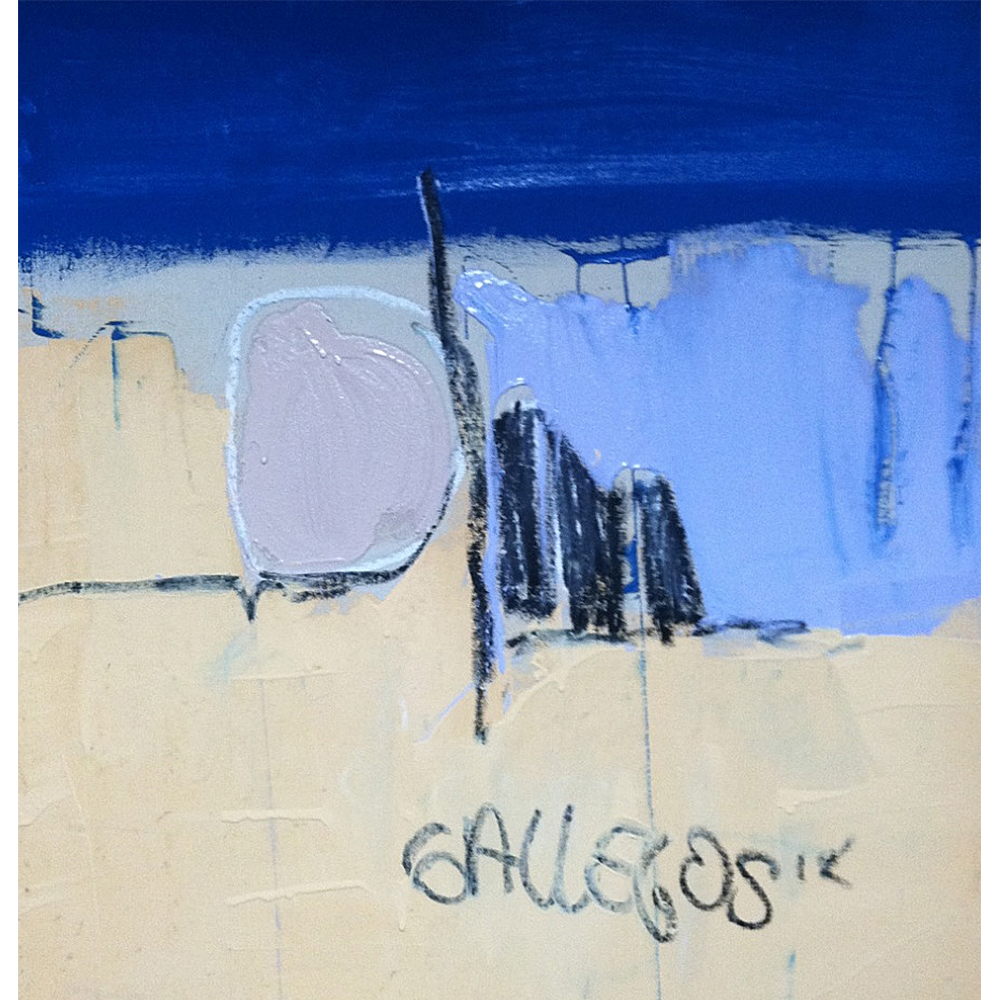
The concept of ‘minor keys’ carries a symbolic heft in music, representing emotional complexity, melancholy, and a profound narrative weight. This musical metaphor exquisitely maps onto the world of art where minor key compositions evoke poignant sentiments and somber moods. Artists and audiences alike are increasingly drawn to these subtle intricacies—the shadows cast by light, the subdued palettes, and the introspective themes that invite contemplation. This gravitation towards the ‘minor’ imbues artworks with an emotional gravity, a counterweight to the rapid-fire exuberance of accelerated creation. It is a tacit acknowledgment that beneath the surface of frenetic production, there is a profound desire to connect with something authentic, something weighted with meaning.
The Dichotomy Between Acceleration and Reflection
This tension between acceleration and reflection manifests as an underlying conversation within the art sphere. Accelerated art feels like a sprint, a necessity to keep pace with evolving technologies and audience expectations. Yet, the minor key undertone demands a pause—a slower breathing, an attuned listening. This dichotomy stands at the crossroads of innovation and tradition, urgency and patience, spectacle and subtlety. Amidst the digital expediency, the minor key whispers a requiem, a plea to preserve the sanctity of quietude and the contemplative process. This duality reveals not a rejection of progress but a nuanced critique, advocating for a balanced synthesis where accelerated creation coexists harmoniously with thoughtful introspection.
Technological Catalysts: AI and the Accelerated Art World
Recent advancements in technology, particularly the rise of AI-driven art models, have dramatically altered the creative topography. Tools capable of producing intricate visuals at breakneck speeds have democratized artistic creation while also intensifying the flood of imagery saturating the cultural landscape. AI’s ability to replicate styles and generate art in mere moments introduces novel potentials and challenges. It simultaneously amplifies the minor key of creative melancholy—how do artists preserve their unique voice amid automation? What becomes of craftsmanship when the machine hastens the brushstroke? These questions embody the requiem’s lament, questioning the essence and soul of art in an age dominated by accelerated digital processes.

Cultural Ramifications: The Ephemeral Versus The Enduring
Acceleration in art redefines the lifecycle of cultural artifacts. Where once artwork might gestate over months or years, accumulating layers of significance, today’s accelerated creations can fade almost as quickly as they appear. This ephemeral nature poses a profound cultural dilemma: how does society ascribe lasting value amid relentless output? The minor key response to this is an embracing of art’s transient beauty coupled with a yearning for permanence—a paradox that mirrors human existence itself. The accelerated art world challenges us to reexamine our criteria for cultural endurance, reminding us that some of the most profound works arise not from speed, but from timeless introspection.
A New Aesthetic: Sublimity in Constraint
Intriguingly, the minor key aesthetic fosters a new artistic paradigm: sublimity in constraint. By leaning into muted tones, minimalism, and subtle emotional resonance, artists carve spaces of quietude amid the cacophony. This aesthetic invites viewers into intimate dialogue, where silence and suggestion weigh as heavily as exuberant declaration. It transforms the frenetic pace into a moment of reverence—an oasis within the storm. The minor key becomes more than a tonal choice; it is a philosophical stance, a radical embrace of restraint as a form of deep expression and resistance against cultural saturation.

Conclusion: Listening to the Requiem
In the final analysis, the accelerated art world compels us to reconsider the rhythms of creativity. “In Minor Keys” beckons us toward an elegiac understanding—a requiem not merely for what is lost to haste, but a celebration of the depth that melancholy and contemplation unearth. It invites artists and audiences alike to attune their ears to subtler harmonies, to appreciate the rich textures born from reflection, and to honor the spaces between the notes. This requiem is not a dirge for the obsolescence of traditional art but a call to embrace the full spectrum of creation, where speed and stillness, light and shadow, minor and major all coexist in a profound symphony.


Leave a Comment