

There’s a quiet magic in the way light seems to emanate from beneath the surface of an Old Master painting, as though the colors themselves are alive with an inner glow. You’ve likely stood before such works in museums, captivated by the luminosity of a Vermeer’s pearls or the velvety depth of a Rembrandt’s shadows. What you’re witnessing isn’t just skill—it’s the alchemy of glazing, a technique that has tantalized artists for centuries. Glazing isn’t merely a method; it’s a portal to a world where paint behaves like stained glass, filtering and refracting light to create effects that flat color simply cannot achieve. Yet, despite its power, glazing remains shrouded in mystery, dismissed by some as an outdated relic of the past. The truth? It’s a timeless tool, waiting to be rediscovered by modern painters who crave depth, richness, and that ineffable quality of “life” in their work.
The allure of glazing lies in its paradox: it’s both ancient and revolutionary. While contemporary artists often chase trends, the Old Masters understood something fundamental—paint isn’t just about covering a surface; it’s about orchestrating light. Glazing, at its core, is the application of transparent layers over a dry underpainting, allowing each hue to interact with those beneath it. The result? A symphony of color where each note resonates with the others, creating a depth that feels almost three-dimensional. But why does this technique hold such fascination? Perhaps because it mirrors the way we perceive the world itself—through layers of atmosphere, memory, and perception. A single glaze can transform a flat expanse of color into something that breathes, something that seems to glow from within.
The Alchemy of Transparency: How Glazing Defies Expectations
Imagine holding a prism up to sunlight, watching as it splits into a spectrum of colors. Glazing operates on a similar principle, but instead of bending light, it layers it. The magic begins with the underpainting—a monochromatic or limited-color foundation that establishes the composition’s structure. This isn’t just a sketch; it’s the skeleton upon which the entire painting will be built. Once dry, the artist applies thin, transparent glazes, often using oil paints thinned with mediums like stand oil or spike lavender oil. The key here is patience: each layer must dry completely before the next is added, allowing the colors to fuse without muddiness.
The brilliance of glazing lies in its ability to create optical mixing. Instead of blending colors physically on the palette, the eye blends them optically as light passes through multiple layers. A glaze of transparent red over a blue underlayer doesn’t just create purple—it creates a purple that shimmers, that seems to pulse with an inner light. This effect is impossible to replicate with opaque colors alone. Artists like Titian and Velázquez mastered this technique, using it to achieve the luminous skin tones and jewel-like fabrics that define their work. Even today, painters who experiment with glazing report a profound shift in their perception of color—suddenly, hues become more vibrant, more alive.
Yet, glazing is not without its challenges. The most common pitfall? Overworking. A glaze applied too thickly or too hastily can obscure the underpainting, turning what should be a luminous effect into a murky mess. The solution? Less is more. Think of each glaze as a whisper rather than a shout. Start with a single, thin layer and build gradually, allowing the underpainting to peek through like sunlight through leaves. The goal isn’t to cover but to enhance, to coax out the hidden potential of the colors beneath.
The Medium’s Secret: Choosing the Right Glaze Mixtures
Not all glazes are created equal. The medium you choose to suspend your pigments can dramatically alter the final effect. Traditional oil painters often rely on stand oil, a purified linseed oil that dries slowly and remains flexible, preventing cracking over time. Others prefer walnut oil for its pale color and quick drying time. The choice of medium isn’t just technical—it’s philosophical. Stand oil encourages a slow, deliberate application, while walnut oil allows for more spontaneity. Experimentation is key; the right medium for your glaze should complement your working style and the desired outcome.
Pigment selection is equally critical. Not all colors play well together in glazes. Transparent pigments, such as alizarin crimson, ultramarine blue, and viridian, are ideal because they allow light to pass through without scattering. Opaque pigments, like titanium white or cadmium red, can muddy the effect, creating a dull, chalky appearance. Some artists swear by specific pigment combinations, like a glaze of transparent oxide red over a verdaccio underpainting to achieve lifelike flesh tones. Others prefer to let intuition guide them, mixing glazes on the fly to discover unexpected harmonies.
The drying time of your medium also plays a role in the glaze’s behavior. Faster-drying mediums like spike lavender oil can create a matte, velvety surface, while slower-drying options like stand oil yield a glossier finish. The surface you’re painting on matters too—smooth, primed panels allow for more controlled glazing, while textured canvases can create subtle variations in the glaze’s application. The Old Masters often used copper or wood panels, which provided a stable, non-absorbent surface perfect for layering. Modern artists might opt for acrylic-primed panels or even glass, each offering unique advantages.
From Underpainting to Glow: A Step-by-Step Glazing Workflow
The journey from underpainting to finished glaze is a dance of precision and intuition. It begins with the imprimatura, a thin, toned ground that establishes the painting’s overall value structure. This layer isn’t just a wash—it’s a preview of the final harmony, a way to test the balance of lights and darks before committing to full color. Next comes the underpainting, often executed in a limited palette of earth tones and umbers. This stage is about blocking in shapes and values, not details. The goal is to create a roadmap for the glazes to follow, a foundation that will guide the eye through the painting’s depths.
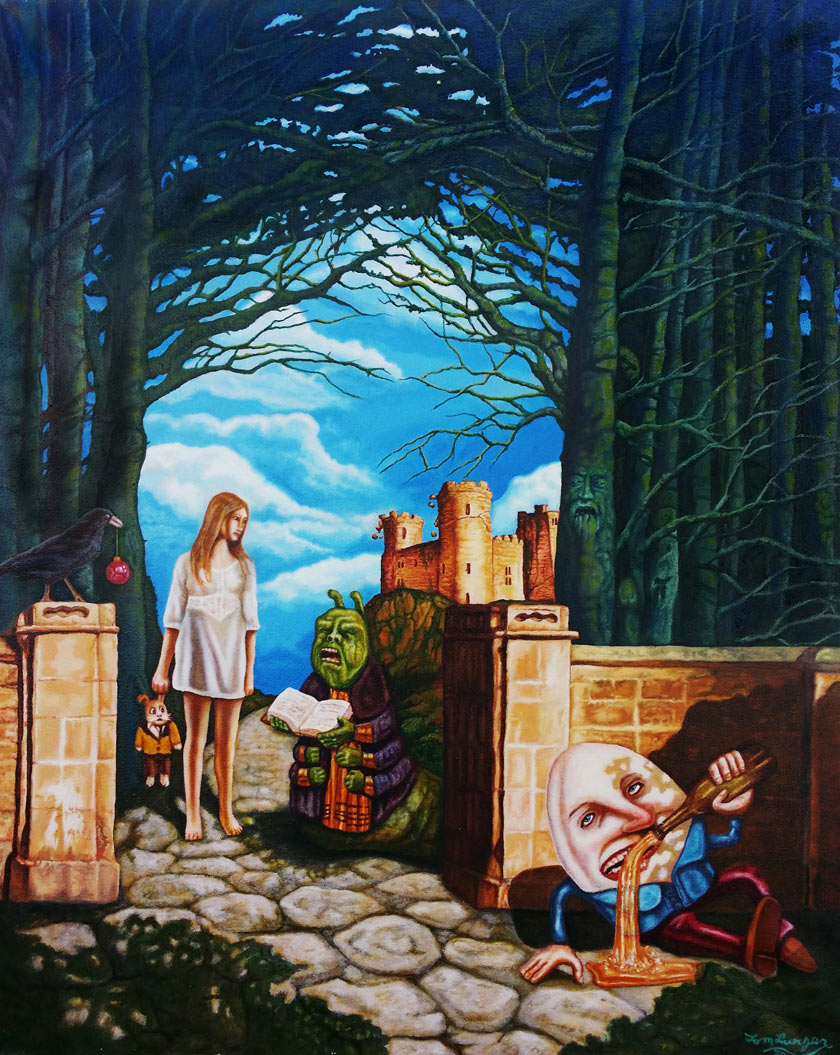
Once the underpainting is dry, the real magic begins. Start with the darkest glazes, typically in the shadows and recesses of the composition. These layers will sink into the underpainting, deepening the contrasts and adding a sense of volume. As you move to lighter glazes, the painting begins to come alive. Transparent yellows and reds can warm the shadows, while cool blues and greens can recede into the background. The key is to work from dark to light, allowing each layer to inform the next. It’s a process of revelation, where the painting slowly emerges from the depths of the underpainting like a figure stepping out of a fog.
Detail work comes last, often with a fine brush and a steady hand. Here, glazing can be used to refine edges, enhance highlights, or add subtle color shifts. A glaze of transparent white over a highlight can create a luminous effect, while a glaze of transparent red in the lips can bring them to life. The Old Masters were meticulous in this stage, using glazing to add the final touches of realism—catchlights in the eyes, the sheen of silk, the bloom of youth on a face. It’s where the painting transitions from a collection of shapes to a living, breathing entity.
Modern Adaptations: Glazing in the Contemporary Studio
You might assume glazing is a technique reserved for classical painters, but contemporary artists are rediscovering its potential in bold, innovative ways. Digital artists, for instance, use glazing techniques in their digital brushes to simulate the luminosity of oil paint. Photographers apply glaze-like layers in post-processing to enhance the depth of their images. Even sculptors have adopted glazing, using transparent resins to create effects that mimic the interplay of light in traditional paintings. The technique’s versatility is its greatest strength—it transcends mediums, offering a universal language for creating depth and luminosity.
For oil painters today, glazing offers a way to bridge the gap between tradition and innovation. Many contemporary artists use glazing to create hyper-realistic portraits or to achieve the luminous skin tones seen in Renaissance paintings. Others employ it in abstract work, using transparent layers to build up complex, layered surfaces that invite close inspection. The technique also lends itself to experimentation with non-traditional pigments, such as iridescent or interference colors, which can add a modern twist to classical methods. The result is a fusion of old and new, a testament to the enduring power of glazing.
One of the most exciting modern adaptations is the use of glazing in plein air painting. Traditionally, plein air artists worked quickly, capturing the fleeting effects of light in a single session. But with glazing, they can return to the studio and build upon their initial sketches, adding depth and richness that wasn’t possible in the field. This hybrid approach allows for the spontaneity of plein air work while retaining the depth and luminosity of studio painting. It’s a reminder that glazing isn’t just a technique—it’s a mindset, one that embraces both speed and patience, intuition and precision.
The Psychological Pull: Why Glazing Captivates the Imagination
There’s something deeply satisfying about glazing, a feeling that goes beyond the technical. It’s the thrill of seeing a painting transform before your eyes, of watching dull colors awaken into something luminous and alive. But the fascination with glazing runs deeper than mere technique. It taps into a primal human desire—to see beyond the surface, to uncover the hidden layers of reality. In a world where everything is often presented as flat and immediate, glazing offers a counterpoint: a way to explore depth, both literal and metaphorical.
Glazing also speaks to our love of mystery. There’s an element of alchemy in the process, a sense that you’re coaxing something magical out of seemingly ordinary materials. The way light interacts with each layer, the way colors blend optically rather than physically—it feels like uncovering a secret, a hidden language of light and shadow. This mystery is part of what draws artists to glazing, and it’s also what keeps viewers captivated. A well-glazed painting doesn’t just hang on a wall; it invites contemplation, pulling the viewer into its depths like a portal to another world.
The psychological appeal of glazing extends to its meditative qualities. The slow, deliberate process of layering glazes can be a form of mindfulness, a way to quiet the mind and focus on the present moment. In an era of constant stimulation, glazing offers a rare opportunity to slow down, to savor the process of creation. It’s no wonder that many artists describe glazing as a spiritual experience, a way to connect with something greater than themselves. Whether you’re a seasoned painter or a curious beginner, glazing invites you to explore the boundaries of your craft—and perhaps, in the process, to discover something new about yourself.
As the final glaze settles and the painting begins to dry, there’s a moment of quiet anticipation. Will the layers fuse as intended? Will the luminosity emerge as hoped? It’s a moment of vulnerability, a testament to the artist’s trust in the process. But when it works—when the painting begins to glow from within—it’s nothing short of magic. Glazing isn’t just a technique; it’s a journey, one that invites you to see the world—and your art—in a new light. Whether you’re drawn to its luminous effects, its meditative qualities, or its timeless allure, glazing offers a path to creating work that feels truly alive. So why not pick up a brush, mix a glaze, and see where it takes you? The secrets of the Old Masters are waiting to be rediscovered.


Leave a Comment