

In the quiet hush of a dimly lit gallery, where the air hums with centuries of whispered secrets, a tableau of fruit emerges—not merely as sustenance, but as a silent sermon. Dutch still life paintings, those opulent feasts for the eyes, are far more than decorative tableaux. They are coded narratives, where every glistening grape, every split pomegranate, whispers of mortality, wealth, and the fleeting nature of existence. To stand before these works is to eavesdrop on a conversation between artist and viewer, one that unfolds in symbols as rich and layered as the pigments themselves. What if these fruits, so meticulously rendered, are not just objects of beauty but vessels of meaning? What if they are the keys to unlocking a world where every peel, every seed, and every bruise tells a story?
Prepare to see these masterpieces through a new lens. This is not just about fruit. It is about the art of reading between the lines, where a simple bowl of peaches becomes a meditation on decay, and a cluster of grapes transforms into a metaphor for divine grace. Welcome to the hidden language of Dutch still life—a world where the mundane becomes monumental, and the ordinary is anything but.
The Art of Silent Sermons: Why Fruit in Dutch Still Life is More Than Meets the Eye
At first glance, a Dutch still life painting of fruit appears to be a celebration of abundance—a visual buffet of summer’s bounty, meticulously arranged to dazzle the senses. Yet, these works are not mere displays of technical prowess or aesthetic indulgence. They are, in essence, vanitas in disguise, a genre that uses the transient beauty of objects to remind viewers of life’s impermanence. The fruit, so vivid and lush, is a paradox: it is both alluring and doomed. A peach, split open to reveal its golden flesh, is a fleeting moment of perfection before decay sets in. A cluster of grapes, plump and inviting, is a symbol of both earthly pleasure and the inevitability of withering.
The Dutch artists of the 17th century were masters of this duality. They knew that beauty and decay were two sides of the same coin. A strawberry, with its delicate seeds and heart-shaped form, was not just a fruit—it was a reminder of the fleeting nature of youth and vitality. A lemon, with its sharp scent and sour bite, stood for the bitterness of life’s hardships. Even the humble apple, so often depicted, carried the weight of biblical temptation, a nod to the fall of man. These paintings were not just for show; they were mirrors held up to society, reflecting its obsessions, fears, and moral lessons.
The Language of the Orchard: Decoding the Symbolism of Specific Fruits
The Dutch still life painter’s palette was not just a tool for color—it was a lexicon of meaning. Each fruit was chosen for its symbolic resonance, creating a visual language that spoke volumes without a single word. Let’s peel back the layers of this edible alphabet to uncover the hidden messages.
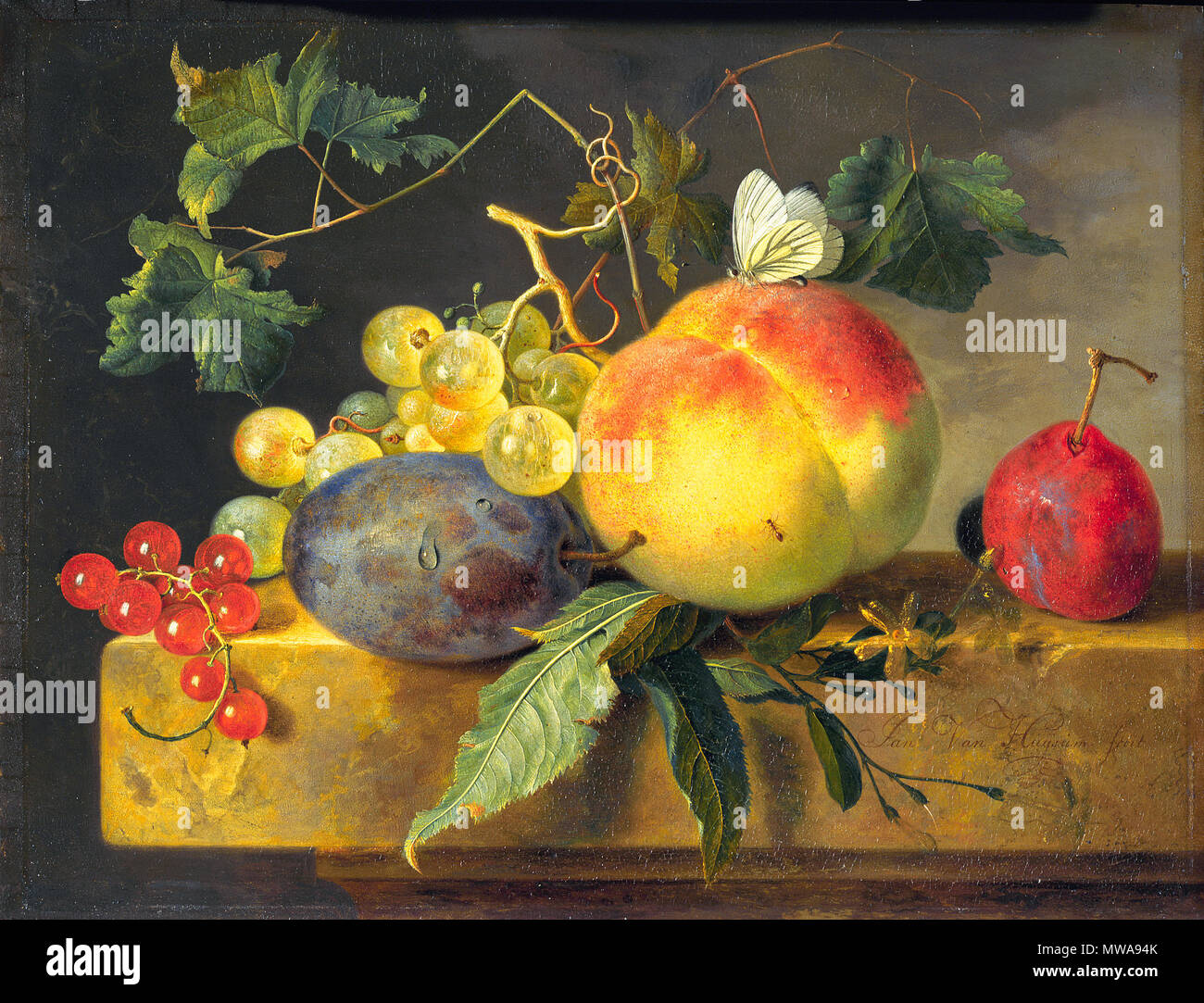
Grapes: Often depicted in clusters, grapes were a symbol of both earthly pleasure and spiritual abundance. In Christian iconography, they represented the blood of Christ, a connection to the Eucharist. Yet, their tendency to ferment and spoil also made them a reminder of the fleeting nature of joy. A painting featuring grapes might be a meditation on the duality of life—pleasure and pain, joy and sorrow—interwoven like vines in a garden.
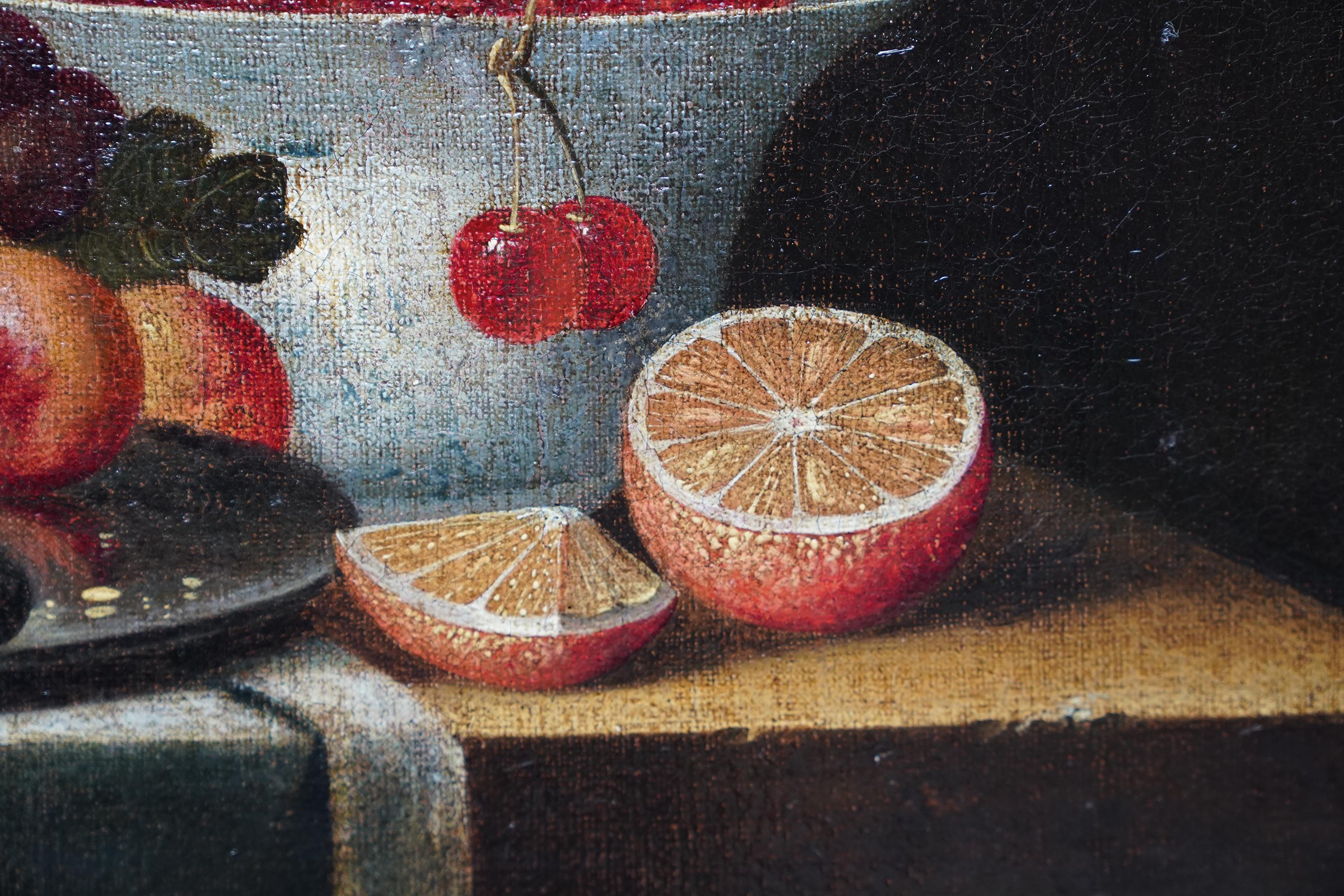
Peaches: With their fuzzy skin and sun-kissed hues, peaches were symbols of fertility, abundance, and the sweetness of life. However, their delicate flesh and short season also made them a metaphor for the transient nature of beauty. A split peach, revealing its juicy interior, was a poignant reminder that all things must pass, no matter how perfect they may seem in the moment.
Lemons: The lemon’s sharp acidity and bright yellow color made it a symbol of both bitterness and enlightenment. In a still life, a lemon might represent the harsh realities of life, the sour moments that temper the sweet. Alternatively, its vibrant color could signify the light of knowledge, a beacon in the darkness of ignorance. A lemon placed next to a book, for example, might suggest the pursuit of wisdom through struggle.
Pomegranates: With their jewel-like seeds and mythological ties to Persephone and the underworld, pomegranates were symbols of resurrection, fertility, and the cycle of life and death. In Dutch still life, they often appeared as a nod to the passage of time and the inevitability of renewal. A pomegranate, split open to reveal its seeds, was a visual reminder that even in decay, there is the promise of rebirth.
Strawberries: These delicate, heart-shaped fruits were symbols of righteousness and the fleeting nature of earthly delights. Their short season and perishable nature made them a perfect metaphor for the brevity of life. A strawberry, often depicted with its leaves still attached, was a reminder to savor the present moment before it slips away.
Beyond the Fruit Bowl: The Hidden Narratives in Composition and Context
The symbolism of Dutch still life paintings extends far beyond the individual fruits themselves. The arrangement of the composition, the inclusion of other objects, and even the lighting all play a role in crafting a narrative that is as intricate as it is subtle.
The Placement of Objects: A bowl of fruit placed centrally in the composition often symbolized abundance and the generosity of nature. However, if the bowl was tilted or the fruit spilled out, it could signify the chaos of life or the inevitability of decay. The way the fruits were stacked or arranged—whether in a pyramid or a loose cluster—also carried meaning. A pyramid, for example, might represent the hierarchy of the natural world, while a loose arrangement could suggest the randomness of existence.
The Role of Other Objects: Dutch still life paintings often included objects beyond fruit, each with its own symbolic weight. A watch or an hourglass might represent the passage of time, while a skull or a wilting flower served as a stark reminder of mortality. A musical instrument, such as a lute, could symbolize the harmony of life, while a book might represent the pursuit of knowledge or the fleeting nature of human achievements. The juxtaposition of these objects with fruit created a dialogue between the transient and the eternal, the material and the spiritual.
The Power of Light and Shadow: The lighting in these paintings was never accidental. A soft, diffused light might bathe the fruit in a golden glow, emphasizing its beauty and abundance. In contrast, a stark, directional light could cast deep shadows, highlighting the imperfections and the inevitable decay of the fruit. The play of light and shadow was a visual metaphor for the duality of life—its joys and sorrows, its beginnings and endings.
Consider, for example, a painting where a single ray of light illuminates a cluster of grapes, while the rest of the scene remains in shadow. The grapes, bathed in light, could symbolize divine grace or the fleeting nature of earthly pleasures. The surrounding darkness, meanwhile, might represent the unknown or the mysteries of life that lie beyond human understanding.
The Social and Moral Underpinnings: Why These Paintings Were More Than Decoration
Dutch still life paintings were not created in a vacuum. They were a reflection of the society that produced them—a society grappling with wealth, morality, and the consequences of its actions. The abundance depicted in these works was not just a celebration of nature’s bounty; it was a commentary on the excesses of the Dutch Golden Age, a period marked by opulence, trade, and colonial expansion.
The Paradox of Plenty: The Dutch Republic of the 17th century was a hub of commerce, where merchants amassed fortunes from spices, silk, and other exotic goods. Yet, this wealth came with a moral cost. The still life paintings of the time often depicted luxurious fruits like pineapples and citrus, which were imported at great expense. These fruits were not just symbols of abundance; they were reminders of the global trade networks that sustained the Dutch economy—and the human cost behind them. The inclusion of such fruits in a painting was a subtle critique of the excesses of capitalism and the exploitation of distant lands.
The Morality of Consumption: The Dutch were deeply religious, and their art often reflected their moral values. Still life paintings served as a visual sermon, reminding viewers of the dangers of gluttony, greed, and vanity. A painting featuring a half-eaten peach or a spilled glass of wine might be a warning against overindulgence. Similarly, a depiction of a luxurious table setting could be a commentary on the emptiness of material wealth. These paintings were not just for aesthetic enjoyment; they were tools for moral instruction, designed to provoke thought and introspection.
The Role of Women: In many Dutch still life paintings, women are depicted in the act of preparing or serving food. These figures were not merely decorative; they were symbols of domesticity, virtue, and the moral order of the household. A woman arranging fruit in a bowl might represent the ideal of feminine virtue, while a woman indulging in excess could be a cautionary tale against the sins of the flesh. The inclusion of women in these paintings added a layer of social commentary, reflecting the gender roles and expectations of the time.
A New Way to See: How to Read Dutch Still Life Paintings Today
To appreciate Dutch still life paintings fully, we must step beyond the surface and engage with them as the complex, layered works they were intended to be. Here’s how to unlock their secrets:
Look Closely at the Details: The devil, as they say, is in the details. Examine the condition of the fruit—are there bruises, splits, or signs of decay? These imperfections are not mistakes; they are intentional symbols of the fleeting nature of life. Notice the textures: the fuzzy skin of a peach, the glossy sheen of a grape, the rough rind of a lemon. Each texture tells a story about the fruit’s journey from harvest to decay.
Consider the Context: Think about the historical and cultural context in which these paintings were created. The Dutch Golden Age was a time of great wealth, but also of great moral scrutiny. The abundance depicted in these works was not just a celebration of nature; it was a commentary on the excesses of the time. Consider the role of trade, colonialism, and religion in shaping the symbolism of these paintings.
Engage with the Emotions: These paintings were designed to evoke an emotional response. They were meant to provoke thought, introspection, and even discomfort. When you stand before a still life painting, ask yourself: How does it make you feel? Does it inspire awe, longing, or melancholy? The emotions these works evoke are part of their power—they are not just objects to be admired, but experiences to be felt.
Compare and Contrast: Not all Dutch still life paintings are the same. Some are opulent and extravagant, while others are simple and austere. Compare the works of different artists to see how their interpretations of fruit and symbolism vary. Notice the differences in composition, lighting, and the inclusion of other objects. Each painting offers a unique perspective on the themes of life, death, and the passage of time.
The next time you find yourself standing before a Dutch still life painting, pause. Look beyond the beauty of the fruit and the skill of the artist. See the symbols, the metaphors, and the hidden narratives. These paintings are not just windows into the past; they are mirrors that reflect our own obsessions, fears, and desires. They remind us that beauty is fleeting, that abundance is temporary, and that every moment—no matter how perfect—is a step closer to decay.
So, the next time you see a bowl of fruit in a painting, ask yourself: What is it really saying? The answer might just change the way you see the world.


Leave a Comment