

Ever stared at your saxophone reeds, watching them curl up like autumn leaves in a stiff breeze, only to crumble into dust days later? You’re not alone. Musicians worldwide whisper about this silent killer—humidity. But here’s the twist: it’s not just about the air’s moisture. The real culprit is how your reeds *react* to it, and the solutions most players swear by are often missing the mark. What if the key to longevity isn’t just storing them in a case but mastering the delicate dance between your reed’s soul and the air it breathes?
Let’s dive into the unseen forces at play, the myths that sabotage your reeds, and the humidity hacks that could save you a fortune in replacements. By the end, you’ll never look at a reed the same way again.
The Reed’s Secret Life: Why Humidity Is the Puppeteer
Saxophone reeds are living, breathing entities—metaphorically speaking, of course. Crafted from the fibrous heart of Arundo donax cane, they’re porous by design, designed to vibrate and sing. But this very porosity makes them a sponge for moisture. When the air around them shifts, they absorb or expel water like a desert cactus in a monsoon. Too dry, and they stiffen into brittleness. Too damp, and they soften into mush. The sweet spot? A Goldilocks zone where the reed’s moisture content mirrors the environment’s humidity—typically between 40% and 60%.
Here’s where most players trip up: they assume their reed’s fate is sealed the moment it’s boxed. Not so. The real battle begins the second you unseal that package. Your breath, your playing style, even the temperature of your case—all conspire to tip the scales. Ever noticed how reeds in a student’s case last weeks, while yours in a pro’s gig bag expire in days? The difference often lies in how they’re stored, not the reeds themselves.
The Humidity Trap: How Your Case Is Sabotaging You
Your saxophone case isn’t just a protective shell—it’s a microclimate factory. And if you’re using a standard hard case, you’re likely setting yourself up for reed roulette. Here’s why: hard cases trap moisture like a swamp. Every time you play, your breath adds humidity. Close the case, and that moisture lingers, turning your reeds into a soggy mess. Meanwhile, the cane’s outer layers dry out faster than a desert sunrise, creating a warped, uneven surface that kills tone and endurance.
But wait—there’s a villain even more insidious: the silica gel packet. Those little blue beads? They’re supposed to absorb moisture, but in reality, they often create a seesaw effect. One day your reeds are bone-dry, the next they’re swimming. The solution? Swap them for a humidity-control system—like a reed-specific humidifier or a small, breathable pouch filled with natural absorbents like uncooked rice or even a slice of bread (yes, really). These alternatives regulate moisture without the dramatic swings.
The Breath Effect: Why Your Playing Style Is a Reed Killer
Ever blown into your reed and felt it resist like a stubborn mule? That’s your breath’s moisture at work. Every exhale deposits a thin film of water on the reed’s surface, softening it over time. The harder you play, the faster this happens. But here’s the kicker: it’s not just about volume. Your embouchure—the way you shape your mouth around the mouthpiece—also plays a role. A tight embouchure traps breath between the reed and your lips, creating a localized humidity bomb that accelerates decay.
So how do you fight back? Start with a simple ritual: after playing, gently tap the reed to dislodge moisture, then wipe it with a microfiber cloth. Store it flat in a reed guard (not upright—gravity is a reed’s worst enemy) and give it a day to dry out completely before your next session. And if you’re a power player? Consider rotating reeds more frequently. A reed’s lifespan isn’t measured in days but in playing hours—typically 10 to 20 hours of solid use before it starts to lose its edge.
The Environmental Wildcard: Where You Store Your Reeds Matters
Your reeds don’t just live in your case—they live in your world. And your world is full of humidity villains. Air conditioning dries the air to desert levels. Central heating turns your home into a sauna. Even your car’s glove compartment can become a humidity rollercoaster, baking in the sun one minute and freezing the next. The fix? A dedicated reed storage solution. A wooden reed case with a felt lining can buffer humidity changes, while a small, airtight container with a humidity gauge (like those used for cigars) gives you precise control.
But what if you’re on the road? Touring musicians swear by reed savers—small, portable humidifiers that clip onto your case. These nifty devices release moisture slowly, keeping your reeds in their happy zone even in the driest venues. Pair one with a digital hygrometer, and you’ve got a reed-saving dream team.
The Cane’s Curse: Why Not All Reeds Are Created Equal
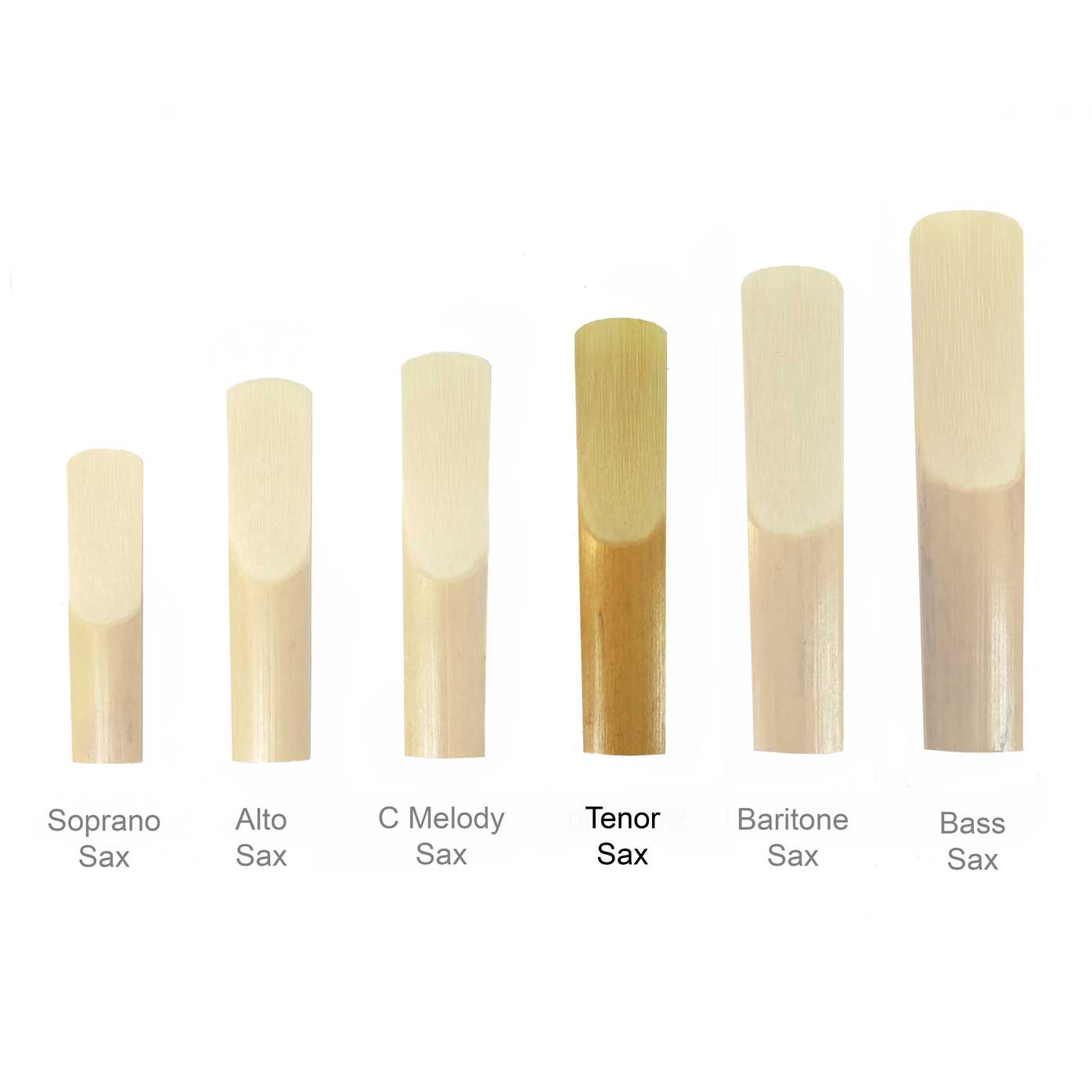
Not all reeds are born equal. The cane’s origin, cut, and treatment can make it a diva or a workhorse. European cane, for example, is prized for its density and consistency, while American cane tends to be more forgiving but less durable. Then there’s the fiber alignment—how the cane is sliced during manufacturing. A reed cut with the grain will last longer than one cut against it, as the fibers resist splitting.
But here’s a secret most players overlook: the thickness profile. A reed with a thicker spine (the center strip) will hold up better to humidity changes than a flat one. It’s like the difference between a sturdy oak and a flimsy willow. If you’re struggling with reeds dying too soon, try switching brands or cuts. Sometimes, the answer isn’t better storage—it’s better reeds.
The Final Note: Your Reed’s Lifespan Is in Your Hands
So, why do your saxophone reeds keep dying? Because you’re fighting a war on multiple fronts—humidity, breath, storage, and even the reeds themselves. The good news? You’re now armed with the knowledge to outsmart the system. Swap your silica gel for a smarter humidity solution. Rotate your reeds like a pro. Store them in a climate-controlled sanctuary. And most importantly, treat each reed like the delicate, living thing it is.
Your reeds aren’t doomed. They’re just waiting for you to give them the care they deserve. And when you do? You’ll hear the difference in your tone, feel it in your endurance, and save a fortune in replacements. Now go forth and let your reeds sing.


Leave a Comment