

In the dim glow of a studio mirror, where sweat and silence collide, lies a movement so primal, so visceral, it feels like the body is remembering something ancient. The Martha Graham Contraction isn’t just a technique—it’s a seismic shift in how you inhabit your flesh, a rebellion against the stiff, linear motions that dominate modern life. Born from the raw, untamed energy of the pelvis, this release technique doesn’t just stretch muscles; it unravels the very architecture of tension, inviting you to move from the core of your being rather than the periphery. Imagine a wave cresting not from the shore, but from the depths of the ocean floor, where the earth itself trembles. That’s the power of the Contraction—a movement that doesn’t just bend the spine; it bends perception, revealing a body that breathes, aches, and ultimately, *releases*.
This isn’t about perfecting a shape. It’s about surrendering to the body’s innate wisdom, where every exhale becomes a portal to a deeper understanding of strength and vulnerability. The Contraction is the antithesis of the rigid, controlled postures that society demands. It’s a whisper from the womb of movement itself, a reminder that the body knows how to heal long before the mind does. When you surrender to its pull, you don’t just feel lighter—you *become* lighter, unburdened by the weight of expectations, the tyranny of posture, the illusion of perfection. The Graham Contraction is more than a technique; it’s a revolution in how you move, how you feel, and ultimately, how you exist in the world.
The Womb as the Epicenter of Movement: Why the Pelvis Holds the Key to Release
To understand the Contraction, you must first understand the pelvis—not as a bony cage, but as a living, breathing vessel of primal energy. The pelvis is the body’s compass, the axis around which all movement orbits. In Graham’s philosophy, it is the birthplace of emotion, the crucible where fear, desire, and release are forged. The Contraction begins here, in the deep, involuntary muscles that coil around the sacrum like a sleeping serpent. When you initiate the movement from this core, you’re not just bending your spine—you’re awakening a dormant power, one that has been suppressed by centuries of rigid posture and societal conditioning.
The pelvis is where the body’s most ancient memories reside. Think of it as the body’s second brain, a center of intuition and instinct that predates language, thought, and even civilization. When you contract from this space, you’re tapping into a wellspring of raw, unfiltered energy. It’s not about control; it’s about *surrender*. The pelvis doesn’t lie. It doesn’t perform. It *is*. And when you move from this truth, the Contraction becomes more than a technique—it becomes a rebirth.

The Alchemy of Exhalation: How Breath Transforms Contraction into Release
Breath is the invisible thread that weaves the Contraction into a tapestry of release. But not just any breath—this is the kind of exhale that feels like a deflating balloon, the kind that unravels the spine from the inside out. In Graham’s technique, the breath isn’t a tool; it’s the *engine*. The inhale gathers energy, but it’s the exhale that ignites the Contraction, pulling the torso inward like a fist clenching around a secret. This isn’t the shallow, chest-based breathing of modern life. This is a deep, visceral expulsion, a soundless scream that cleaves the body open.
When you exhale into the Contraction, you’re not just emptying your lungs—you’re evacuating the noise of the external world. The breath becomes a vacuum, sucking the tension from your muscles, your joints, your very bones. It’s a paradox: the more you contract, the more you release. The spine doesn’t just bend; it *unfolds*. The shoulders don’t just drop; they *dissolve*. This is the alchemy of Graham’s method—where the act of constriction births liberation. The breath is the catalyst, the silent partner in a dance that transcends the physical and touches the spiritual.
The Spine as a River: Navigating the Currents of Tension and Flow
The spine is not a rigid column; it’s a river, a living, undulating force that bends and twists with the currents of emotion. In the Contraction, the spine doesn’t just curve—it *ripples*. Each vertebra becomes a wave, cresting and falling in response to the breath, the pelvis, the weight of the body. This is not the stiff, segmented spine of classical ballet. This is a spine that *breathes*, that *sighs*, that moves with the unpredictability of a living thing.
To master the Contraction, you must learn to ride the spine’s currents. The movement isn’t linear; it’s cyclical, like the tides. You contract on the exhale, but the release doesn’t come until you’ve fully surrendered to the pull. The spine doesn’t snap back into place—it *unfurls*, like a flag catching the wind. This is where the magic happens. The body doesn’t just relax; it *reconfigures*. The shoulders soften. The jaw unclenches. The mind, for a fleeting moment, falls silent. The spine becomes a conduit for something deeper—a connection to the earth, to the breath, to the pulse of life itself.
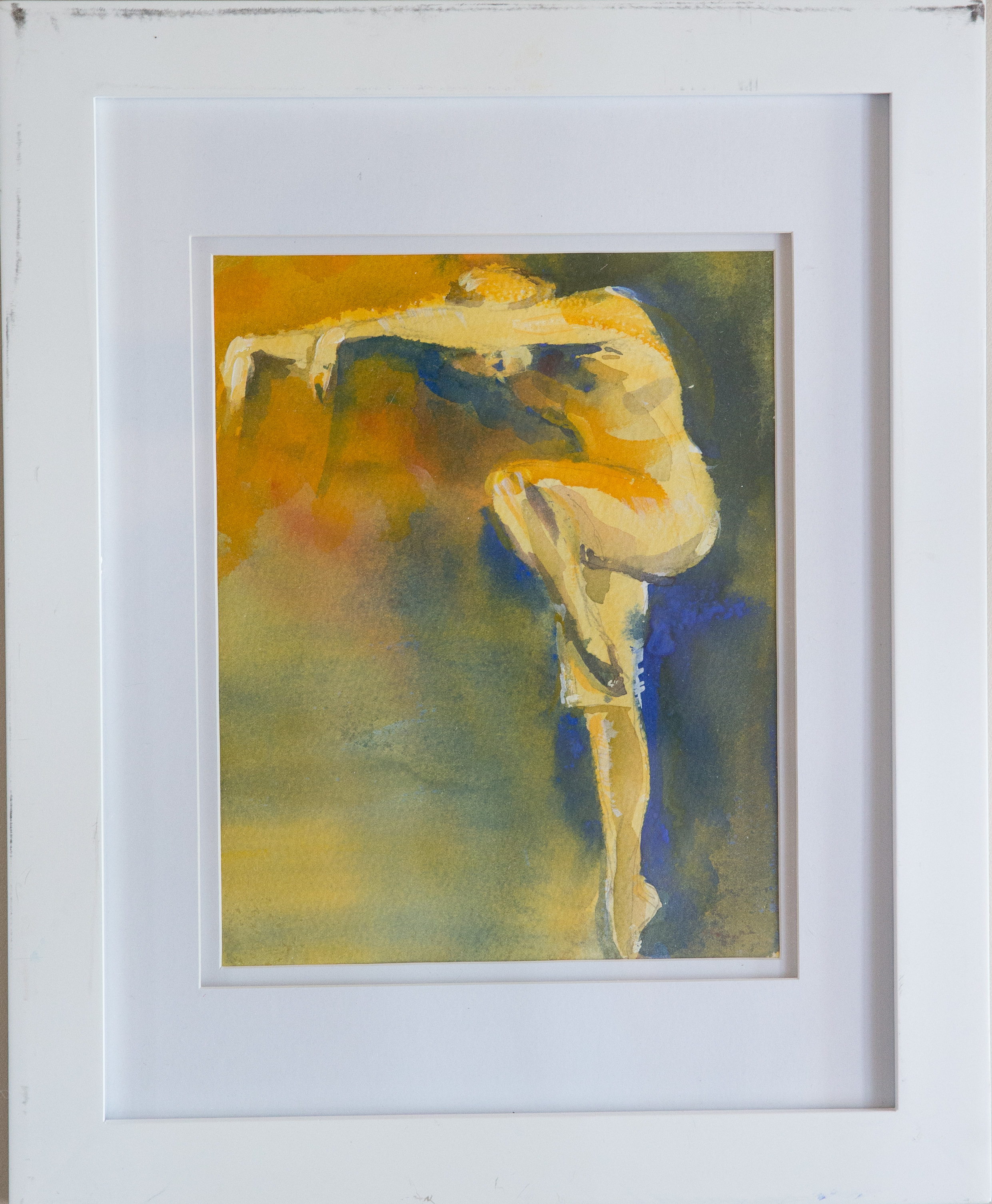
The Hands as Anchors: Grounding the Contraction in the Physical World
In Graham’s technique, the hands are not mere extensions of the arms—they are anchors, roots that tether the body to the earth. When you press your palms into your thighs during the Contraction, you’re not just creating resistance; you’re forging a connection. The hands become the body’s compass, guiding the spine’s descent into the pelvis’s embrace. They are the bridge between the internal and the external, the tangible and the intangible.
The pressure of the hands isn’t forceful; it’s *insistent*. It’s the difference between pushing and *leaning*. When you lean into the Contraction with your hands, you’re not fighting the movement—you’re *surrendering* to it. The resistance becomes a dialogue, a conversation between the body’s desire to collapse and its need to rise. The hands ground the Contraction, preventing it from becoming a hollow shape, a mere imitation of the technique. They remind you that this is not an abstract exercise—it’s a physical, visceral experience, one that demands your full participation.
From Contraction to Expansion: The Paradox of Graham’s Release
The Contraction is not an end in itself. It’s a prelude, a necessary darkness before the light of release. The true magic of Graham’s technique lies in the transition—the moment when the body, having fully contracted, begins to *unwind*. This is where the shift in perspective occurs. The Contraction isn’t just a movement; it’s a revelation. It shows you the body’s capacity for both constriction and liberation, for holding and releasing, for pain and ecstasy.
The expansion that follows the Contraction isn’t a simple straightening of the spine. It’s a *rebirth*. The body doesn’t just return to neutral—it *reconfigures*. The shoulders broaden. The chest opens. The breath deepens. This is the Graham paradox: the more you contract, the more you expand. The more you surrender, the more you find. It’s a lesson in duality, a reminder that life is not a series of opposites but a dance between them. The Contraction teaches you that release isn’t the absence of tension—it’s the mastery of it.
The Emotional Landscape of the Contraction: A Body That Remembers
The Graham Contraction isn’t just a physical technique—it’s an emotional excavation. Every contraction is a doorway into the body’s subconscious, a chance to confront the stored tensions of a lifetime. The pelvis, the spine, the breath—these are not just anatomical structures. They are vessels of memory, repositories of joy, sorrow, fear, and desire. When you move from this space, you’re not just dancing; you’re *remembering*.
This is where the technique transcends the studio and becomes a tool for living. The Contraction doesn’t just release muscle tension—it releases emotional blockages. The body, when given the space to contract fully, will also give the space to release fully. It’s a catharsis, a moment of raw honesty where the body speaks in a language older than words. And when you listen, when you truly *hear* what the body is saying, something shifts. The mind quiets. The heart opens. The spirit soars.
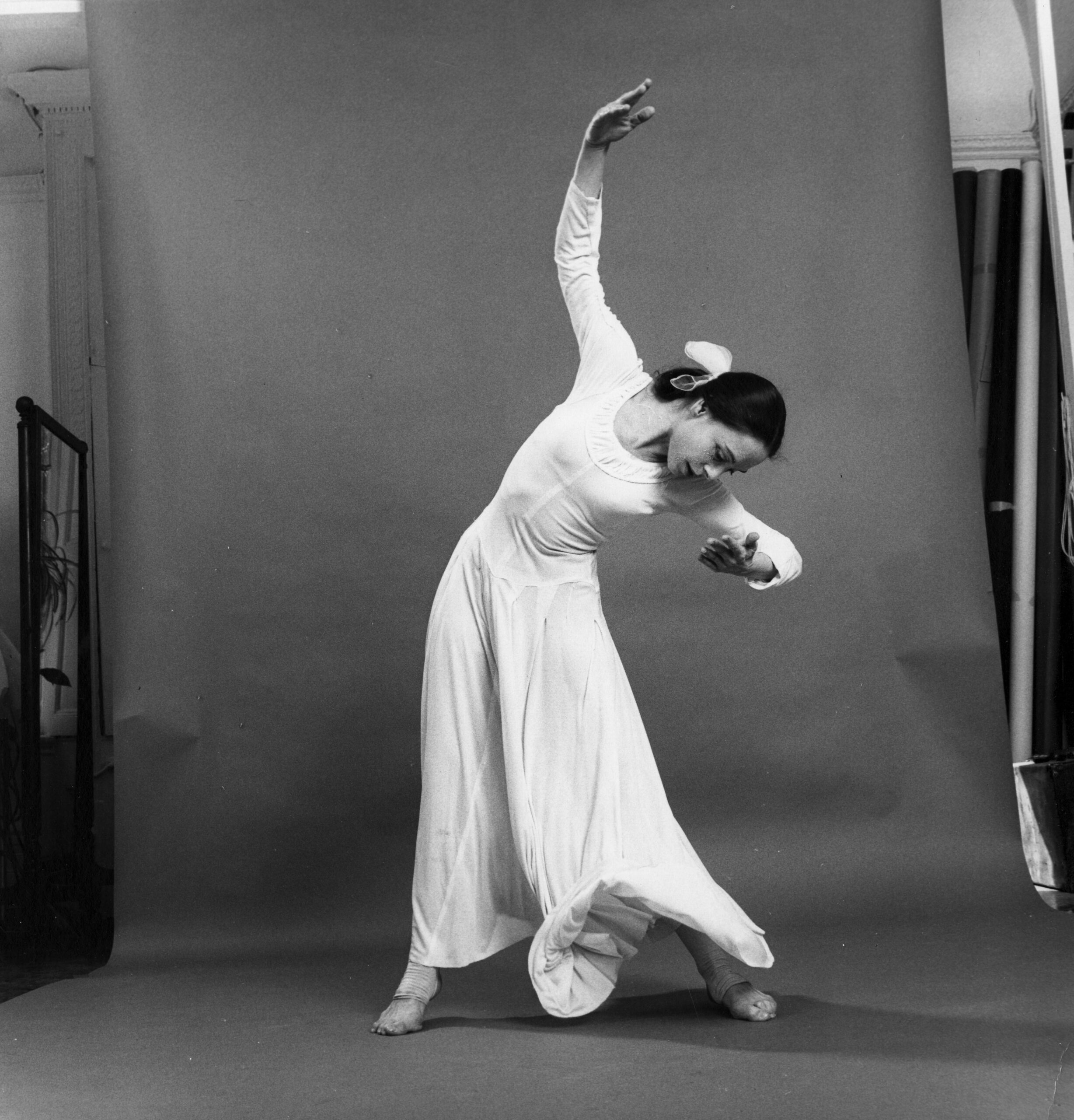
The Martha Graham Contraction is not for the faint of heart. It demands your full presence, your willingness to surrender, your courage to feel. It’s not about looking graceful—it’s about being *alive*. When you move from the womb of your pelvis, when you exhale into the depths of your spine, when you let the Contraction unravel you, you’re not just dancing. You’re remembering what it means to be human—to hold, to ache, to release, and to rise again. This is not a technique. It’s a revelation. And once you’ve felt its power, you’ll never move the same way again.


Leave a Comment