

Lighting a thrust stage is like painting with shadows and beams—every angle tells a story, yet the canvas has no back wall to hide your brushstrokes. The absence of a traditional backdrop forces designers to think beyond the obvious, transforming limitations into opportunities for innovation and intimacy. In this space, the audience becomes part of the narrative, not just spectators but witnesses to a carefully choreographed interplay of light and presence. The challenge isn’t just technical; it’s emotional, a puzzle where every solution reveals something deeper about how we perceive space and connection.
The Illusion of Depth: Crafting a Three-Dimensional Canvas
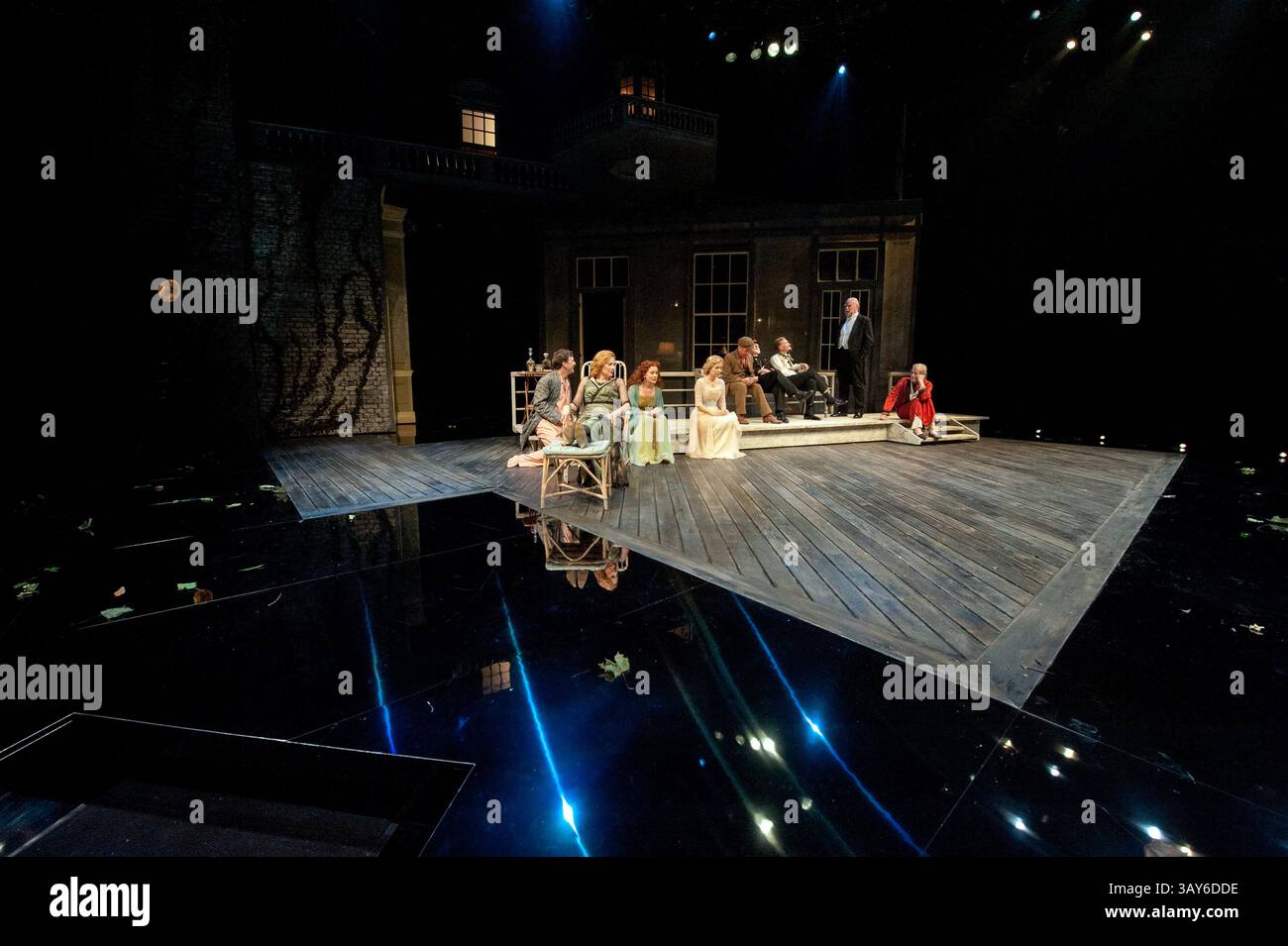
On a thrust stage, the lack of a back wall means lighting must create the illusion of depth where none physically exists. Designers often employ a technique called layered illumination, where multiple light sources at varying angles and intensities build a sense of volume. Front lights, side lights, and overhead wash lights work in concert to sculpt the actor’s presence, making them appear to emerge from an unseen horizon. The key lies in contrast—soft pools of light in the foreground can recede into darkness, while brighter, focused beams in the mid-ground draw the eye forward, mimicking the natural recession of space.
Consider the way a single shaft of sunlight might pierce through a forest canopy, illuminating only a fragment of the world while leaving the rest to mystery. On a thrust stage, lighting must achieve a similar effect, but with precision. Gobos—metal or glass templates placed in front of lights—can project patterns like dappled leaves or abstract shapes, adding texture to the void. These subtle details transform the flat expanse of the stage into a living, breathing environment, even when the backdrop is nothing more than air.
Embracing the Audience: Lighting as an Invitation
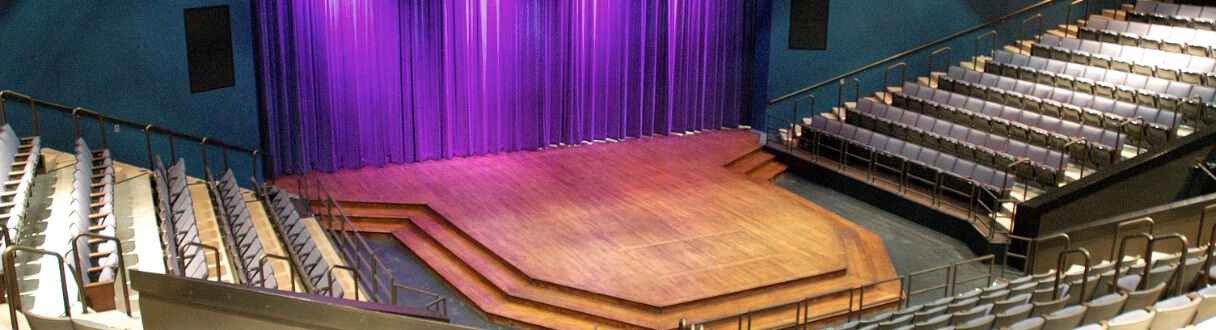
The most striking aspect of lighting a thrust stage is its ability to dissolve the barrier between performer and spectator. Unlike a proscenium stage, where the fourth wall is a rigid divide, the thrust stage invites the audience into the action. Lighting must reflect this intimacy, often using audience-focused fixtures—small, unobtrusive lights mounted on the audience’s side of the stage to gently illuminate performers from unexpected angles. These lights can create a halo effect, making actors appear to glow from within, or they can cast long, dramatic shadows that stretch toward the audience, pulling them into the scene.
There’s a psychological undercurrent here, too. Studies in environmental psychology suggest that humans are naturally drawn to light, a phenomenon known as phototropism. On a thrust stage, strategic lighting can guide the audience’s attention like a silent conductor, subtly directing their focus from one performer to another. A sudden shift from warm to cool tones can evoke a change in mood, while a slow fade can signal the passage of time. The absence of a back wall isn’t a void—it’s a canvas for connection, where light becomes the bridge between story and observer.
The Dance of Shadows: When Darkness Becomes a Character
In the absence of a back wall, shadows take on a life of their own. They stretch, twist, and dissolve, becoming as much a part of the performance as the actors themselves. Designers often use negative lighting—areas intentionally left in darkness—to create pockets of mystery. A character might step into a pool of light, only for their silhouette to linger in the shadows, their presence felt but unseen. This interplay between light and shadow can evoke a sense of foreboding, nostalgia, or even transcendence, depending on how it’s wielded.
Consider the way a lone streetlamp illuminates a foggy night, casting long, wavering shadows that seem to move on their own. On a thrust stage, lighting designers can replicate this effect with moving lights or automated fixtures that shift in real time, responding to the actors’ movements. The result is a dynamic, almost cinematic experience, where the audience is constantly reminded of the ephemeral nature of light—how it can appear and disappear in an instant, leaving only echoes of its presence.
Color as a Silent Storyteller
Color in thrust stage lighting isn’t just decorative—it’s a narrative device. Without a back wall to anchor a scene, color becomes the primary tool for setting the emotional tone. Warm hues like amber and gold can evoke nostalgia or comfort, while cool blues and greens might suggest detachment or unease. Designers often use color mixing to create custom palettes that shift seamlessly throughout a performance, guiding the audience’s emotional journey without a word.
Take, for example, a scene transitioning from joy to sorrow. A sudden shift from golden sunlight to a deep, bruise-like purple can convey the weight of loss without a single line of dialogue. On a thrust stage, where the audience is in close proximity to the action, color becomes an intimate language, speaking directly to their subconscious. The lack of a back wall means there’s nowhere for the eye to rest—every shift in hue pulls the audience deeper into the story, making them complicit in the unfolding drama.
The Technical Tightrope: Balancing Practicality and Poetry
Of course, lighting a thrust stage isn’t just about artistry—it’s a technical tightrope walk. Designers must contend with the harsh realities of stage mechanics, from the placement of lighting bars to the limitations of fixture mobility. The absence of a back wall means every light must be carefully calibrated to avoid glare or unintended spill, which can distract from the performance. Barn doors and top hats—accessories that shape and control light beams—become essential tools, allowing designers to carve out precise areas of illumination.
There’s also the challenge of consistency. Unlike a proscenium stage, where lighting can be more static, a thrust stage requires dynamic adjustments to account for the audience’s shifting perspective. A light that looks perfect from the center might cast unflattering shadows from the sides. Designers often use 3D modeling software to simulate the space before the first cue is ever set, testing how light behaves from every angle. It’s a process of trial and error, where the smallest tweak can make the difference between a moment that resonates and one that falls flat.

The Unseen Magic: How Light Shapes Memory
Perhaps the most fascinating aspect of lighting a thrust stage is its ability to etch itself into the audience’s memory. Studies in neuroscience suggest that light triggers the release of dopamine, the brain’s “feel-good” chemical, which enhances our ability to recall experiences. On a thrust stage, where every beam and shadow is meticulously crafted, the lighting becomes a silent storyteller, imprinted on the audience’s minds long after the final bow.
There’s a reason why certain theater experiences linger in our memories like half-remembered dreams. It’s not just the actors or the script—it’s the way light guided our gaze, the way shadows made us lean in, the way color shifted our emotions without a word. On a thrust stage, lighting isn’t just a technical requirement; it’s the invisible thread that weaves the entire experience together. Without a back wall to hide behind, designers are forced to confront the raw power of light—its ability to reveal, conceal, and transform in an instant.
The next time you find yourself in a thrust stage production, take a moment to look beyond the actors. Notice how the light moves, how it shapes the space, how it makes you feel. In that moment, you’re not just an audience member—you’re a participant in a carefully orchestrated dance, where every beam of light is a step, every shadow a whisper, and the absence of a back wall isn’t a limitation, but an invitation to see the world—and the story—anew.


Leave a Comment