

The electric cello is not just another instrument—it’s a sonic rebellion, a bridge between tradition and chaos, a whisper of Bach in a room full of distortion pedals. It’s the sound of a cello that refuses to be tamed, that growls like a beast when fed through a stack of amps, that weeps like a siren when plugged into a fuzz box. To the purists, it’s sacrilege. To the rebels, it’s liberation. And somewhere in the middle, there’s a sound so raw, so unapologetically electric, that it makes even the most stoic classical musicians pause and listen.
But why does this fusion of ancient craftsmanship and modern fury captivate us so deeply? Why does the electric cello—when unleashed with distortion—feel like both a violation and a revelation? The answer lies not just in the instrument itself, but in the way it forces us to confront the boundaries of what music can be.
The Electric Cello: A Betrayal or a Revolution?
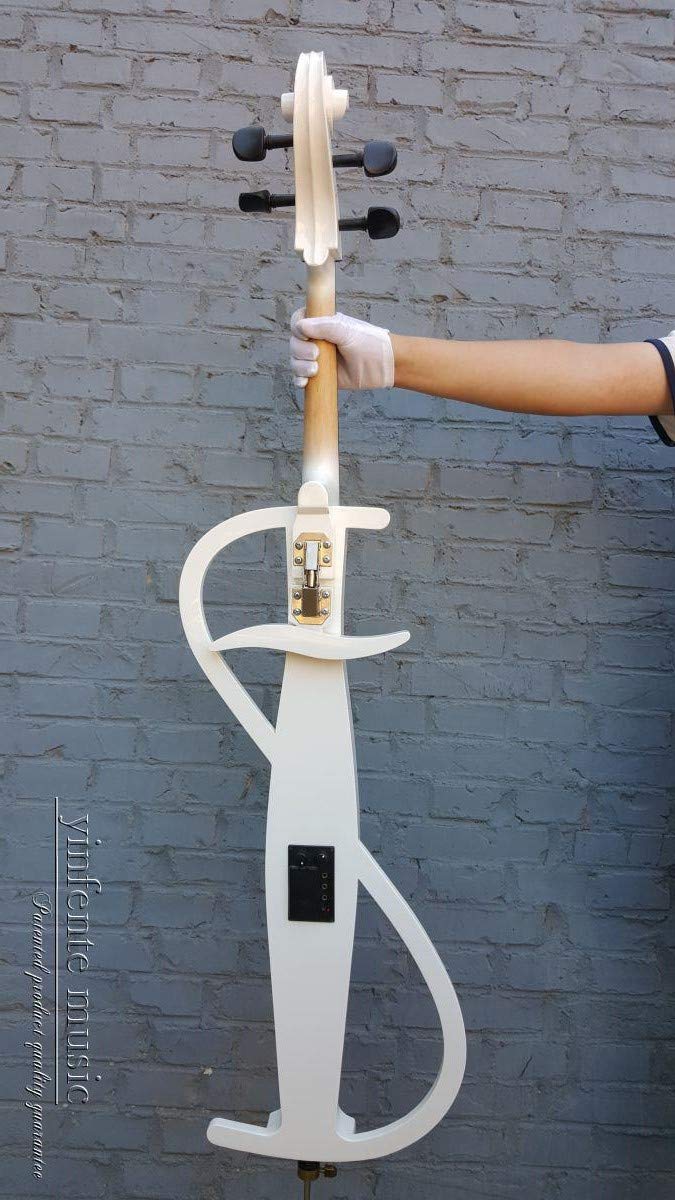
The electric cello is, at its core, a paradox. It’s a descendant of the 17th-century violoncello, a noble instrument designed to resonate within the hushed halls of concertos and sonatas. Yet, when amplified and fed through a pedal chain, it becomes something else entirely—a creature of the electric age, capable of producing tones that would make even the most avant-garde composers of the Baroque era clutch their wigs in horror.
Traditional cellists often bristle at the idea. To them, the electric cello is a dilution of the instrument’s soul, a cheap imitation that sacrifices depth for convenience. But when distortion enters the equation, the debate intensifies. The warm, woody resonance of a cello, when saturated with fuzz, overdrive, or even a simple boost, transforms into something primal. It’s no longer the voice of a refined aristocrat—it’s the growl of a street fighter, the howl of a storm given form.
The Alchemy of Distortion: How a Bowed Instrument Learns to Scream
Distortion is not just volume—it’s transformation. It’s the moment when a signal is pushed beyond its limits and, in doing so, reveals a hidden spectrum of sound. For the electric cello, this alchemy is particularly potent because of its natural resonance. The cello’s body, even when unplugged, is a resonant chamber, a vessel for vibrations that can be coaxed into new dimensions with the right processing.
When a distortion pedal is engaged, the cello’s midrange frequencies bloom, its harmonics multiply like fractals, and its sustain stretches into infinity. A single note can become a wall of sound, a drone that lingers in the air like a ghost. The bow, already a tool of infinite expression, now has the power to conjure textures that range from glassy shards to molten lava.
This is where the magic—and the controversy—lies. A cello playing a Bach suite with distortion is no longer a historical artifact; it’s a living, breathing entity that refuses to be confined by the expectations of the past. It’s the sound of a musician saying, “I will not play by your rules.”
The Purists’ Dilemma: Can a Cello Be Both Sacred and Profane?
To the purists, the electric cello with distortion is a desecration. They argue that the instrument’s voice is meant to be pure, untainted by the grit of modern amplification. They point to the centuries of tradition, the meticulous craftsmanship of luthiers, the sacred space of the concert hall. To them, distortion is noise, a corruption of the cello’s true nature.
But the purists are missing the point. The electric cello is not a replacement for the acoustic cello—it’s an evolution. It’s a tool for a new generation of musicians who see no contradiction in blending the old with the new. The distortion doesn’t erase the cello’s heritage; it amplifies it, revealing layers of sound that were always there but never before fully explored.
Consider the work of artists like L. Subramaniam, who blends Indian classical music with jazz and electronic elements, or Stochastic Collapse, whose experimental cello work incorporates glitchy, distorted textures. These musicians aren’t rejecting tradition—they’re expanding it, proving that the cello’s voice is as limitless as the imagination of the player.
The Live Experience: When the Cello Becomes a Beast
There’s something visceral about hearing an electric cello unleashed live, especially when it’s pushed through a wall of distortion. The audience doesn’t just hear the music—they feel it in their bones. The low-end rumble of a distorted cello can make the floor vibrate, while the high-end harmonics pierce through the air like lightning. It’s not just sound; it’s an experience.
In a live setting, the electric cello with distortion becomes a spectacle. The player’s movements are exaggerated, the bow strokes more aggressive, the expressions more intense. It’s theater as much as it is music. And for those who’ve only heard the cello in the sterile confines of a concert hall, this raw, unfiltered power can be revelatory.
Imagine a cello cover of a metal song, where the distortion swallows the original melody but gives birth to something entirely new. Or a solo performance where the cello’s voice oscillates between a mournful cry and a screeching wail, all within the span of a single phrase. This is the electric cello’s true power—it doesn’t just play music; it creates a world.
The Future of the Electric Cello: A Canvas for the Unconventional
The electric cello is still a relatively young instrument, and its potential is only beginning to be explored. With advancements in technology, players now have access to a dizzying array of effects—delay, reverb, bitcrushing, granular synthesis—that can transform the cello into a completely unrecognizable entity. The line between acoustic and electronic is blurring, and the cello is at the forefront of this sonic revolution.
For composers, the electric cello offers a playground of possibilities. It can mimic the growl of a bass guitar, the shimmer of a synth, or the unpredictable chaos of a prepared instrument. It can be a solo voice or a driving force in a band. It can be played with a bow, plucked like a bass, or even struck with mallets for percussive effects.
And as more musicians embrace the electric cello, the purists’ objections will inevitably fade. The instrument’s versatility ensures its place in the modern musical landscape, whether in avant-garde jazz, experimental rock, or even film scores where unconventional sounds are prized.
Why We Can’t Look Away
At its heart, the fascination with the electric cello—and its distorted alter ego—is about more than just sound. It’s about the thrill of breaking rules, the joy of reinvention, and the endless possibilities that emerge when tradition meets innovation.
The cello, with its rich history and deep resonance, is the perfect vessel for this exploration. It’s an instrument that has carried the weight of centuries, yet when plugged into a distortion pedal, it sheds that weight and becomes something wild, something free. It’s no wonder that both purists and rebels are drawn to it—because in the end, the electric cello is a mirror. It reflects not just the music we make, but the way we choose to make it.
So the next time you hear an electric cello screaming through a stack of amps, don’t dismiss it as noise. Listen closely. It’s not just a cello—it’s a statement. It’s a challenge. It’s the sound of music refusing to stand still.


Leave a Comment