

Before the spotlight hits, your breath turns shallow. Your chest tightens like a drumhead stretched too far. The audience blurs into a sea of expectant faces, and suddenly, your lungs forget how to cooperate. Pre-show anxiety isn’t just nervousness—it’s a physiological ambush, a full-body betrayal that hijacks your voice, posture, and confidence before you’ve even begun. But what if I told you there’s a hyperventilation cure that doesn’t just mask the symptoms but rewires your body’s response from the inside out? One that turns panic into power, not paralysis? This isn’t about suppressing your body’s signals. It’s about understanding them—and using them to your advantage.
Imagine standing backstage, heart hammering like a metronome set to frenzy, only to feel a sudden calm wash over you—not despite the adrenaline, but because of it. That’s the paradox of the hyperventilation cure we’re about to explore. It’s counterintuitive. It’s science-backed. And it’s the secret weapon performers, speakers, and high-stakes professionals swear by when the weight of expectation feels unbearable. Let’s dive into how this method doesn’t just calm you down—it transforms your entire pre-performance ritual into a ritual of resilience.
The Myth of “Just Calm Down”: Why Willpower Fails When You Need It Most
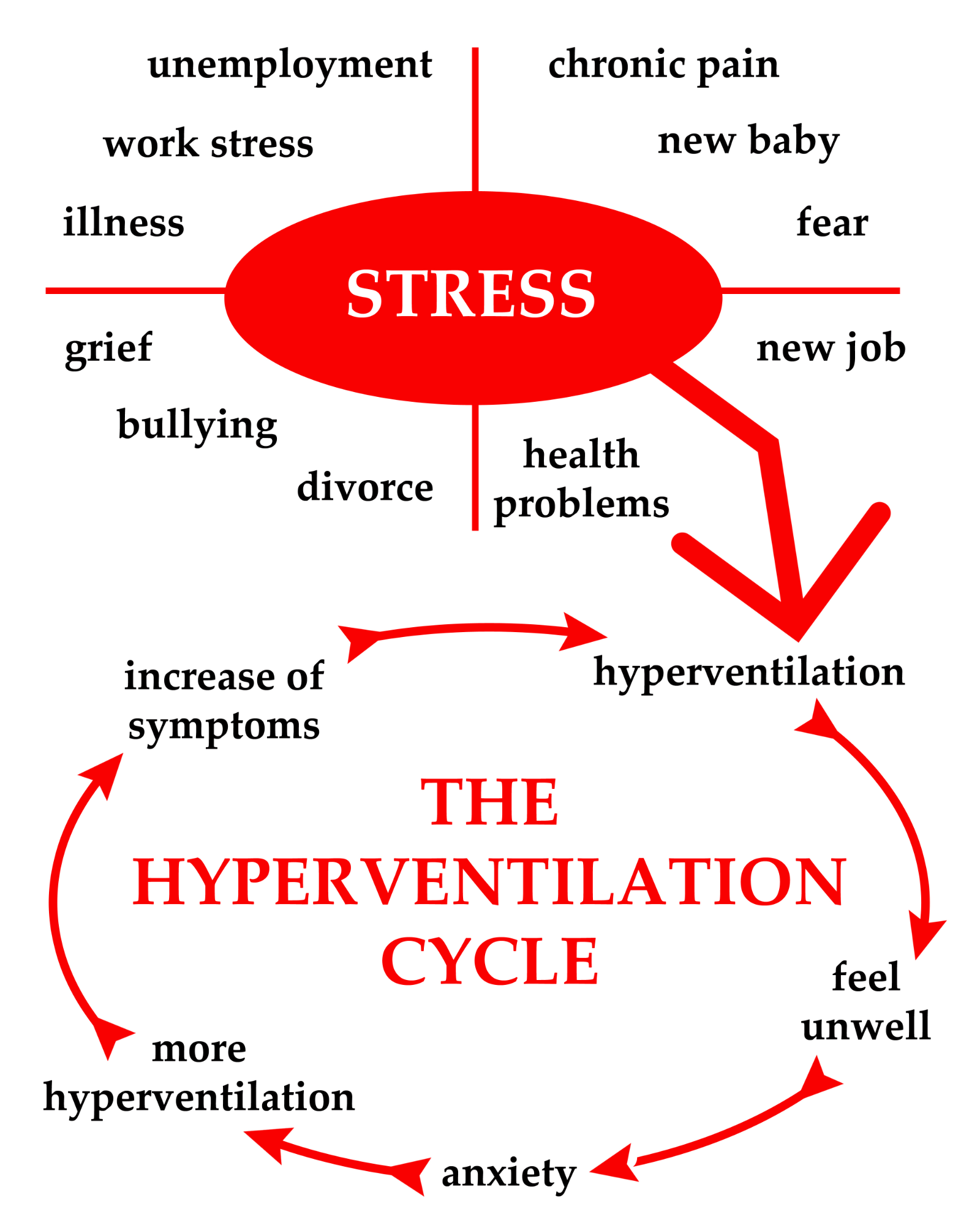
We’ve all heard it: “Just take a deep breath.” But when your nervous system is already in overdrive, that advice feels like telling someone with a broken leg to “just walk it off.” Hyperventilation isn’t a sign of weakness—it’s a sign your body is overcorrecting for perceived danger. When anxiety spikes, your breath becomes rapid and shallow, flushing out too much carbon dioxide. The result? A bloodstream awash in alkalinity, muscles tensing, fingers tingling, and your mind spiraling into catastrophic thinking. Willpower alone can’t reverse this biochemical storm. What you need is a targeted intervention—one that respects the body’s panic response while gently guiding it back to equilibrium.
The hyperventilation cure we’re discussing doesn’t fight the body’s signals. It decodes them. It teaches you to recognize the early tremors of panic not as enemies, but as messengers—alerts that something important is happening. Instead of resisting the adrenaline surge, you learn to channel it. Instead of clamping down on your breath, you regulate it with precision. This isn’t suppression. It’s strategic alignment. And it begins with understanding the breath as both a barometer and a balm.
The Science of Breath: How Controlled Hyperventilation Can Reboot Your System
Here’s where things get fascinating. Most advice tells you to slow your breathing during panic. But what if I told you that a carefully timed cycle of controlled hyperventilation—followed by deliberate breath retention—can actually reset your autonomic nervous system? This method, rooted in yogic pranayama and refined by modern breathwork science, leverages the body’s natural reflexes to induce calm. When you intentionally over-oxygenate, you trigger the vagus nerve, which in turn activates the parasympathetic system—the “rest and digest” mode your body desperately needs mid-crisis.
Let’s break it down. During a hyperventilation episode, your blood pH rises, causing vasoconstriction and muscle spasms. But when you practice controlled cycles—say, 30 seconds of rapid, deep breathing followed by 60 seconds of breath retention—you create a deliberate biochemical reset. The retention phase allows carbon dioxide to rebuild, normalizing pH and signaling safety to your brain. It’s like rebooting a computer: you force a temporary overload to clear the cache and restore optimal function. The result? A nervous system that’s not just calm, but recalibrated—primed for performance, not paralysis.

From Panic to Power: Turning Anxiety Into a Performance Enhancer
What if your pre-show jitters weren’t the enemy, but the fuel? High performers from athletes to musicians have long known that anxiety isn’t a flaw—it’s a signal that something meaningful is on the line. The key isn’t eliminating the sensation, but transforming its expression. Enter the hyperventilation cure as a performance catalyst. By practicing this technique in the days leading up to your event, you train your body to associate rapid breathing with control, not catastrophe. You learn to ride the wave instead of fighting it.
Try this: In the week before your performance, set aside five minutes daily to practice the cycle—30 seconds of forceful inhales and exhales through the nose, followed by 60 seconds of gentle breath retention. Do this while standing, eyes closed, visualizing the stage. Notice how your body responds not with dread, but with readiness. Over time, your brain begins to decouple the physical sensation of hyperventilation from the emotional charge of fear. It learns: “This is just breath. This is just energy. I can direct it.” And that’s when the magic happens. Instead of shrinking from the adrenaline, you harness it. Your voice gains resonance. Your movements become fluid. Your presence commands attention—not because you’re fearless, but because you’ve mastered the art of turning fear into focus.
The Ritual of Resilience: Building a Pre-Performance Routine That Works
A cure isn’t a one-time fix. It’s a ritual. And rituals are built on repetition, intention, and sensory anchors. Your pre-performance routine should be more than a checklist—it should be a symphony of cues that signal to your body: “We are safe. We are prepared. We are ready.” Start with the breathwork. Pair it with a physical anchor—a specific stretch, a mantra, or even a piece of music that grounds you. Over time, your nervous system will associate these cues with calm, making the transition from backstage to spotlight smoother with each use.
But don’t stop at breath. Incorporate movement. Gentle yoga poses like Child’s Pose or Cat-Cow can release tension in the diaphragm, the very muscle that often seizes during panic. Humming or chanting can stimulate the vagus nerve, further lowering heart rate. Even the temperature of your water matters—sipping something cool and grounding can anchor you in the present. The goal isn’t perfection. It’s progress. Each element of your routine should feel like a step toward mastery, not a test of endurance.
When to Use This Cure—and When to Seek Support
While the hyperventilation cure is powerful, it’s not a universal solution. If your anxiety is accompanied by chest pain, dizziness, or a sense of unreality, seek medical attention immediately. These could signal an underlying condition like panic disorder or cardiac issues. This method is best for situational anxiety—those moments when your body overreacts to the pressure of performance, not when it’s trapped in a cycle of chronic distress. Always consult a healthcare professional if you’re unsure.
And remember: this isn’t about becoming emotionless. It’s about becoming emotion-aware. The goal isn’t to erase the butterflies, but to teach them to fly in formation. To transform the flutter in your stomach from a sign of fear into a sign of aliveness. That’s the real hyperventilation cure—not the absence of panic, but the presence of power.
So the next time you feel your breath quicken before stepping into the light, don’t fight it. Guide it. Use it. Let those rapid inhales and exhales become the rhythm of your resilience. Because the stage isn’t just a place to perform. It’s a place to prove to yourself that you can turn your body’s alarms into your greatest ally. And that, dear performer, is the art of the hyperventilation cure.


Leave a Comment