

Have you ever scrolled through a romance novel’s reviews, only to find readers gushing over the same tired tropes—enemies-to-lovers, fake dating, forced proximity—while a fresh, hyper-specific micro-trope lurks in the shadows, practically begging to be discovered? What if the secret to writing a bestseller isn’t mastering the broad strokes of a genre, but instead, zeroing in on the delightfully niche micro-tropes that make readers’ hearts race faster than a slow-burn kiss in a rainstorm? Let’s unravel why these tiny narrative gems outsell their genre counterparts, and how you can wield them like a literary alchemist.
Imagine this: You’re browsing a bookstore, your fingers trailing over spines like a detective solving a mystery. One cover promises a “duke with a secret identity”, another a “barista who writes poetry in secret”. Which one makes you pause? The latter, perhaps, because it’s not just another duke—it’s a duke with a hidden artistic soul, a micro-trope so specific it feels like a secret handshake between writer and reader. That’s the power of niche micro-tropes: they don’t just fit into a genre; they redefine it, one quirky detail at a time.

The Alchemy of Specificity: Why Micro-Tropes Captivate Faster
At first glance, broad genre tropes like “only one bed” or “marriage of convenience” seem like the tried-and-true engines of romance. They’re familiar, comforting, and—let’s be honest—easy to execute. But familiarity breeds predictability, and predictability is the enemy of reader engagement. Micro-tropes, on the other hand, are the spice that turns a predictable dish into a gourmet feast. They answer the unspoken question every reader asks: “Why should I care about this story?”
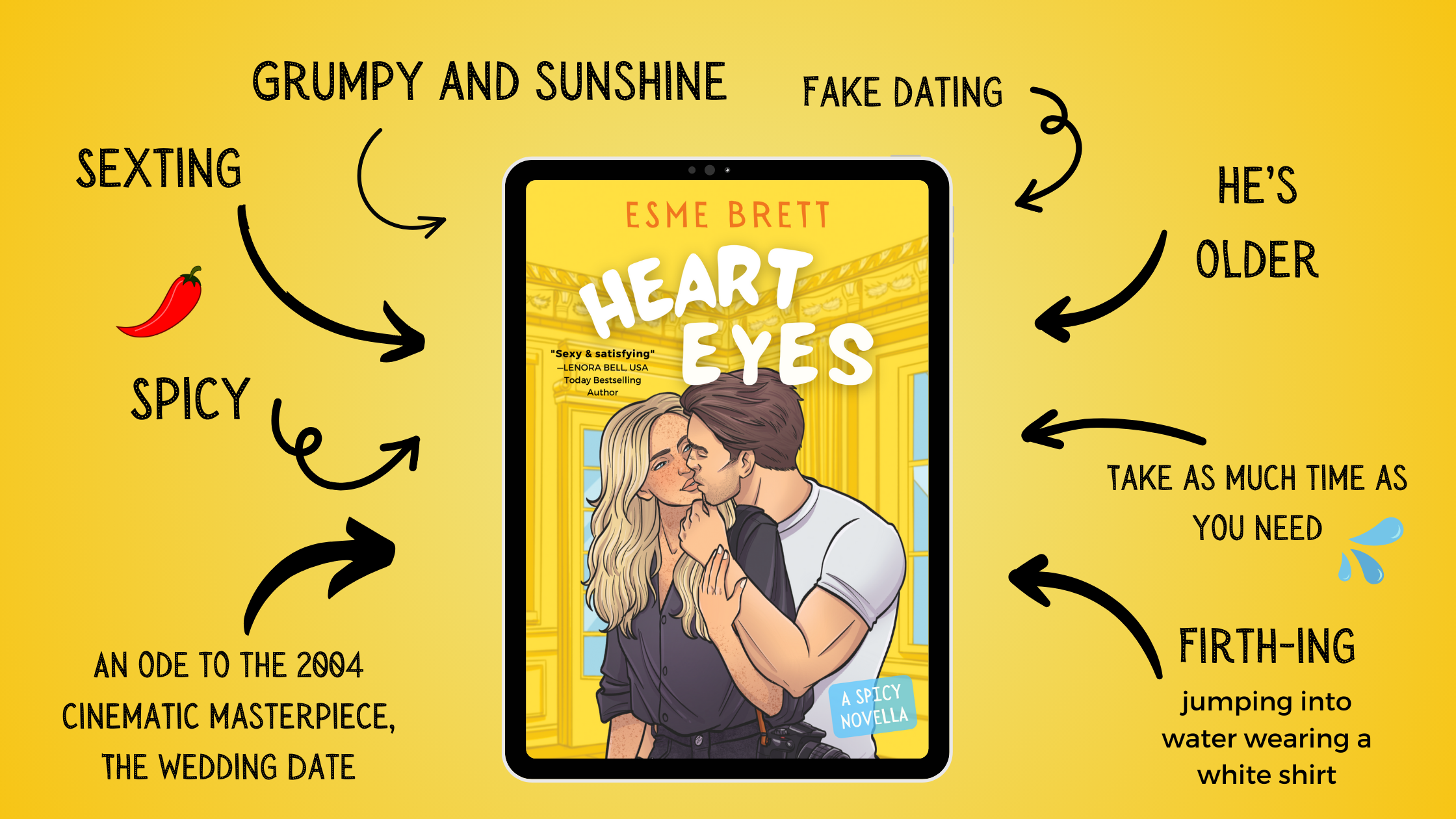
Consider the difference between a “fake dating” trope and a “fake dating where the couple pretends to be engaged to a third party to secure a business deal”. The latter isn’t just fake dating—it’s fake dating with stakes that feel tangible, even urgent. It’s a micro-trope that transforms a familiar setup into something fresh, because it introduces a unique conflict: the looming threat of a real engagement if the ruse fails. Readers don’t just want to see characters fall in love; they want to see them navigate a labyrinth of absurd, high-stakes lies. Micro-tropes provide that labyrinth, and in doing so, they turn passive readers into active participants in the story.
There’s a psychological phenomenon at play here, too. Our brains are wired to seek patterns, but they also crave novelty. Micro-tropes strike the perfect balance: they offer enough familiarity to feel safe, but enough novelty to feel exciting. It’s like finding a familiar melody in a song you’ve never heard before—your brain lights up with recognition, but your curiosity is piqued because the arrangement is new. This duality is why micro-tropes sell faster: they’re the literary equivalent of comfort food with a twist, the cozy mystery where the detective is also a baker, the fantasy novel where the hero is a librarian instead of a chosen one.
The Viral Potential of Micro-Tropes: How Tiny Details Spark Big Buzz
In the age of social media, where readers flock to platforms like TikTok and BookTok to dissect their favorite stories, micro-tropes are the ultimate conversation starters. A broad trope like “enemies-to-lovers” might get a passing nod, but a micro-trope like “enemies-to-lovers where the heroine is a food critic who hates the hero’s restaurant”? That’s catnip for bookish communities. It’s specific enough to spark debates (“Would you rather eat at a Michelin-starred restaurant run by your nemesis or starve?”), shareable enough to trend, and memorable enough to stick in readers’ minds long after they’ve closed the book.
Take, for example, the rise of the “grumpy x sunshine” trope. It’s a classic, but when paired with a micro-trope like “grumpy x sunshine where the sunshine character is a florist who forces the grump to smell her bouquets”, it becomes a meme waiting to happen. Readers don’t just want to see the grump soften; they want to see him reluctantly admit that roses smell better than he thought. That’s the kind of detail that gets screenshotted, hashtagged, and immortalized in fan art. Micro-tropes are the secret sauce that turns a trope into a cultural touchstone.
Even the way readers discover books has evolved to favor micro-tropes. Algorithms on platforms like Amazon and BookTok thrive on specificity. A reader searching for “romance with a librarian hero” is more likely to stumble upon a niche micro-trope like “librarian x secret billionaire who wants to turn her library into a speakeasy” than a generic billionaire romance. The algorithm loves the precision, and so do readers. It’s a win-win: the writer gets discovered, the reader gets a story that feels tailor-made for them, and the trope gets a viral moment.
The Pitfalls of Over-Specialization: When Micro-Tropes Backfire
Of course, not every micro-trope is a golden ticket. There’s a fine line between clever specificity and forced absurdity. A micro-trope that’s too niche can alienate readers who don’t immediately “get” the joke or the reference. Imagine a romance where the heroine is a “vintage typewriter repair technician who falls for a man who only communicates in Morse code”. It’s specific, yes, but is it relatable? Will readers care enough to invest in the story, or will they scratch their heads and move on?
Another risk is the dreaded “so bad it’s good” phenomenon, where a micro-trope is so bizarre that it becomes a joke rather than a selling point. Think of the “alien abduction x mail-order bride” trope—it’s niche, but is it marketable, or just a meme waiting to happen? The key is to strike a balance between specificity and universality. A micro-trope should feel fresh, but it should also tap into emotions or conflicts that readers recognize and care about. Love, fear, ambition, betrayal—these are the universal threads that bind us all, and even the most niche micro-trope should weave at least one of them into its narrative fabric.
There’s also the challenge of execution. A micro-trope might sound brilliant in theory, but pulling it off requires finesse. If the conflict or the character dynamics don’t feel organic, the trope can come across as gimmicky. For example, a “chef x food critic” romance where the critic is secretly a trained assassin might sound intriguing, but if the assassin subplot feels shoehorned in, it’ll do more harm than good. The micro-trope should enhance the story, not distract from it.
Crafting Your Own Micro-Trope: A Step-by-Step Guide
So, how do you create a micro-trope that sells? Start by asking yourself a few key questions. First, what’s a trope you love, but have grown tired of seeing done the same way? Maybe it’s the “second chance romance”, but you’re bored of the exes reuniting after a decade. What if they reunite after just one year, but only because they’re forced to work together on a reality TV show about their failed relationship? That’s your micro-trope: “second chance romance x reality TV show”.
Next, consider your characters. What’s a unique detail about them that could become the foundation of your micro-trope? Is your heroine a “former child prodigy turned baker”? Is your hero a “disgraced Olympic athlete turned dog walker”? These details aren’t just flavor—they’re the seeds of your micro-trope. Pair them with a conflict that feels fresh. Maybe the baker and the dog walker are forced to team up to win a baking competition judged by the disgraced athlete. Now you’ve got a micro-trope: “child prodigy baker x disgraced athlete x baking competition”.
Finally, test your micro-trope. Share it with a small group of readers or fellow writers. Does it intrigue them? Does it make them ask, “Wait, how does that work?” If the answer is yes, you’re on the right track. If not, tweak it. The goal isn’t to create something so obscure that no one understands it—it’s to create something so specific that readers feel like they’ve stumbled upon a secret.

The Future of Micro-Tropes: Where Do We Go From Here?
As readers grow increasingly discerning—and as algorithms continue to prioritize specificity—micro-tropes are only going to become more prevalent. We’re already seeing a rise in “cozy fantasy”, where the hero is a librarian in a magical library, or “romantasy” with a twist like “the heroine is a librarian who accidentally binds a demon to a book”. These aren’t just tropes; they’re micro-tropes that redefine entire subgenres.
But the future of micro-tropes isn’t just about novelty for novelty’s sake. It’s about authenticity. Readers are craving stories that feel personal, that speak to their unique experiences and passions. A micro-trope like “neurodivergent hero x heroine who communicates through sign language” isn’t just a selling point—it’s a reflection of real-life diversity. It’s a way for readers to see themselves in the pages of a book, and that’s a power no broad trope can match.
So, the next time you sit down to write, resist the urge to default to the tried-and-true. Instead, ask yourself: What’s the tiny, glittering detail that will make my story stand out? What’s the micro-trope that will make readers stop scrolling, put down their iced lattes, and whisper, “I need this book in my life”? The answer might be hiding in plain sight, waiting for you to give it a name.
The world of storytelling is vast, but the most memorable stories aren’t the ones that cover the most ground—they’re the ones that dig deepest into the soil of specificity and plant a flag. Will you be the writer who plants that flag?


Leave a Comment