

Have you ever stared at your bookshelf, running your fingers over the spines of your favorite novels, and wondered: What if these stories could live in someone else’s hands—with my personal touch? Imagine, for a moment, that you’re not just a reader, but a curator of your own literary legacy. What if you could sell signed copies of your work directly to readers, pocketing every dollar instead of sharing the spoils with a middleman? The allure is undeniable. But here’s the twist: navigating the world of direct-to-consumer (DTC) sales isn’t as simple as slapping a price tag on a book and calling it a day. It’s a labyrinth of logistics, trust-building, and digital savvy. So, how do you turn your signed copies into a thriving, middleman-free empire? Let’s embark on this journey together.
The Allure of the Direct-to-Consumer Shop: Why Cut Out the Middleman?
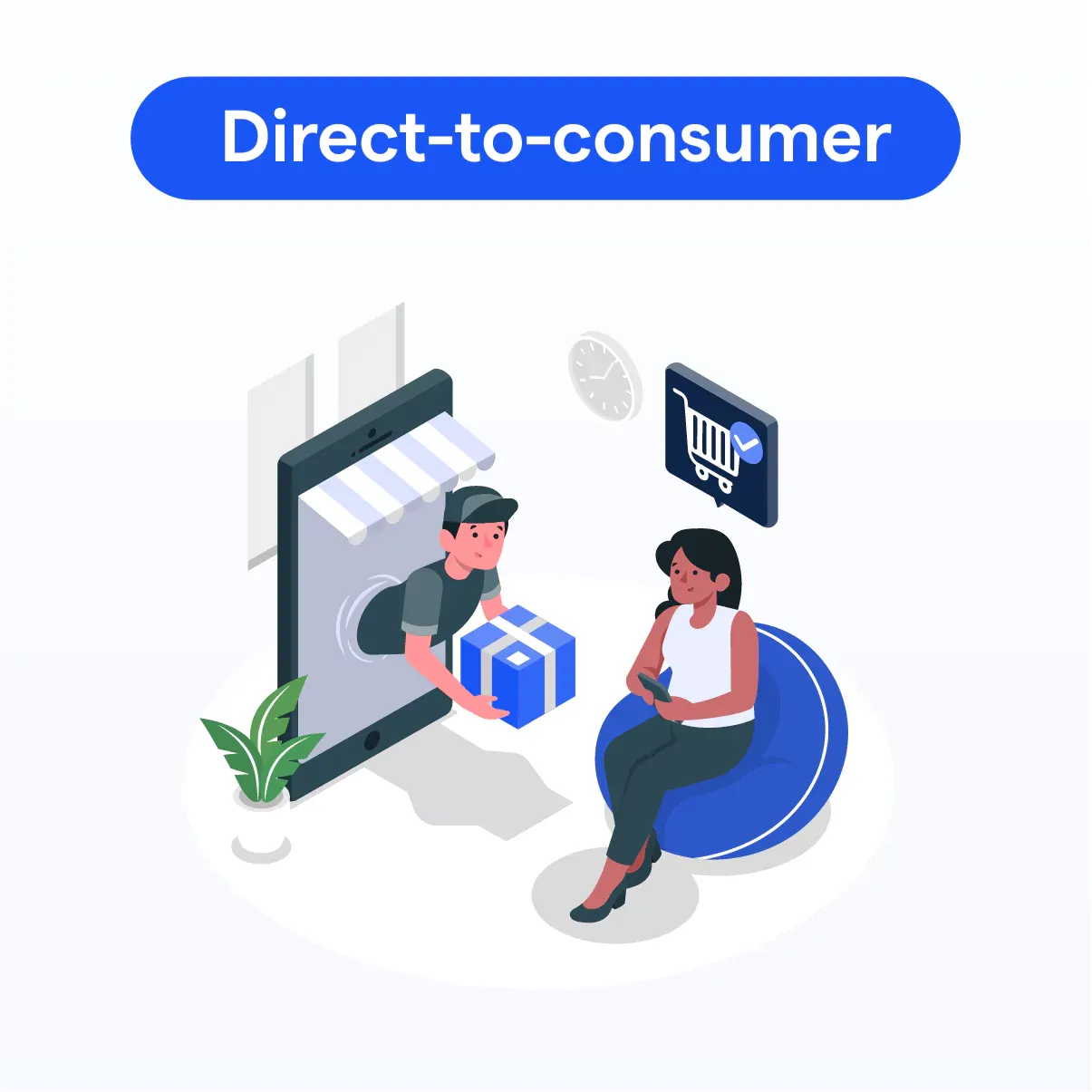
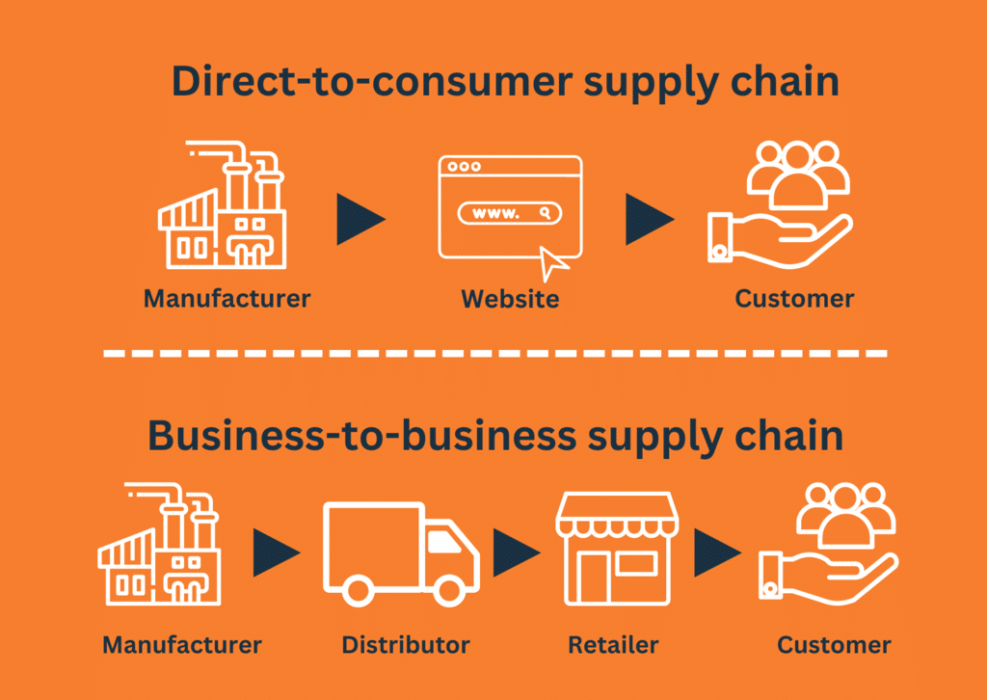
The traditional publishing route is a well-trodden path, but it’s also a highway paved with commissions. Amazon, the behemoth of online retail, takes a hefty slice of every sale—often up to 15% or more. For authors, this means that a $20 book might net you only $17 after fees. Multiply that by hundreds or thousands of copies, and the numbers start to sting. Enter the direct-to-consumer shop: a digital storefront where you set the rules, keep the profits, and forge a direct connection with your readers.
The benefits are manifold. First, there’s the financial upside. Without a middleman skimming off the top, every sale is a pure victory. Second, you gain unparalleled control over pricing, promotions, and the customer experience. Want to offer a limited-edition signed hardcover with a handwritten note? You can. Want to bundle a book with a personalized bookmark or a digital companion guide? Go for it. The DTC model turns your shop into a canvas for creativity and exclusivity.
But here’s the kicker: building this kind of shop isn’t just about slapping up a website and waiting for sales to roll in. It’s about crafting an experience that feels as personal as the books you’re selling. Readers don’t just want a product; they want a story, a connection, and a reason to believe in the magic of your words.
Choosing Your Digital Stage: Platforms for the Modern Author
Not all DTC platforms are created equal. Some are sleek and user-friendly, while others offer robust tools for customization and analytics. The key is to find the one that aligns with your goals, budget, and technical comfort level. Let’s explore a few options that could serve as the backbone of your signed copy empire.
Shopify: The Swiss Army knife of e-commerce, Shopify is a powerhouse for anyone serious about selling directly to consumers. With its intuitive interface, customizable themes, and seamless integrations (think email marketing, social media, and inventory management), it’s a top choice for authors who want to scale. Plus, Shopify’s built-in analytics give you a crystal-clear view of what’s working and what’s not. The downside? It comes with a monthly fee, and transaction fees apply if you don’t use Shopify Payments.
Gumroad: If simplicity is your mantra, Gumroad might be your soulmate. This platform is designed for creators who want to sell digital and physical products without the hassle of a full-fledged storefront. It’s perfect for authors testing the waters of DTC sales, offering low fees and a straightforward setup. However, don’t expect the same level of customization as Shopify. Gumroad is more of a launchpad than a palace.
Big Cartel: Tailored for artists and small creators, Big Cartel is a no-frills platform that lets you set up a store in minutes. It’s ideal for authors with a modest inventory or those who prioritize aesthetics over advanced features. The free plan is generous, but if you’re aiming for growth, you’ll need to upgrade. The trade-off? A more limited toolset compared to Shopify or WooCommerce.
WooCommerce: If you’re already familiar with WordPress, WooCommerce is a natural extension. This open-source plugin transforms your website into a fully functional store, complete with inventory tracking, payment gateways, and shipping calculators. The beauty of WooCommerce lies in its flexibility—you can tweak every aspect of your store to match your brand. The catch? It requires a bit more technical know-how, and you’ll need to handle hosting and security yourself.
The Art of the Deal: Pricing Strategies That Don’t Leave You Feeling Screwed
Pricing signed copies isn’t just about slapping a 20% markup on your production costs. It’s an art form that balances perceived value, market demand, and your own financial needs. Here’s how to strike the perfect chord.
Cost-Based Pricing: Start with your base costs—the price of printing, shipping, and any additional materials like packaging or personalized notes. Add a markup that reflects your time and effort. For example, if a signed hardcover costs $15 to produce and ship, you might price it at $30 to $40 to account for your labor and the exclusivity of the item. This method ensures you’re not operating at a loss, but it doesn’t account for the emotional value of your work.
Value-Based Pricing: This is where things get interesting. Value-based pricing hinges on what your readers are willing to pay, not just what it costs you to produce the book. If you’ve built a loyal following or your work has a cult following, you can command higher prices. Consider offering tiered pricing: a standard signed paperback for $25, a deluxe hardcover with a handwritten note for $50, and a VIP package with a limited-edition print and a private Q&A session for $150. The key is to make each tier feel like a no-brainer investment.
Psychological Pricing: Ever noticed how prices ending in .99 feel like a steal? That’s psychological pricing at work. Round numbers (e.g., $30) can make your product seem more premium, while odd numbers (e.g., $29.99) can create the illusion of a discount. Experiment with both to see what resonates with your audience. Also, consider offering payment plans for higher-priced items. A $100 book paid in four installments of $25 feels more accessible than a single lump sum.
Dynamic Pricing: For the truly ambitious, dynamic pricing involves adjusting prices based on demand, seasonality, or even the reader’s location. For instance, you might offer a discount during the holiday season to boost sales or charge a premium for international shipping. Tools like Shopify’s dynamic pricing apps can automate this process, but it requires a deep understanding of your audience’s behavior.
Packaging That Wows: Turning a Book into an Experience
In the world of DTC sales, packaging isn’t just about protection—it’s about creating a moment. The unboxing experience can turn a simple purchase into a cherished memory, and for signed copies, it’s your chance to leave a lasting impression. Here’s how to make every package feel like a gift.
Materials Matter: Ditch the flimsy cardboard and opt for sturdy, eco-friendly packaging that reflects the quality of your book. Kraft boxes, rigid mailers, or even custom-branded boxes with your logo can elevate the unboxing experience. If you’re selling premium editions, consider adding tissue paper, a branded thank-you card, or a wax seal with your signature.
Personalization is Power: A handwritten note can transform a transaction into a connection. Include a short, heartfelt message thanking the buyer for their support. Mention their name, the edition they purchased, or even a personal anecdote related to the book. For extra flair, add a small keepsake—a bookmark with your signature, a pressed flower, or a mini poster of your book cover.
Surprise and Delight: Go beyond the expected. Tuck a freebie into the package—a sticker, a postcard with a quote from your book, or a discount code for their next purchase. These small touches create a sense of reciprocity, making the buyer feel valued and more likely to recommend your work to others.
Eco-Conscious Choices: Today’s readers care about sustainability. Use recycled materials, biodegradable packing peanuts, or even plantable seed paper for your packaging. Not only does this reduce your environmental footprint, but it also appeals to eco-conscious buyers who are more likely to become repeat customers.
Shipping Smarts: Navigating the Logistics Without Losing Your Mind
Shipping signed copies can feel like a high-wire act—balancing speed, cost, and reliability without dropping the ball. Here’s how to streamline the process and keep your readers happy.
Choose the Right Carrier: Your shipping partner can make or break the customer experience. USPS, UPS, and FedEx each have their strengths. USPS is often the most affordable for domestic shipments, while UPS and FedEx offer faster delivery times and better tracking. If you’re shipping internationally, consider regional carriers like DHL or local postal services to reduce costs and delivery times.
Offer Multiple Shipping Options: Not every buyer needs overnight delivery. Offer a range of shipping speeds—standard, expedited, and economy—to cater to different budgets. Clearly communicate delivery times and costs upfront to avoid surprises at checkout. You might even offer free shipping on orders over a certain amount to incentivize larger purchases.
Track and Communicate: Once an order is placed, send a confirmation email with tracking information. Proactively update buyers if there’s a delay, and include a heartfelt note apologizing for any inconvenience. Transparency builds trust, and a little communication can turn a shipping hiccup into a positive experience.
Insurance and Protection: Signed copies are often irreplaceable, so consider offering shipping insurance or requiring signature confirmation for high-value orders. This protects both you and your buyer in case of loss or damage. It’s a small cost that can save you from a world of hurt down the line.
The Marketing Magic: How to Get Eyes on Your Shop
Building a DTC shop is only half the battle. The other half? Getting people to actually visit it. Marketing your signed copies requires a mix of strategy, creativity, and a deep understanding of your audience. Here’s how to make your shop impossible to ignore.
Leverage Social Media: Your readers are already scrolling through Instagram, TikTok, and Twitter. Meet them where they are. Share behind-the-scenes content of your signing process, tease upcoming releases, and run giveaways to generate buzz. Use platforms like Instagram Stories or TikTok to showcase the unboxing experience, or host a live Q&A where you sign books in real time.
Email Marketing: Your email list is a goldmine. Send newsletters announcing new signed editions, exclusive pre-orders, or limited-time discounts. Segment your list to tailor messages to different reader groups—for example, offering a discount to first-time buyers or a freebie to loyal subscribers. Tools like Mailchimp or ConvertKit can automate this process, ensuring your audience stays engaged without overwhelming your inbox.
Collaborate and Cross-Promote: Partner with other authors, book bloggers, or influencers in your genre to expand your reach. Offer them a free signed copy in exchange for a review or feature. Guest post on a popular blog, or appear on a podcast to talk about your work and your DTC shop. The key is to tap into existing communities where your ideal readers already congregate.
SEO and Content Marketing: Optimize your shop’s website for search engines by using keywords like “signed copies,” “limited edition books,” or “author direct sales.” Start a blog where you share writing tips, behind-the-scenes stories, or essays related to your books. This not only drives traffic to your site but also establishes you as an authority in your field.
Paid Advertising: If you’re ready to invest, consider running targeted ads on Facebook, Instagram, or Google. Use eye-catching visuals and compelling copy to highlight the exclusivity of your signed copies. Retarget website visitors with ads to remind them of their abandoned cart or to showcase new releases. Start with a small budget to test what works, then scale up based on your results.
The Trust Factor: Building Credibility in a Crowded Market
In a world where anyone can set up an online store, trust is your most valuable currency. Readers need to feel confident that your DTC shop is legitimate, your books are authentic, and their personal information is secure. Here’s how to earn that trust.
Professional Branding: Your shop’s design should reflect the quality of your work. Invest in a clean, user-friendly website with high-quality images, clear product descriptions, and easy navigation. Use consistent branding across your social media, email, and packaging to create a cohesive experience. A professional appearance signals that you’re serious about your craft.
Customer Reviews and Testimonials: Social proof is a powerful tool. Encourage buyers to leave reviews by sending a follow-up email after their purchase. Feature these testimonials prominently on your website and social media. If you’re just starting out, offer free copies to a handful of beta readers in exchange for honest feedback. Their reviews can help build credibility for future buyers.
Secure Payments and Data Protection: Nothing erodes trust faster than a security breach. Ensure your website uses HTTPS encryption, and partner with reputable payment processors like Stripe or PayPal. Clearly communicate your privacy policy and data protection measures to reassure buyers that their information is safe. If you’re collecting email addresses or shipping details, be transparent about how you’ll use that data.
Responsive Customer Service: Be available to answer questions, address concerns, and resolve issues promptly. Respond to emails within 24 hours, and consider adding a live chat feature to your website for real-time support. A positive customer service experience can turn a one-time buyer into a lifelong fan.
The Grand Finale: Why This Journey is Worth It
Selling signed copies directly to your readers isn’t just about keeping more of the profits—it’s about reclaiming the joy of the creative process. It’s about forging a direct line to the people who love your work, without the interference of algorithms or corporate gatekeepers. Yes, it requires effort, creativity, and a willingness to learn, but the rewards are immeasurable.
Imagine the satisfaction of seeing a reader’s face light up as they unbox their signed copy, knowing that every dollar went straight to you. Picture the freedom of setting your own prices, designing your own promotions, and building a community around your work. This is the power of the direct-to-consumer shop—a chance to turn your passion into a sustainable, fulfilling business.
So, are you ready to take the leap? The tools are at your fingertips. The audience is waiting. All that’s left is for you to say yes.


Leave a Comment