

The “Hot Priest” isn’t just a fleeting trend—he’s a cultural phenomenon, a paradox wrapped in a cassock, a figure who has somehow transcended the boundaries of celibacy, comedy, and even controversy. From the smirking, soulful gaze of Fleabag’s unnamed cleric to the brooding intensity of *Spoiler Alert*’s Andrew Scott, this archetype has become a modern-day siren call, luring audiences into a web of forbidden desire, wit, and existential longing. But why does he keep selling? What alchemy of charm, restraint, and raw vulnerability makes him irresistible? Let’s unravel the mystique behind this enduring figure, exploring the psychological, cultural, and narrative forces that keep us hooked.
The Allure of the Sacred and the Profane
The Hot Priest is a walking contradiction—a man of God who embodies the very things religion often condemns: temptation, indulgence, and unbridled emotion. He is the sacred made flesh, yet his presence is electric with the promise of the profane. This duality is intoxicating because it mirrors our own internal struggles between duty and desire, piety and passion. When he steps into a room, the air crackles with the tension of a secret about to be spilled, a confession that might not be holy at all.
Consider the way he moves—measured, deliberate, as if every step is a sermon in itself. His voice, a low rumble that could soothe or seduce. His eyes, windows to a soul that’s seen too much and yet remains hungry. He is the forbidden fruit, dangled just out of reach, and we, the audience, are Eve, reaching out despite the thorns. The Hot Priest doesn’t just break the fourth wall; he shatters the illusion of purity, revealing the messy, human core beneath the robes.
The Power of Restraint (And the Thrill of Its Collapse)
What makes the Hot Priest so compelling isn’t his overt sexuality—it’s his restraint. He doesn’t flaunt; he simmers. His charm lies in the space between what he says and what he doesn’t, in the way his hands clench when he’s trying not to reach for her, in the way his voice cracks when he finally does. This restraint is a masterclass in tension, a slow-burn seduction that keeps us on the edge of our seats.
Think of Andrew Scott’s portrayal in *Spoiler Alert*—a man who has spent a lifetime denying himself, only to be undone by the sheer force of human connection. His Hot Priest isn’t just a priest; he’s a walking metaphor for repression, a man who has built walls around his heart and then watches, helpless, as they crumble. The thrill comes from the anticipation: *When will he crack? When will he surrender?* And when he does, it’s not just a kiss—it’s a revolution.
This archetype thrives in the gap between expectation and reality. We expect a man of God to be austere, disciplined, untouchable. But the Hot Priest? He’s all those things—and then some. He’s the disciplinarian who can’t resist a smirk, the confessor who becomes the confessed. His restraint isn’t a flaw; it’s a superpower, one that makes his eventual surrender all the more devastating and delicious.
The Redemption Arc as a Love Story
At its core, the Hot Priest’s appeal is tied to the promise of redemption. He isn’t just a love interest; he’s a salvation narrative in human form. His journey from solitude to connection, from duty to desire, mirrors our own yearnings for meaning and belonging. We don’t just want him for his looks (though, let’s be honest, that helps)—we want him because he represents the possibility of change, of healing, of being seen.
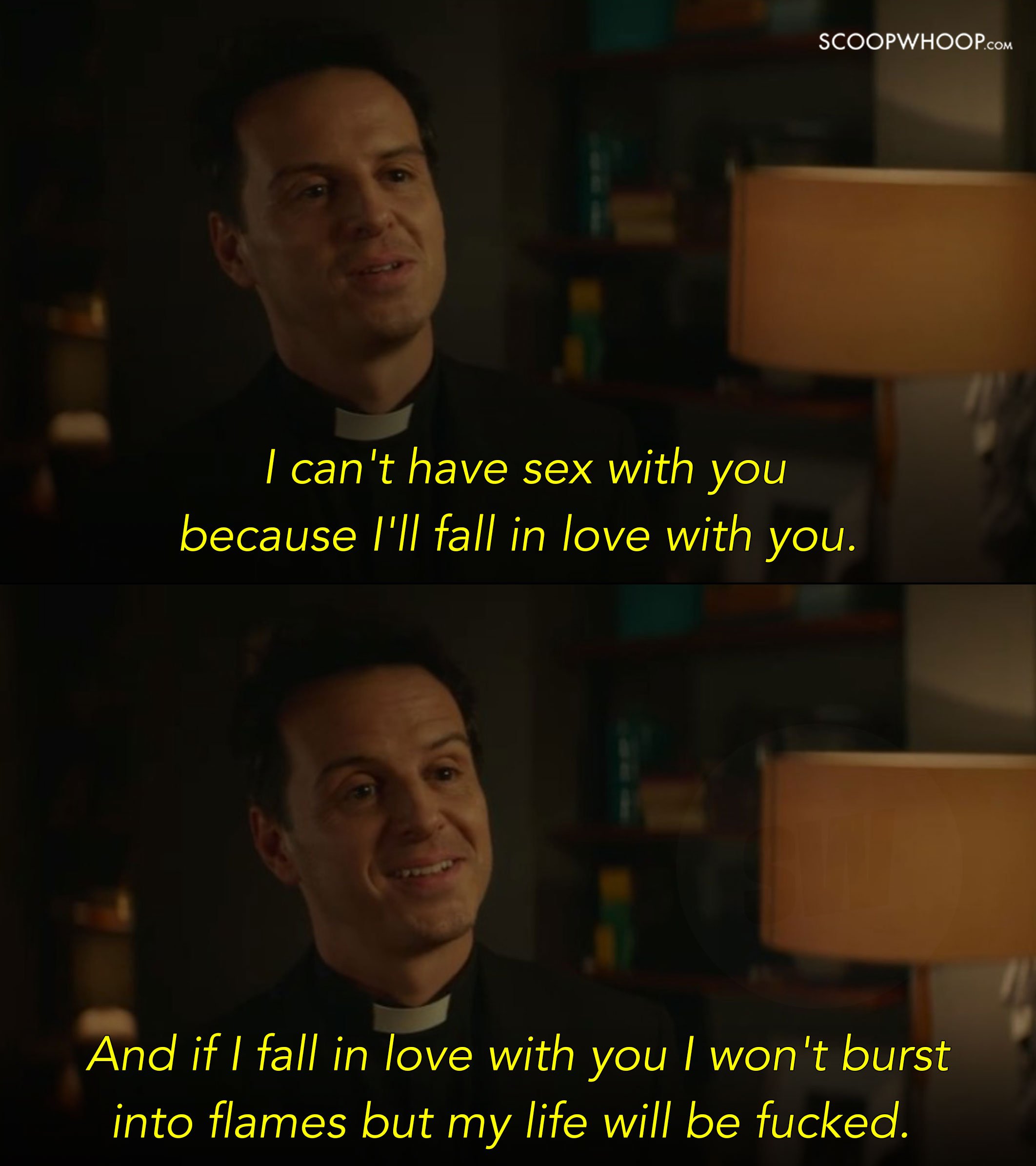
This is why his story resonates so deeply. He’s not a knight in shining armor; he’s a man with scars, with doubts, with a past that haunts him. And yet, in the arms of the right person, he finds a kind of grace. It’s the ultimate fantasy: not just being loved, but being *worth* loving. The Hot Priest doesn’t just offer salvation—he becomes the vessel for it, proving that even the most broken souls can find redemption in the right hands.
Consider the way his love story unfolds. It’s not a grand, sweeping romance; it’s intimate, messy, real. There are stumbles, misunderstandings, moments of doubt. But through it all, there’s an unshakable belief that love can conquer even the most entrenched beliefs. That’s the magic of the Hot Priest—he doesn’t just win our hearts; he makes us believe in the power of transformation.
The Subversion of Expectations
The Hot Priest isn’t just a character; he’s a rebellion against tradition. He takes the tropes of the stoic, unapproachable man of the cloth and flips them on their head. He’s funny. He’s flawed. He’s *human*. And in doing so, he challenges our preconceptions about who gets to be desirable, who gets to be loved, and who gets to be the hero of their own story.
This subversion is part of his appeal. We’ve been conditioned to see priests as figures of authority, untouchable and austere. But the Hot Priest? He’s a disruptor. He’s the priest who cracks jokes, who loses his temper, who stumbles over his own words in the presence of someone who makes his heart race. He’s the priest who *feels*, and in feeling, he becomes relatable. He’s not a saint; he’s a man, and that’s what makes him so compelling.
This archetype also plays into the broader cultural shift toward redefining masculinity. The Hot Priest isn’t the hyper-masculine, emotionless hero of old. He’s tender. He’s vulnerable. He cries. He admits his fears. And in doing so, he gives permission for others to do the same. He’s a mirror held up to society, reflecting back a version of masculinity that’s rich, complex, and deeply human.
The Erotics of the Mundane
What’s truly fascinating about the Hot Priest is how he turns the mundane into the erotic. It’s not just about his physical appearance—though, let’s be real, that’s a big part of it. It’s about the way he sips his tea, the way he adjusts his collar, the way he hesitates before answering a question. These small, everyday moments become charged with meaning because we’re invested in him. We care about what he cares about. And that investment makes even the most ordinary interactions feel intimate.
This is the power of the Hot Priest: he takes the ordinary and makes it extraordinary. A sermon becomes a flirtation. A confession becomes a confession of love. A simple walk becomes a dance. He turns the world into a stage, and every moment is a performance of longing. And we, the audience, are complicit in this performance. We root for him. We ache for him. We *want* him.
The Hot Priest doesn’t need grand gestures or sweeping declarations. His power lies in the quiet, the subtle, the unspoken. He’s the master of the loaded glance, the lingering touch, the pause that speaks volumes. And in a world that’s increasingly loud and chaotic, that kind of restraint is its own form of seduction.
The Legacy of the Hot Priest
The Hot Priest isn’t just a fleeting trend—he’s a cultural touchstone, a figure who has embedded himself in our collective consciousness. He’s the priest who made us laugh, who made us cry, who made us believe in the possibility of love, even in the most unlikely of places. And his legacy is one of transformation—not just for him, but for us.
He’s taught us that desire isn’t something to be feared or suppressed. He’s shown us that vulnerability isn’t a weakness; it’s a strength. He’s reminded us that even the most sacred of vows can be challenged by the most human of emotions. And in doing so, he’s given us a new kind of hero—one who is flawed, complex, and deeply, achingly real.
As long as there are stories to be told, there will be Hot Priests. They’ll appear in the most unexpected of places, in the quietest of moments, and they’ll steal our hearts with nothing more than a glance. Because that’s the power of the Hot Priest: he doesn’t just sell a story. He sells a fantasy—a fantasy of redemption, of connection, of love that transcends the ordinary. And in a world that often feels cold and disconnected, that’s a fantasy worth holding onto.
The Hot Priest isn’t just a character. He’s a revolution. And we’re all better for it.


Leave a Comment