

The Arctic is not just a place on a map—it’s a vast, shimmering canvas where the very medium of creation is in a state of perpetual flux. Imagine standing on the edge of a frozen ocean, where the ground beneath your feet is not solid earth but a shifting mosaic of ice, and the air hums with the sound of ancient glaciers groaning in their final, fleeting moments. What if the most urgent artwork of our time isn’t painted on canvas or carved from stone, but sculpted by the very force that threatens to erase it? Welcome to the paradox of Arctic art: a race against time, where the artist is also the medium, and the message is written in melting ice.
In this frozen theater of climate change, nature itself has become the most compelling curator. Every year, the Arctic warms four times faster than the global average—a phenomenon scientists call Arctic amplification. This isn’t just a statistic; it’s a countdown. As temperatures rise, the ice retreats, and with it, the opportunity to create art that is both breathtaking and bittersweet. What happens when the sculptor is the melting ice, and the gallery is a landscape that refuses to stay still? This is the challenge—and the magic—of Arctic art in the age of climate crisis.
The Arctic as a Living Gallery: Where Nature Paints Itself
The Arctic’s ice is not a static backdrop but a dynamic, ever-changing medium. Each winter, the frozen ocean expands, layering new sheets of ice over old ones, creating a palimpsest of geological time. When spring arrives, the sun’s rays begin their relentless work, carving tunnels, sculpting arches, and melting intricate patterns into the surface. These ephemeral formations—some no wider than a hand, others spanning entire bays—are nature’s own ice sculptures, crafted without human hands.
But here’s the twist: these sculptures are temporary by design. A single warm spell can collapse an ice arch that took decades to form. A storm can shatter a delicate ice bridge in hours. The Arctic doesn’t just display art; it performs it, in a fleeting, unrepeatable show. For artists who venture into this realm, the challenge isn’t just about capturing beauty—it’s about documenting a vanishing world. Every photograph, every sketch, every time-lapse video is a eulogy for a landscape that may not exist in a few decades.

The Human Hand Meets the Melting Medium: Can Art Save What It Depicts?
While nature sculpts its own masterpieces, humans have begun to intervene—sometimes as collaborators, sometimes as witnesses, and sometimes as activists. Enter the world of ice art installations, where artists deliberately freeze water into shapes, only to let the elements reclaim them. These works are less about permanence and more about presence: a moment of defiance against the inevitability of disappearance.
One striking example is the annual Ice Sculpture Festival in Harbin, China, where artisans carve colossal figures from blocks of ice. But even here, the Arctic’s influence is felt. Some artists now incorporate melted ice into their designs, creating pieces that literally embody the theme of climate change. A sculpture of a polar bear, for instance, might be placed on a pedestal of melting ice, its form slowly dissolving as the day progresses. The message is clear: the art is not just about the subject—it’s about the act of creation and destruction in the same breath.
Yet, this raises a thorny question: Can art that relies on melting ice truly raise awareness, or does it risk becoming a spectacle that distracts from the urgency of the issue? After all, if the medium itself is the message, what happens when the medium is gone?
The Acidifying Arctic: A Palette of Chemical Change
Climate change isn’t just about rising temperatures—it’s also about the Arctic Ocean’s growing acidity. As CO2 dissolves into seawater, it forms carbonic acid, turning the once-pristine waters into a corrosive bath for marine life. This chemical shift is invisible to the naked eye, but artists are finding ways to make it tangible. Some use pH-sensitive dyes to create paintings that change color as the acidity increases. Others submerge sculptures in the water, watching them slowly dissolve—a visceral metaphor for the fragility of ecosystems.
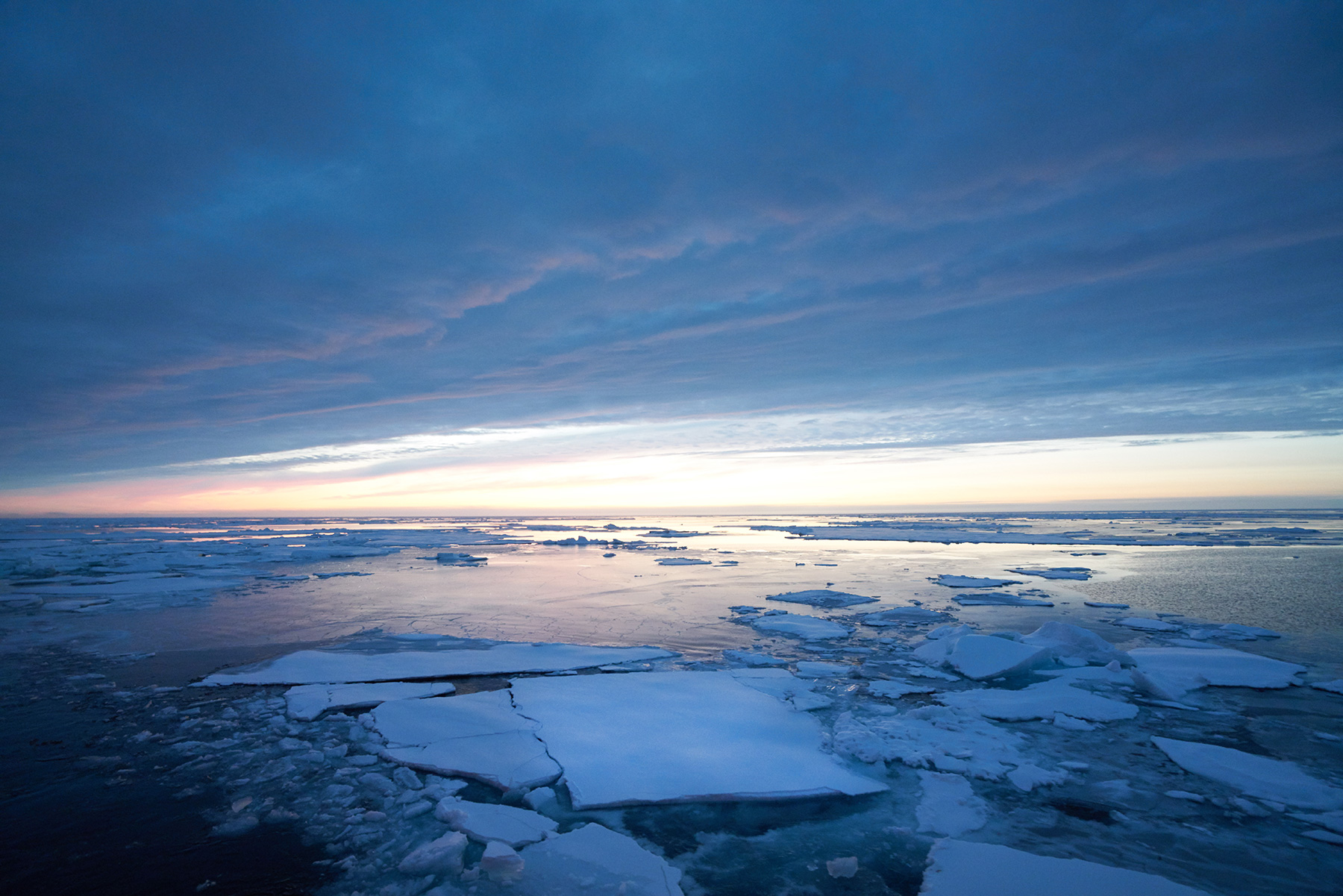
These works force viewers to confront an uncomfortable truth: the Arctic isn’t just melting—it’s transforming. The ice that once reflected sunlight back into space now absorbs it, accelerating the warming process. The water that once sustained life is becoming a caustic soup. And the art that emerges from this turmoil is less a celebration of nature’s beauty and more a requiem for a world in transition.
The Race Against Time: Can Arctic Art Outpace the Thaw?
For artists working in the Arctic, time is the most ruthless curator. Every expedition is a gamble against the elements, where a sudden storm can wipe out weeks of work—or worse, endanger lives. Documenting these fleeting moments requires not just skill, but also a deep understanding of the environment. Some artists, like Olga Kisseleva, have turned to technology, using drones and 360-degree cameras to capture ice formations before they vanish. Others, like Subhankar Banerjee, have spent years living among Indigenous communities, creating art that blends traditional knowledge with contemporary concerns.
But the real challenge lies in translating these experiences for an audience that may never set foot in the Arctic. How do you convey the scale of a collapsing ice shelf in a photograph? How do you make the acidification of the ocean feel urgent in a gallery setting? Some artists are turning to immersive installations, where visitors walk through rooms lined with melting ice blocks, their feet splashing in the puddles that form at their edges. Others use soundscapes—recordings of glaciers cracking, icebergs calving—to evoke the Arctic’s voice.
Yet, even the most innovative techniques struggle to compete with the raw power of the Arctic itself. There’s a reason why so many artists return to the region, again and again. It’s not just about the art—it’s about the confrontation. Standing on the edge of a melting glacier, you don’t just see climate change; you feel it in the wind, taste it in the air, hear it in the ice’s groans. The Arctic doesn’t need to be explained—it needs to be experienced.
The Legacy of a Vanishing World: What Will Be Left When the Ice Is Gone?
What happens when the Arctic’s ice is gone? Will its art disappear with it, leaving only memories and photographs? Or will the lessons learned from this frozen frontier inspire a new wave of environmental art? Already, some artists are shifting their focus from the ice itself to the stories of the people and creatures that depend on it. A sculpture of a polar bear becomes a memorial. A painting of a melting iceberg becomes a warning.
Perhaps the most poignant works are those that don’t just depict the Arctic, but actively engage with its disappearance. In 2019, artist Jenny Kendler created “The Last Pictures”, a project where she embedded micro-etched images of endangered species into the ice of Greenland. As the ice melted, the images were released into the ocean, a silent plea for conservation. It’s art as an act of surrender—a recognition that some things cannot be preserved, only honored.
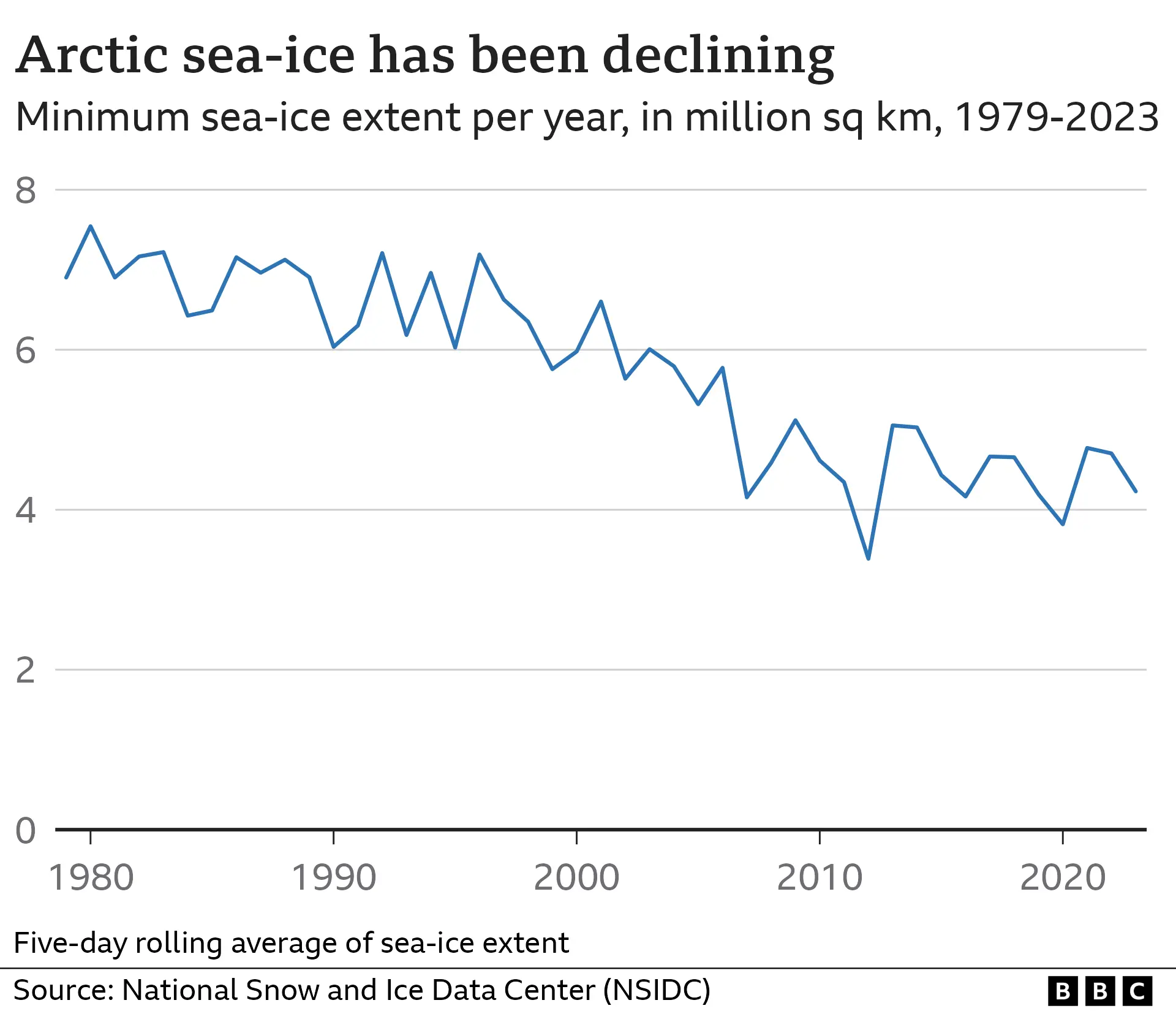
The Arctic’s ice is melting, but its art is far from over. In fact, it’s evolving. The sculptures may be temporary, the installations fleeting, but the conversations they spark are lasting. They force us to ask: What do we value in a world that is changing faster than we can adapt? How do we preserve beauty when the canvas itself is disappearing? And perhaps most importantly, how do we create meaning in a place where even the ground beneath our feet is melting away?
The Arctic is the fastest-warming gig on Earth, and its artists are the unsung performers in this high-stakes show. They don’t just capture the ice—they embody its fragility, its power, and its inevitable transformation. In doing so, they remind us that art isn’t just about what we create; it’s about what we choose to remember. And in the Arctic, there’s a lot worth remembering.


Leave a Comment