

Cold wax medium has emerged as a transformative tool in the world of abstract art, offering artists a tactile playground where texture, depth, and luminosity converge. Unlike traditional oil mediums, cold wax—a blend of beeswax, resin, and solvent—creates a malleable, slow-drying paste that can be layered, scraped, and manipulated to achieve effects that range from subtle whispers to bold, sculptural declarations. For those seeking to break free from the flatness of conventional painting, cold wax medium is nothing short of a revelation. It invites experimentation, rewards patience, and challenges the artist to rethink the very nature of surface and form.
Imagine holding a palette knife and dragging it through a thick, buttery layer of pigmented wax, watching as the material folds and creases like molten lava. Or picture pressing crumpled paper into the surface, only to peel it away and reveal a web of cracks and veins. These are the kinds of tactile adventures that cold wax medium makes possible. It’s not just a medium; it’s an invitation to play, to explore, and to embrace the unpredictable. Whether you’re a seasoned abstract artist or a curious beginner, cold wax offers a fresh lens through which to view your creative process.
The Allure of Tactile Abstraction: Why Cold Wax Captivates Artists
At its core, cold wax medium is about tactile abstraction—a celebration of texture, depth, and the physicality of paint. Unlike traditional oil or acrylic, which often settle into smooth, even layers, cold wax retains a three-dimensional quality that begs to be touched. Artists are drawn to its versatility; it can be used to build up thick, impasto strokes or thinned to create translucent glazes that catch the light like stained glass. The slow drying time allows for extended manipulation, giving artists the freedom to work and rework their surfaces without the urgency of traditional oil painting.
One of the most compelling aspects of cold wax is its ability to interact with other materials. Embedding objects like fabric, sand, or even dried leaves into the wax creates a dialogue between the organic and the synthetic, resulting in compositions that feel both ancient and contemporary. The medium’s matte finish also lends itself beautifully to mixed-media techniques, where it can be paired with charcoal, pastels, or even metallic leaf to add contrast and intrigue. For artists who crave a hands-on, immersive experience, cold wax medium is a dream come true—it transforms the act of painting from a static process into a dynamic, almost sculptural endeavor.
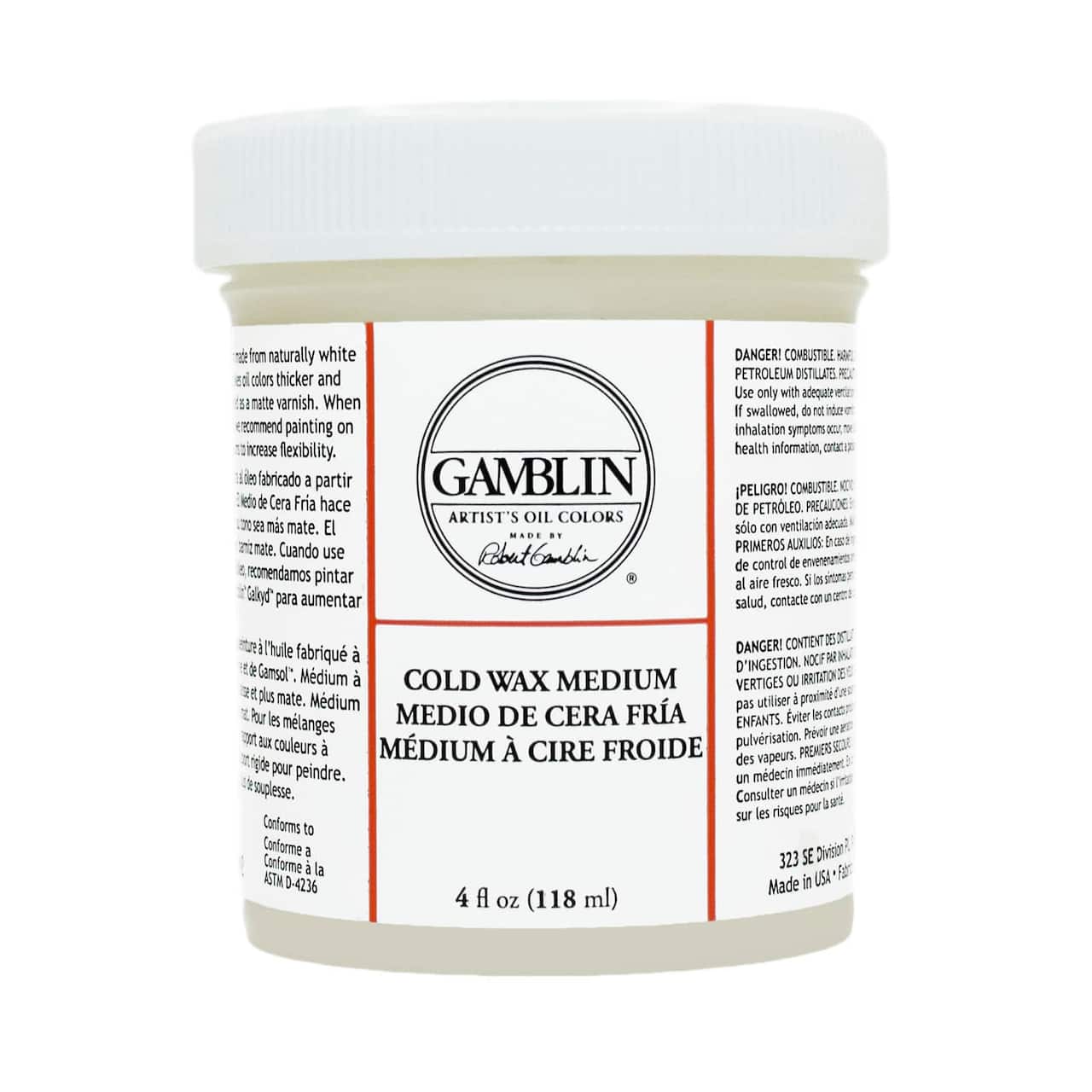
Water-Based vs. Oil-Based Cold Wax: Decoding the Differences
Not all cold wax mediums are created equal. The two primary categories—water-based and oil-based—each offer distinct advantages and challenges, catering to different artistic sensibilities and workflows. Water-based cold wax, often formulated with acrylic or polymer components, is celebrated for its low toxicity and ease of cleanup. It dries to a matte, velvety finish and can be reactivated with water, making it ideal for artists who prefer a more controlled, less solvent-heavy process. Brands like Golden and Liquitex have pioneered water-based cold wax mediums that are both accessible and versatile, allowing for seamless integration into mixed-media projects.
Oil-based cold wax, on the other hand, is a staple in the traditional oil painter’s toolkit. Composed of beeswax, resin, and mineral spirits or odorless turpentine, it offers a richer, more luminous finish that ages beautifully over time. The slow drying time of oil-based cold wax allows for extended blending and layering, making it a favorite among artists who prioritize depth and complexity in their work. However, its solvent-based nature requires proper ventilation and careful handling, which may not suit every studio environment. The choice between water-based and oil-based cold wax ultimately hinges on the artist’s priorities—whether they prioritize safety and convenience or the unparalleled richness of traditional oil mediums.

Techniques to Master: From Subtle Glazes to Bold Sculptural Forms
The true magic of cold wax medium lies in its adaptability. Artists can employ a variety of techniques to achieve everything from delicate, translucent layers to rugged, textured surfaces that practically leap off the canvas. One of the most fundamental approaches is layering, where thin applications of wax are built up over time, allowing each layer to dry partially before adding the next. This method creates a sense of depth and luminosity, as light filters through the translucent layers, revealing hidden hues beneath. For a more dramatic effect, artists can use a palette knife to apply thick, impasto strokes, creating ridges and valleys that catch the light and cast subtle shadows.
Another popular technique is scraping and incising, where the artist uses tools like credit cards, combs, or even their fingers to carve into the wet wax. This process can reveal underlying layers, create intricate patterns, or simply add a sense of movement to the composition. For those who enjoy a more organic approach, embedding materials like sand, fabric, or dried flowers into the wax can add an element of surprise and unpredictability. The possibilities are nearly endless, limited only by the artist’s imagination and willingness to experiment.
For artists interested in creating sculptural forms, cold wax medium can be used to build up three-dimensional elements directly on the surface. By applying thick layers and manipulating them while wet, artists can create relief-like textures that invite viewers to engage not just visually, but physically. This approach blurs the line between painting and sculpture, challenging traditional definitions of what a painting can be. Whether you’re aiming for subtle nuance or bold, statement-making textures, cold wax medium provides the tools to bring your vision to life.

Mixed Media Magic: Combining Cold Wax with Other Mediums
Cold wax medium is a natural collaborator, seamlessly integrating with a wide range of other materials to create hybrid artworks that defy categorization. One of the most striking combinations is with charcoal, which can be dusted or rubbed into the wax to create soft, smoky gradients or sharp, graphic lines. The contrast between the matte wax and the velvety charcoal is visually arresting, adding a sense of drama and depth to the composition. Similarly, pastels can be blended into the wax to introduce vibrant pops of color, while their powdery texture creates a beautiful interplay with the wax’s smooth surface.
For artists who enjoy working with metallic elements, cold wax medium provides a perfect base for incorporating gold, silver, or copper leaf. The wax’s matte finish allows the metallic sheen to stand out, creating a luxurious, almost opulent effect. Alternatively, artists can mix pigments or dry powders directly into the wax to create custom colors and effects. This approach allows for a high degree of control over the final appearance, whether you’re aiming for subtle earth tones or bold, saturated hues. The key to successful mixed-media work with cold wax is experimentation—don’t be afraid to layer, scrape, and rework until you achieve the desired effect.
Another exciting avenue is the integration of digital elements. Artists can print images onto transfer paper and embed them into the wax, creating a dialogue between the handmade and the digital. This technique opens up a world of possibilities, from incorporating vintage photographs to layering abstract digital prints. The juxtaposition of these elements can create a sense of narrative or mystery, inviting viewers to interpret the work on multiple levels. Whether you’re blending traditional and contemporary techniques or simply exploring new materials, cold wax medium serves as a versatile bridge between different artistic disciplines.
Overcoming Challenges: Troubleshooting Common Cold Wax Woes
While cold wax medium offers a wealth of creative possibilities, it’s not without its challenges. One of the most common issues artists encounter is cracking, which occurs when the wax dries too quickly or is applied in overly thick layers. To prevent this, it’s essential to work in a controlled environment with moderate humidity and temperature. Adding a small amount of cold wax medium or a slow-drying solvent like Gamsol can help extend the working time and reduce the risk of cracking. If cracks do appear, they can be embraced as part of the artwork’s character or filled in with additional layers of wax.
Another challenge is the yellowing that can occur with oil-based cold wax over time. This is a natural byproduct of the aging process in beeswax and resin, but it can be mitigated by using high-quality, refined waxes and storing finished pieces away from direct sunlight. For artists who prefer a more stable finish, water-based cold wax mediums are an excellent alternative, as they are less prone to yellowing and discoloration. Additionally, some artists may find that cold wax medium can be difficult to remove from brushes and tools, especially once it has dried. To avoid this, it’s crucial to clean brushes and palette knives immediately after use with soap and water (for water-based wax) or odorless mineral spirits (for oil-based wax).
Finally, the learning curve associated with cold wax medium can be steep for artists accustomed to traditional painting techniques. The slow drying time and the need for physical manipulation can feel unfamiliar at first, but with practice, these aspects become second nature. It’s also important to approach cold wax with a spirit of experimentation—mistakes are part of the process, and often lead to unexpected breakthroughs. Embrace the unpredictability, and let the medium guide you toward new discoveries.
Inspiration and Resources: Where to Find Cold Wax Mastery
For artists eager to dive into the world of cold wax medium, there are countless resources available to spark inspiration and refine technique. Online platforms like YouTube and Skillshare host a wealth of tutorials, from beginner-friendly introductions to advanced techniques like creating faux encaustic effects or embedding resin into wax layers. Books such as Cold Wax Medium: Techniques, Concepts & Conversations by Rebecca Crowell and Jerry McLaughlin offer in-depth explorations of the medium, blending practical advice with philosophical insights into abstract art. Local workshops and art retreats focused on cold wax are also invaluable, providing hands-on guidance and the opportunity to connect with fellow enthusiasts.
Social media platforms like Instagram and Pinterest are treasure troves of cold wax inspiration, where artists share their processes, experiments, and finished pieces. Following hashtags like #coldwaxmedium or #abstractart can lead to a wealth of creative ideas and techniques to try. Additionally, many art supply retailers offer starter kits and sample sizes of cold wax medium, allowing artists to experiment without a significant upfront investment. Don’t underestimate the power of community—joining online forums or local art groups can provide support, feedback, and a sense of camaraderie as you navigate the world of cold wax.
For those seeking a more structured approach, art schools and universities often offer courses in mixed media and abstract painting that include cold wax medium as part of the curriculum. These programs provide a rigorous foundation in technique while encouraging artistic growth and experimentation. Whether you’re a self-taught artist or a seasoned professional, there’s always more to learn, and cold wax medium offers a lifetime of exploration.
As the sun sets on your latest cold wax masterpiece, take a step back and marvel at the journey it took to get there. This medium is more than just a tool—it’s a conversation between artist and material, a dance of texture and light, of control and surrender. Cold wax medium doesn’t just change the way you paint; it changes the way you see, feel, and interact with the world of art. So go ahead, grab a palette knife, and let the wax guide your hand. The canvas is waiting, and the possibilities are as boundless as your imagination.


Leave a Comment