

The debate between digital inking and traditional inking is as old as the digital canvas itself. Artists and creators stand divided, some swearing by the precision of a stylus, others by the tactile whisper of a nib on paper. Yet beneath the surface of this rivalry lies a deeper fascination—one that transcends mere tools and delves into the very essence of artistic creation. Why does the hum of a tablet feel so different from the scratch of a pen? Why does one method evoke a sense of permanence while the other whispers of endless possibility? The answer isn’t just about technology or tradition; it’s about the soul of the artist and the story they choose to tell.
Inking, whether digital or traditional, is the backbone of visual storytelling. It defines lines, shapes shadows, and breathes life into characters. But the tools we use to achieve this magic shape not just our art, but our relationship with it. Let’s explore the nuances of each method, uncovering the hidden layers that make them both irreplaceable in their own right.
The Allure of the Analog: Why Traditional Inking Still Holds Sway
There’s an almost sacred quality to traditional inking that digital tools struggle to replicate. The weight of a fine liner in your hand, the way the ink bleeds into the paper, the subtle variations in pressure that create organic, living lines—these are not just technical details; they are sensory experiences. Traditional inking is tactile in a way that digital can never fully capture. The resistance of the paper, the slight drag of the nib, the way the ink pools and dries—all of these elements contribute to a process that feels alive, unpredictable, and deeply personal.
Consider the work of comic legends like Jack Kirby or Moebius. Their inking wasn’t just about filling in outlines; it was about texture, depth, and rhythm. The imperfections in their lines—slight wobbles, uneven pressure, spontaneous flourishes—became part of the art’s identity. Traditional inking embraces these imperfections, turning them into strengths. There’s a serendipity to it, a dance between artist and medium where the outcome is never entirely predictable. This unpredictability fosters creativity, pushing artists to adapt, improvise, and discover new ways to express themselves.
Moreover, traditional inking carries a sense of history. The tools used today—nibs, brushes, pens—have been refined over centuries. They carry the weight of tradition, of artists who came before. When you hold a Gillotte nib or a Winsor & Newton brush, you’re not just holding a tool; you’re holding a piece of artistic lineage. This connection to the past can be profoundly inspiring, grounding the artist in a continuum of creativity that spans generations.
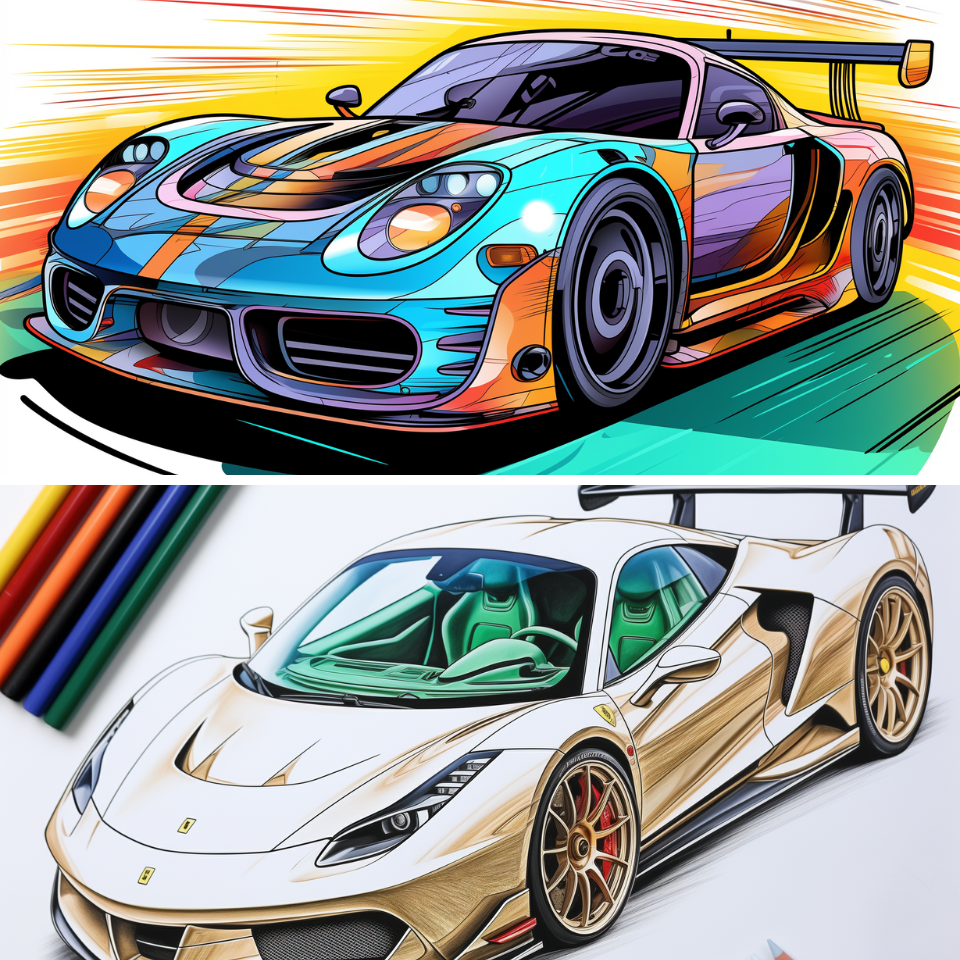
The Digital Canvas: Precision, Flexibility, and the Illusion of Perfection
On the other side of the spectrum lies digital inking, a realm where precision meets boundless flexibility. The tablet is more than a tool; it’s a gateway to a world where mistakes can be undone with a keystroke, where layers can be rearranged like puzzle pieces, and where the artist’s hand is only as fallible as their imagination. Digital inking offers a level of control that traditional methods simply can’t match. Need to adjust the thickness of a line? A slider does the trick. Want to experiment with different brush textures? Hundreds are at your fingertips. The digital canvas is a playground where experimentation is encouraged, and failure is merely a step toward mastery.
But digital inking isn’t just about control—it’s about evolution. Artists who embrace digital tools often find themselves liberated from the constraints of physical media. No more worrying about ink smudges, paper bleeding, or the dreaded “ink blot.” Instead, the focus shifts entirely to the act of creation. The tablet becomes an extension of the artist’s mind, translating thoughts into lines with a fluidity that’s almost hypnotic. Programs like Procreate, Clip Studio Paint, and Photoshop have become the modern alchemist’s lab, where raw ideas are transformed into polished masterpieces with a few taps and swipes.
There’s also an undeniable efficiency to digital inking. Traditional inking demands patience—waiting for ink to dry, cleaning brushes, preparing new sheets of paper. Digital inking, by contrast, is instantaneous. Lines appear as if by magic, colors can be adjusted in real-time, and entire compositions can be rearranged with a few clicks. This speed doesn’t just save time; it changes the way artists work. It allows for rapid iteration, encouraging a more dynamic and exploratory approach to art. The digital canvas is a space where ideas can be tested, refined, and discarded without hesitation, fostering a mindset of relentless innovation.

The Unspoken Divide: Where Tradition and Technology Collide
Despite their differences, digital and traditional inking share a common goal: to bring ideas to life. Yet the paths they take couldn’t be more divergent. Traditional inking is a dialogue between artist and medium, a conversation where each stroke is a response to the paper’s resistance, the ink’s flow, and the artist’s intuition. Digital inking, on the other hand, is a monologue—a direct transmission of thought into image, unfiltered by the medium’s quirks. This fundamental difference is what makes the debate so charged. It’s not just about tools; it’s about the very nature of creation.
One of the most fascinating aspects of this divide is how each method influences the artist’s mindset. Traditional inking demands a certain level of commitment. Once the ink hits the paper, it’s there to stay. This permanence can be intimidating, but it also fosters a deep sense of focus and intentionality. Every line must count, every stroke must serve a purpose. Digital inking, with its undo buttons and layer systems, encourages a more experimental and forgiving approach. Mistakes are easily corrected, allowing artists to take risks they might otherwise avoid. This difference in mindset can lead to vastly different artistic outcomes—one rooted in discipline and precision, the other in exploration and spontaneity.
There’s also the matter of authenticity. Traditional inking carries a certain gravitas, a sense of finality that digital inking often lacks. When you see a comic book page inked by hand, you’re looking at a piece of history—a tangible artifact of the creative process. Digital inking, while no less valid, can sometimes feel ephemeral, as if the art exists only in the digital ether. This isn’t to say that digital art lacks depth or meaning, but the way it’s perceived by audiences can differ significantly. Traditional inking has a physical presence that resonates with viewers, evoking a sense of craftsmanship and dedication that’s hard to replicate digitally.
Finding the Middle Ground: Hybrid Approaches and the Future of Inking
As technology advances and traditional methods evolve, the lines between digital and traditional inking are beginning to blur. Artists are increasingly adopting hybrid approaches, blending the best of both worlds to create something entirely new. Some start with traditional inking, scanning their work into a digital program to refine lines, adjust colors, and add effects. Others begin digitally, printing their sketches onto paper to ink by hand, combining the precision of digital tools with the organic feel of traditional media. These hybrid methods offer the best of both worlds, allowing artists to leverage the strengths of each approach while mitigating their weaknesses.
The future of inking is likely to be defined by this kind of experimentation. As digital tools become more sophisticated and traditional methods adapt to modern sensibilities, the boundaries between the two will continue to dissolve. We may see new techniques emerge, ones that haven’t yet been imagined. Perhaps we’ll witness the rise of AI-assisted inking, where algorithms help artists refine their lines or suggest creative directions. Or maybe we’ll see a resurgence of interest in traditional methods, as artists seek to reconnect with the tactile, sensory aspects of creation in an increasingly digital world.
Regardless of where the future leads, one thing is certain: the debate between digital and traditional inking will endure. It’s not just about tools; it’s about the heart of the artist. Whether you’re a purist who swears by the nib or a digital native who can’t imagine life without a stylus, the act of inking remains a deeply personal and transformative experience. It’s a testament to the power of creation, a reminder that art is not just about the final product, but about the journey—the scratches, the smudges, the moments of inspiration, and the inevitable mistakes that lead to something greater.
So the next time you pick up a pen or hover your stylus over a tablet, remember this: you’re not just creating lines. You’re engaging in a dialogue with your medium, a conversation that spans centuries and technologies. And in that conversation lies the true magic of inking—whether it’s on paper or on screen.


Leave a Comment