

In the grand tapestry of technological evolution, few innovations have reshaped an entire industry quite like Apple’s “Unibody” design. It wasn’t merely a shift in aesthetics—it was a revolution in how products were conceived, crafted, and perceived. The moment the iPhone 4 emerged from the shadows in 2010, its seamless, single-piece aluminum shell didn’t just captivate consumers; it redefined the very boundaries of manufacturing. This wasn’t just a phone. It was a manifesto. A declaration that form and function could dance in perfect harmony, that precision could be poetic, and that the future of design was no longer bound by the constraints of assembly lines and soldered seams.
The Unibody wasn’t born from a single eureka moment. It was the culmination of years of obsession, of engineers and designers pushing against the limits of what was possible. It demanded a radical rethinking of how metal could be coaxed into shape, how a device could be both a fortress and a feather. And in doing so, it didn’t just change Apple—it changed the world.
The Genesis of a Radical Idea: When Constraints Became Catalysts
Before the Unibody, smartphones were Frankensteinian assemblages—plastic shells bolted onto internal skeletons, buttons soldered onto circuit boards, seams betraying the illusion of unity. Apple’s engineers looked at this landscape and saw not a challenge, but an opportunity to defy gravity itself. The constraints were clear: durability, weight, thermal efficiency, and, above all, elegance. But constraints, when met with ingenuity, have a way of birthing masterpieces.
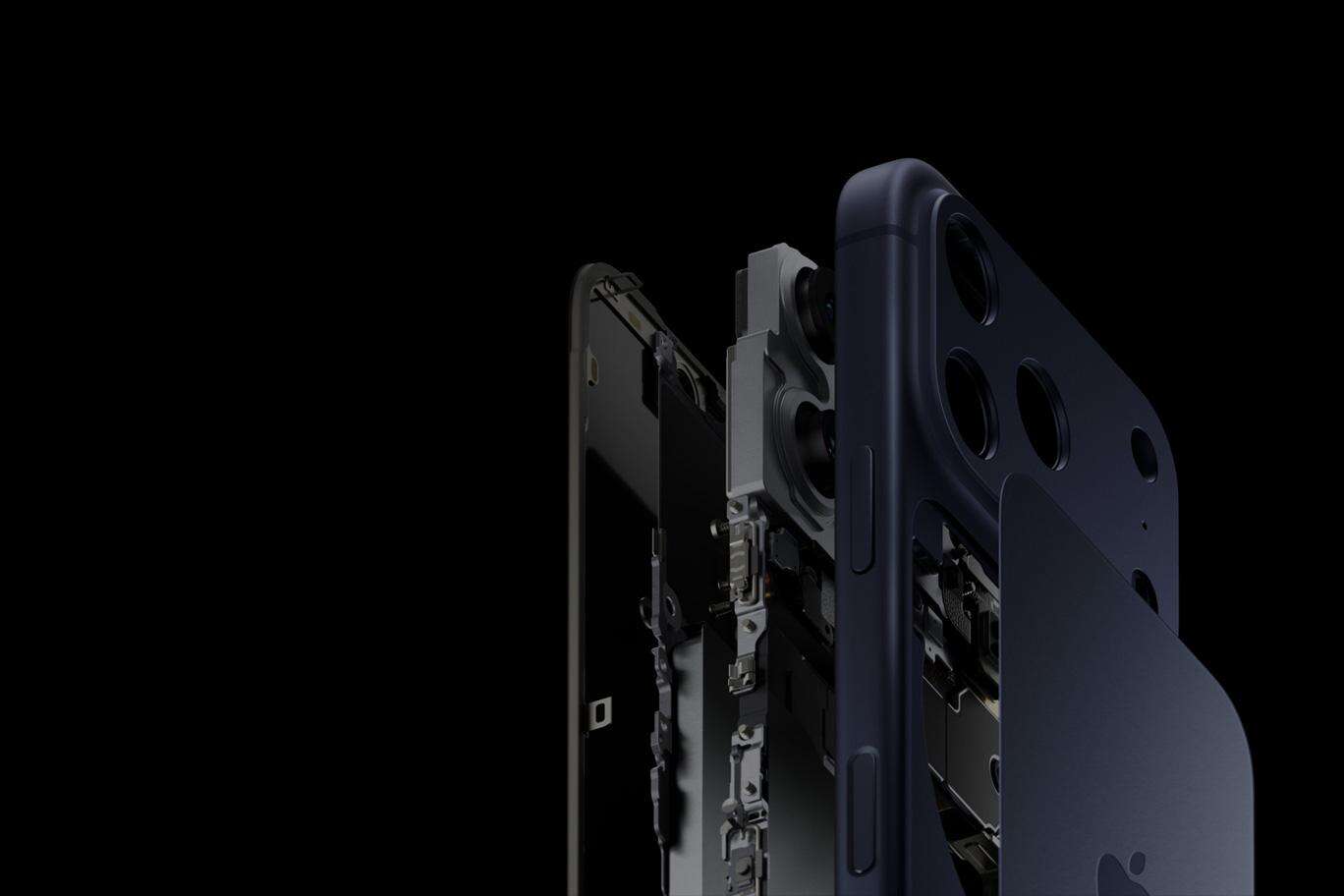
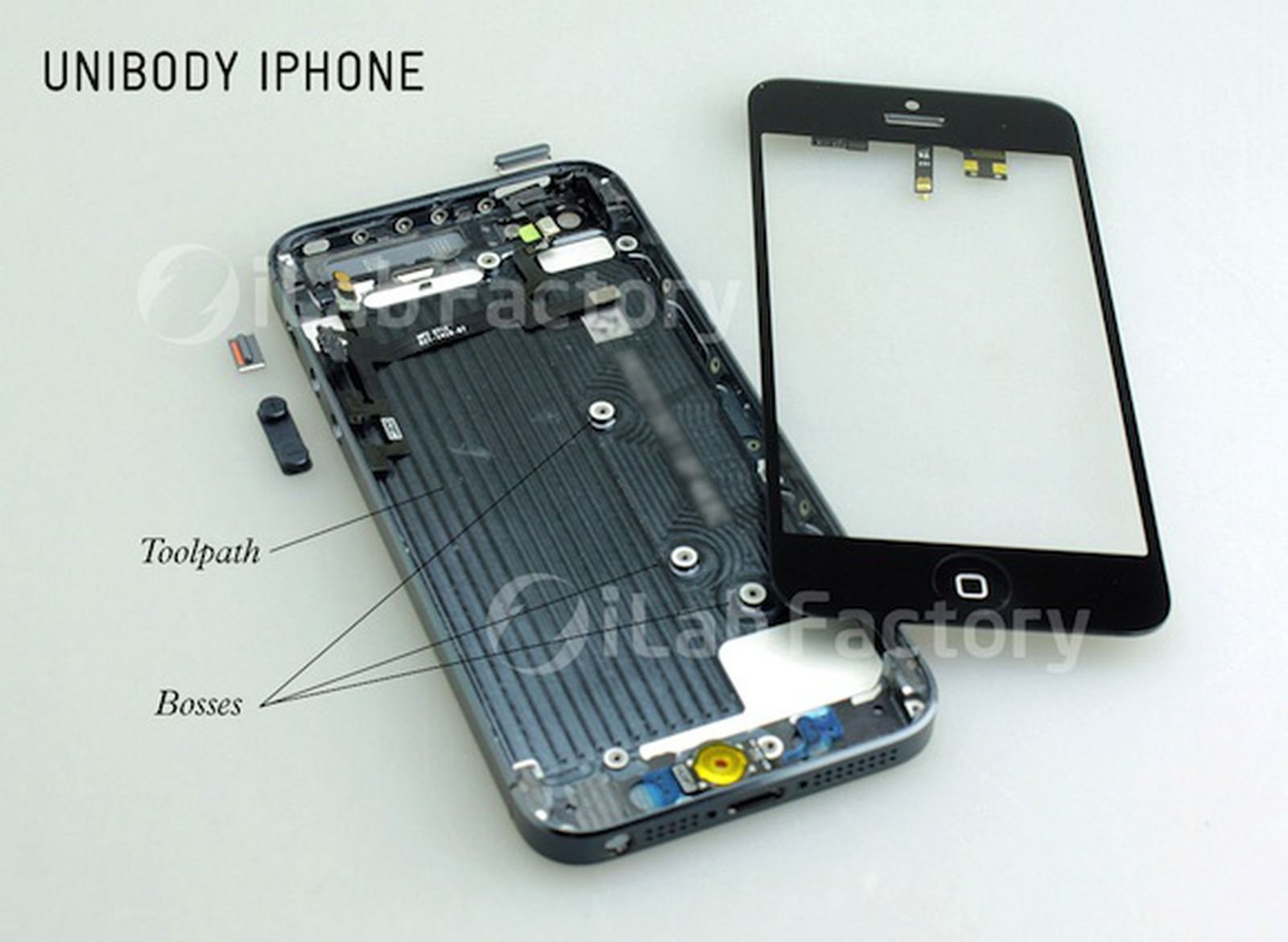
The breakthrough came not from a single material, but from a radical reimagining of aluminum. Traditionally, aluminum was forged into parts, then assembled—a process riddled with seams, weak points, and inefficiencies. Apple’s team, however, envisioned a single, monolithic structure, milled from a solid block of aerospace-grade aluminum. This wasn’t just a design choice; it was a philosophical shift. It demanded a manufacturing process so precise that it bordered on alchemy. CNC milling, once a tool for industrial prototypes, became the sculptor’s chisel, carving away excess to reveal the phone’s soul.
The result? A device that felt like it had been hewn from a single slab of metal, its edges razor-sharp, its surface unbroken. The Unibody wasn’t just a shell—it was armor, a testament to the idea that less could indeed be more.
The Alchemy of Aluminum: Forging Perfection from Molten Metal
Aluminum, in its raw form, is a humble metal—lightweight, malleable, and deceptively strong. But to transform it into the Unibody required a process that was anything but ordinary. Apple’s engineers didn’t just use aluminum; they elevated it to an art form. The journey began with aerospace-grade aluminum billets, forged under immense pressure to eliminate impurities. These billets were then subjected to a CNC milling process so precise that it could achieve tolerances measured in microns.
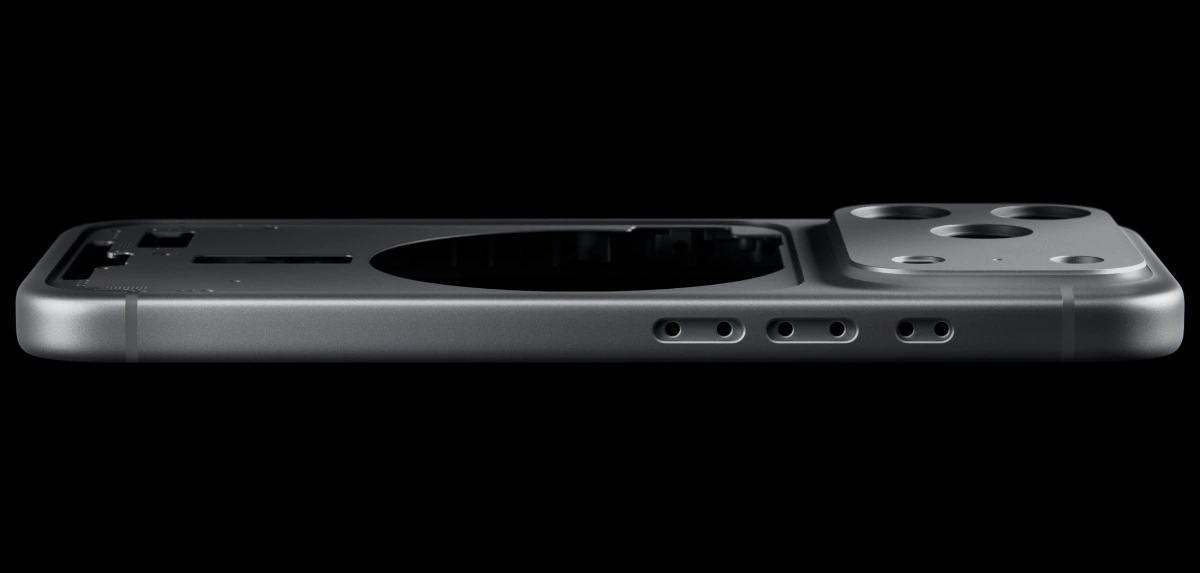
The milling itself was a ballet of technology and craftsmanship. Five-axis CNC machines, capable of moving in every dimension, sculpted the aluminum with a surgeon’s precision. Each cut, each pass, was meticulously calculated to ensure structural integrity while minimizing weight. The edges were chamfered to razor-thin perfection, the surfaces polished to a mirror-like sheen. But the true magic lay in the anodization process—a chemical bath that hardened the aluminum’s surface, imbuing it with a durability that rivaled steel.
This wasn’t just manufacturing; it was metallurgical poetry. The Unibody’s aluminum wasn’t just a material—it was a character, a silent guardian that protected the device’s inner workings while whispering to the user that this was something extraordinary.
The Ripple Effect: How the Unibody Redefined an Industry
The Unibody wasn’t just a product—it was a paradigm shift. Its impact reverberated far beyond the halls of Cupertino, echoing through the corridors of manufacturing, design, and consumer expectations. Competitors, once content with plastic and glass, were forced to confront a new reality: if Apple could achieve this level of precision and elegance, what did that mean for the rest of the industry?
Suddenly, smartphones became sleeker, more durable, and more desirable. The Unibody’s success proved that consumers were willing to pay a premium for craftsmanship, for the tactile satisfaction of a device that felt like an extension of themselves. This wasn’t just about functionality; it was about identity. A Unibody iPhone wasn’t just a tool—it was a statement.
But the Unibody’s influence extended even further. It democratized high-end manufacturing techniques, making CNC milling and advanced materials more accessible to other industries. Laptops, tablets, and even automobiles began adopting monocoque designs, inspired by Apple’s audacious leap. The Unibody didn’t just change how products were made; it changed what consumers expected from them.
In the years that followed, the Unibody became a symbol of Apple’s relentless pursuit of perfection—a reminder that innovation wasn’t just about what a product could do, but how it made you feel.
The Legacy of the Unibody: A Design That Stood the Test of Time
More than a decade after its debut, the Unibody remains a touchstone of industrial design. It wasn’t just a trend; it was a turning point. While newer materials and manufacturing techniques have since emerged, the Unibody’s core philosophy endures: simplicity is strength, and unity is power.
Today, as Apple continues to push the boundaries of what’s possible, the spirit of the Unibody lives on. It’s in the seamless curves of the MacBook Air, the precision of the Apple Watch, and the bold experimentation of the Vision Pro. The Unibody taught the world that design isn’t just about aesthetics—it’s about intention. Every curve, every edge, every millimeter of space is a deliberate choice, a testament to the idea that great design is invisible until it isn’t.
The Unibody didn’t just change manufacturing. It changed how we see the world. It proved that the future isn’t something we wait for—it’s something we create, one meticulous cut at a time.
In the grand narrative of human ingenuity, the Unibody stands as a chapter where art and engineering collided to redefine what was possible. It was more than a design—it was a declaration that the future could be forged, not assembled. And as we hold the next groundbreaking device in our hands, we’re reminded that every great innovation begins with a single, unyielding question: What if we dared to do it differently?


Leave a Comment