

Have you ever scrolled through your camera roll, paused on a self-portrait, and thought, “This looks like a glorified bathroom mirror snapshot.” You’re not alone. The line between a self-portrait and a selfie can feel thinner than a smartphone screen. But what if you could capture images that feel intentional, artistic, and even cinematic—without relying on a tripod and a timer? The secret lies not in the gear, but in the pose. So, let’s ask the real question: How do you strike a pose that feels authentic, dynamic, and undeniably *you*—without falling into the selfie trap?
Self-portraits aren’t just about pressing a button and hoping for the best. They’re about storytelling, body language, and the subtle art of self-awareness. Whether you’re using a smartphone, a mirrorless camera, or even a vintage film SLR, the pose is your brushstroke. It defines the mood, the narrative, and the emotional resonance of the image. So, how do you craft a pose that feels like a still from a film rather than a casual snapshot? Let’s dive into the anatomy of a compelling self-portrait pose—one that transforms you from subject to storyteller.
The Power of the Three-Point Pose: Structure Over Spontaneity
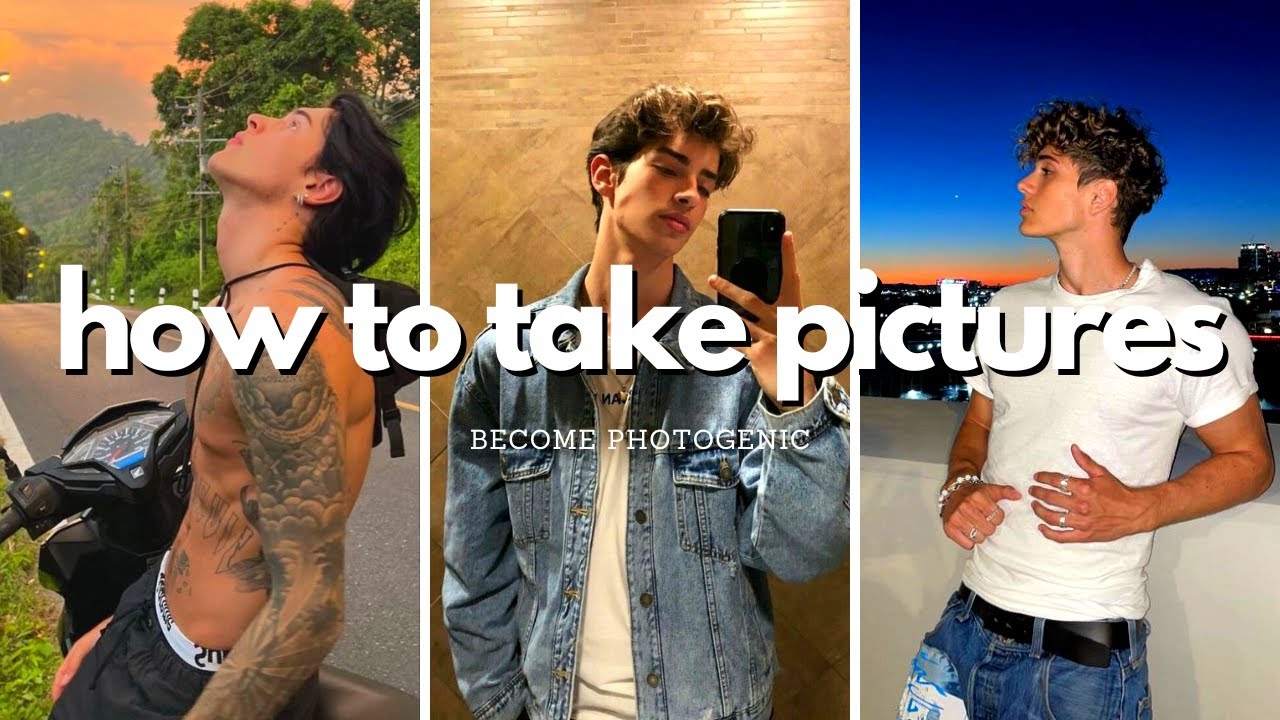
Forget the stiff, straight-on stance that screams “I took this in my bedroom at 2 AM.” The three-point pose is your secret weapon. Think of it as the architectural backbone of your self-portrait. Start by positioning your body at a slight angle—never square to the camera. This creates depth and visual interest. Then, adjust your hips, shoulders, and head in a cascading rhythm: hips slightly turned, one shoulder slightly forward, and your chin angled just enough to avoid a double-chin illusion. This isn’t just about looking good—it’s about feeling dynamic.
But here’s the twist: asymmetry is your ally. A perfectly symmetrical pose can feel static, almost robotic. Instead, introduce subtle imbalances. Shift your weight onto one leg. Let one arm hang loosely while the other rests on your hip. Even a slight tilt of the head can break the monotony. The goal? To make your pose feel like a fleeting moment, not a posed performance.

Hands: The Unsung Heroes of Expressive Poses
Hands are the most expressive part of the human body—and yet, they’re often the most overlooked in self-portraits. Clenched fists, awkwardly dangling arms, or hands stuffed in pockets can kill the mood faster than a poorly lit room. So, how do you make your hands work for you, not against you?
First, relax. Tension in the hands translates directly to tension in the viewer. Try gently resting your hand on your chin, or lightly touching your hair. Even a slight adjustment—like fingers loosely curled around a coffee cup—can add narrative weight. For a more dramatic effect, use your hands to frame your face, creating a natural vignette. Or, let them disappear into the frame, adding mystery and intrigue.
Pro tip: If you’re unsure what to do with your hands, hold something—a book, a hat, a vintage camera. Objects ground the pose and give your hands purpose. They become part of the story, not just an afterthought.
The Illusion of Movement: Dynamic Poses for a Cinematic Feel
Static poses have their place, but they can feel flat. To elevate your self-portrait, introduce the illusion of motion. This doesn’t mean you need to be in mid-jump (unless that’s your vibe). Instead, think of poses that suggest movement—even if you’re standing still.
Try the “walking pose”: Shift your weight onto one leg, bend the other slightly, and let your arms swing naturally. Or, the “lean”: Rest your elbow on a surface, tilt your head slightly, and let your gaze wander off-camera. These poses feel spontaneous, as if you’ve just paused mid-conversation or turned to answer a question.
Another technique? The “mirror moment.” Stand in front of a mirror (yes, really) and experiment with poses that feel natural when you’re not behind the camera. Capture the ones that make you pause and think, “This feels like me.” Authenticity is the ultimate filter.
Lighting: The Invisible Pose Director
No pose exists in a vacuum—it’s shaped by light. The direction, quality, and intensity of light can transform a mediocre pose into a masterpiece. Side lighting, for example, carves out shadows and adds dimension to your face. It highlights the contours of your pose, making even a simple stance feel sculptural.
Natural light is your best friend. Position yourself near a window, but avoid direct sunlight, which can create harsh shadows. Instead, opt for diffused light—like on an overcast day or during the golden hour. If you’re indoors, use a white sheet or a sheer curtain to soften the light. The goal? To illuminate your pose without flattening it.
Don’t forget about backlighting. A subtle glow behind you can separate you from the background, adding depth and drama. Just be mindful of exposure—your face should remain the focal point.
The Psychology of the Gaze: Where Do You Look?
Your eyes are the window to your soul—and in a self-portrait, they’re the bridge between you and the viewer. A direct gaze can feel confrontational, intimate, or even challenging. Averted eyes can suggest introspection, mystery, or distraction. So, how do you choose?
For a powerful self-portrait, try the “over-the-shoulder” gaze. Turn your head slightly away from the camera, but let your eyes meet the lens. This creates a sense of connection while adding intrigue. Alternatively, look just past the camera, as if you’re lost in thought. This subtle shift can make the viewer wonder, “What’s she thinking about?”
If you’re feeling bold, experiment with a side glance. It feels candid, almost voyeuristic. But be cautious—it can also come across as awkward if not executed carefully. The key is to practice in front of a mirror until the gaze feels natural, not forced.
Backgrounds: The Silent Storyteller
A pose doesn’t exist in isolation—it’s framed by its surroundings. The background can elevate your self-portrait from “nice photo” to “artistic statement.” But how do you choose the right backdrop?
Start with simplicity. A clean wall, a textured curtain, or an open window can keep the focus on you. But don’t shy away from complexity. A bookshelf, a cityscape, or a field of wildflowers can add layers to your narrative. The trick is to ensure the background complements your pose, not competes with it.
For a cohesive look, use a consistent color palette. Earthy tones can evoke warmth and nostalgia, while bold colors can create a striking contrast. If you’re outdoors, consider the time of day—morning light casts a soft glow, while late afternoon brings warm, directional shadows.
Embrace the Imperfections: Why Flaws Make the Pose
Here’s the truth: the most compelling self-portraits aren’t the ones where everything is perfect. They’re the ones where the pose feels real. Where the hair is slightly tousled, the shirt is rumpled, and the expression is unguarded. Perfection is overrated—authenticity is magnetic.
So, what if your pose isn’t “flawless”? What if your arm looks awkward, or your smile feels forced? Lean into it. Imperfections add character. They make the image feel like a slice of life, not a posed portrait. The goal isn’t to create a flawless image—it’s to create an image that feels like *you*.
Remember, the best self-portraits aren’t taken—they’re lived. They’re the moments where you pause, reflect, and capture a version of yourself that feels true. So, next time you step in front of the camera, ask yourself: What story do I want to tell? Then, let your pose be the answer.
The camera is waiting. The light is perfect. The pose is yours to craft. Now, go make it unforgettable.


Leave a Comment