

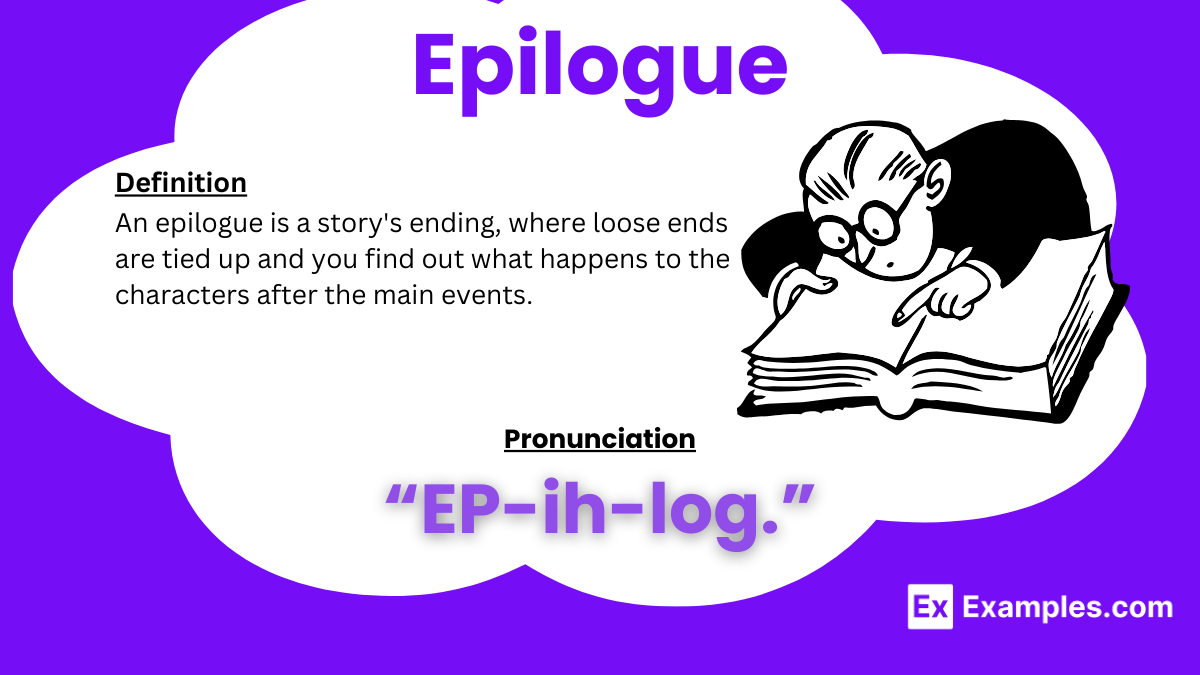
In the grand tapestry of storytelling, the epilogue is often the final thread that weaves together the loose ends of a narrative. Yet, what happens when that thread is left frayed, when the epilogue itself becomes a haunting presence—an unfinished symphony that lingers in the mind long after the last page is turned? For memoirists, crafting an ending that feels both resonant and unresolved can be a daring act of artistic defiance, one that mirrors the very essence of human transformation. The epilogue that haunts is not merely a conclusion; it is an invitation to sit with the discomfort of change, to embrace the ambiguity of a life in flux. It is the literary equivalent of standing at the edge of a cliff, toes curled over the precipice, knowing the fall will alter everything—but not yet knowing how.
The allure of an epilogue that lingers is rooted in its refusal to offer false closure. Life, after all, is not a neatly bound volume with a glossy jacket and a ribbon bookmark. It is a sprawling, messy, and often unpredictable journey where endings are merely illusions, and beginnings are always just around the corner. A haunting epilogue acknowledges this truth, leaving the reader with a sense of in medias res—a narrative suspended mid-air, as if the story could spill into the margins of their own lives. It is the literary equivalent of a door left ajar, a whisper of a story that refuses to be silenced.
The Art of the Unfinished: Why Some Epilogues Haunt Us
Consider the epilogue as a ghost story, where the past refuses to stay buried. It is not the polished denouement of a fairy tale, but the lingering echo of a conversation overheard in a crowded room—fragments of meaning that cling to the edges of consciousness. A haunting epilogue thrives on negative space, the unspoken tensions that linger between the lines. It is the silence after a confession, the unresolved tension in a relationship, the quiet hum of a life still in motion. This kind of ending does not provide answers; it poses questions that burrow into the reader’s mind like a splinter, impossible to ignore.
Take, for instance, the memoirist who ends their story not with triumph, but with the first tremors of a seismic shift. Perhaps they have just left a toxic job, or their marriage is crumbling, or they stand at the threshold of a new identity—one they have not yet fully embraced. The epilogue does not offer resolution; instead, it lingers on the threshold moment, that liminal space where everything is possible and nothing is certain. This is the power of the haunting epilogue: it does not tie up loose ends; it exposes them, inviting the reader to sit with the discomfort of not knowing what comes next.
The Psychology of the Haunting: Why We Can’t Look Away
There is a primal fascination with the unresolved, a psychological pull that draws us toward stories that refuse to conclude. This is the same force that makes us slow down to gawk at a car accident, or linger on the last frame of a film that ends on an ambiguous note. The haunting epilogue taps into this deep-seated curiosity, offering a glimpse into the unactualized potential of a life. It is the literary equivalent of a half-remembered dream, where the details are vivid but the meaning remains elusive.
From a psychological standpoint, the haunting epilogue triggers the Zeigarnik effect, the tendency to remember uncompleted or interrupted tasks better than completed ones. When a story ends without resolution, the reader’s mind is compelled to fill in the gaps, to imagine the possibilities that lie beyond the final page. This cognitive itch is what makes the haunting epilogue so unforgettable—it does not provide closure; it demands it. The reader becomes an active participant in the narrative, co-creating the ending in their own mind. In this way, the haunting epilogue is not just a literary device; it is a collaboration between writer and reader, a dance of imagination that continues long after the book is closed.
Moreover, the haunting epilogue resonates because it mirrors the human experience of change. Life is not a series of neat, linear progressions but a series of ruptures and realignments. We are constantly shedding old versions of ourselves, only to find that the new ones are not yet fully formed. The haunting epilogue captures this essence, leaving the reader with the sense that the story—and the life it represents—is still unfolding. It is the literary equivalent of a Polaroid photograph, still developing in the reader’s hands.
Crafting the Haunting Epilogue: Techniques for Memoirists
So how does one craft an epilogue that lingers like a half-remembered melody? The key lies in embracing ambiguity, in allowing the story to breathe beyond its final page. One technique is to focus on sensory details rather than narrative resolution. Instead of describing the outcome of a journey, linger on the texture of the moment—the scent of rain on hot pavement, the weight of a suitcase in hand, the sound of a door clicking shut behind you. These details create a sense of presence, of a life still in motion, even if the destination is unclear.
Another approach is to use circular storytelling, where the epilogue mirrors the opening of the memoir but with a twist. This technique creates a sense of symmetry while also highlighting the changes that have occurred. For example, a memoir that begins with the protagonist standing on a train platform, watching the city recede in the distance, might end with them standing on a different platform, this time with a one-way ticket in their pocket and no return date in sight. The circular structure reinforces the idea that the journey is ongoing, that the epilogue is merely a pause in a longer narrative.
Alternatively, the haunting epilogue can take the form of a letter or journal entry, a raw and unfiltered glimpse into the protagonist’s unspoken thoughts. This technique works particularly well for memoirs that deal with trauma, loss, or identity, as it allows the writer to convey the rawness of their emotions without the need for a neat resolution. The letter can be addressed to a person, a place, or even an abstract concept, such as time or fate. The key is to leave the reader with a sense of immediacy, as if they have stumbled upon a private moment of vulnerability.

The Risk and Reward of the Haunting Epilogue
Of course, crafting an epilogue that haunts is not without its risks. Some readers may crave the satisfaction of a tidy resolution, and an ambiguous ending can leave them feeling frustrated or unsatisfied. Others may struggle to connect with a story that refuses to provide clear answers. However, the rewards of the haunting epilogue far outweigh the risks. For the writer, it is an opportunity to push the boundaries of traditional memoir structure, to create something that feels alive and unpredictable. For the reader, it is a chance to engage with a story on a deeper level, to become an active participant in the narrative rather than a passive observer.
The haunting epilogue also has the power to transcend the page, to become a metaphor for the human experience itself. It reminds us that life is not a series of neat resolutions but a series of moments suspended in time. It challenges us to embrace the discomfort of not knowing, to sit with the ambiguity of change, and to find meaning in the unresolved. In this way, the haunting epilogue is not just an ending; it is an invitation to keep living, to keep changing, to keep evolving.
The Legacy of the Haunting Epilogue
Memoirs that end with a haunting epilogue often leave a lasting impression, not just because of their structure, but because of the emotions they evoke. They linger in the reader’s mind like a half-remembered dream, a story that refuses to be forgotten. This is the power of the haunting epilogue: it does not just tell a story; it becomes a part of the reader’s own narrative, a whisper of a life still in motion.
Consider the memoirist who ends their story not with a triumphant return, but with a quiet acknowledgment of the road ahead. Perhaps they have just reunited with a lost family member, or they have finally found the courage to pursue their dreams, or they stand at the edge of a new chapter, unsure of what comes next. The epilogue does not offer a resolution; instead, it leaves the reader with a sense of possibility, a reminder that life is a journey without a final destination. This is the unique appeal of the haunting epilogue: it does not provide closure; it invites the reader to keep writing their own story.
In the end, the haunting epilogue is a testament to the power of storytelling itself. It reminds us that the most compelling narratives are not those that tie up loose ends, but those that leave us with a sense of wonder, a curiosity about what comes next. It is the literary equivalent of a door left ajar, a whisper of a story that refuses to be silenced. And perhaps, in leaving that door open, the memoirist invites the reader not just to witness their journey, but to embark on their own.


Leave a Comment