

In the vast, untamed wilderness of storytelling, where every word is a footprint in the snow and every sentence a whisper in the wind, tension is the predator that stalks your narrative. Without it, your tale is a campfire story told in daylight—flat, forgettable, and utterly devoid of danger. But when tension takes root, it burrows deep into the psyche of your reader, gnawing at their curiosity until they are compelled to turn the page, to uncover the next twist, to feel the pulse of uncertainty quicken in their chest. The Four-Corner Conflict Model is the architect’s blueprint for constructing a narrative fortress where tension thrives like ivy on ancient stone. It is not merely a tool; it is a crucible where characters are forged, where motives collide, and where the very air hums with the electricity of unresolved desire.
Imagine, if you will, a chessboard where each piece is a living, breathing soul, each square a battleground of wills. The Four-Corner Model is the invisible hand that arranges these pieces not in a straight line, but in a dynamic, ever-shifting quadrilateral. Here, conflict is not a single thread but a braided rope, thick with the fibers of opposing forces. It is the difference between a storm that rumbles in the distance and a tempest that tears the roof off your story. This model does not just introduce conflict—it orchestrates it, ensuring that every interaction, every decision, every glance between characters is laced with the potential for eruption. Let us embark on a journey through this model, where the stakes are high, the players are complex, and the tension is as inevitable as the dawn.
The First Corner: The Protagonist’s Unyielding Desire
The protagonist is not merely the hero of your tale; they are the fulcrum upon which the entire narrative balances. Their desire is the spark that ignites the fire, but it is also the chasm into which they may fall if that desire is left unfulfilled. This corner of the model is not about a vague yearning for happiness or success—it is about a specific, urgent need that drives the character forward like a locomotive hurtling toward an unseen obstacle. It is the knight’s quest for the grail, the lover’s desperate search for the lost letter, the scientist’s obsession with solving the unsolvable equation. This desire must be so potent that it feels like a physical weight, dragging the protagonist—and the reader—deeper into the story’s labyrinth.
But here lies the first twist of the knife: the protagonist’s desire must be flawed. It cannot be a noble pursuit without consequence, nor can it be a selfish whim without merit. The most compelling desires are those that are both justified and doomed, like a moth drawn to a flame it cannot resist. Perhaps the protagonist seeks justice, but their methods are ruthless. Perhaps they crave love, but their heart is a locked vault. This flaw is the crack in the armor, the vulnerability that makes their journey not just a path to victory, but a descent into moral ambiguity. The reader must feel the tension between admiration for the protagonist’s resolve and unease at the cost of their pursuit. This is where the first sparks of conflict begin to fly.
The Second Corner: The Antagonist’s Relentless Opposition
If the protagonist’s desire is the flame, then the antagonist is the wind that threatens to snuff it out—or, in some cases, the bellows that stoke it into an inferno. The antagonist is not merely an obstacle; they are a mirror, a shadow, a dark reflection of the protagonist’s own flaws magnified a hundredfold. Their opposition is not born of malice alone (though malice is a potent spice in this stew); it is born of a desire that is equally unyielding, equally flawed, and equally capable of driving the story forward. The antagonist’s goal may be the destruction of the protagonist’s dream, the preservation of their own power, or the exposure of a truth the protagonist cannot bear to face. Whatever their motive, it must be as compelling and as morally complex as the protagonist’s own.
What makes this corner of the model so deliciously treacherous is the potential for the antagonist to be right. Not in a simplistic, black-and-white sense, but in a way that forces the reader to question where the line between hero and villain truly lies. Perhaps the antagonist is a guardian protecting a secret that would unravel the protagonist’s world. Perhaps they are a former ally, now a traitor, who believes the protagonist’s path will lead to ruin. The tension here is not just in the clash of wills but in the clash of ideologies, of ethics, of fundamental beliefs. The reader must be left wondering: is the protagonist fighting for the right thing, or are they the true villain in this drama? This ambiguity is the crucible in which narrative tension is refined to its most potent form.

The Third Corner: The External Forces That Shape the Battlefield
No conflict exists in a vacuum. The protagonist and antagonist may be locked in their duel, but they are not alone in the arena. The world around them is a living, breathing entity, a third corner of the model that exerts its own pressures, its own demands, its own cruel whims. These external forces can take many forms: societal expectations that chain the protagonist to a life they never wanted, natural disasters that test their resilience, political machinations that pit them against unseen enemies, or even the capricious hand of fate that seems determined to thwart their every move. These forces are not mere background noise; they are active participants in the drama, shaping the conflict in ways that are often unpredictable and always challenging.
The genius of this corner lies in its ability to complicate the protagonist’s journey without resorting to contrivance. A well-crafted external force does not just throw obstacles in the protagonist’s path; it forces them to adapt, to compromise, to confront their own limitations. Perhaps the protagonist’s desire is to save their village from a flood, but the antagonist is a corrupt official who controls the levees. Perhaps the protagonist seeks to uncover a conspiracy, but the conspiracy is embedded in the very institutions they once trusted. The tension here is not just in the struggle against these forces but in the realization that victory may require the protagonist to change in ways they never anticipated. This is where the story transcends mere plot and becomes a journey of transformation.
The Fourth Corner: The Moral and Emotional Crossroads
If the first three corners of the model are the gears that turn the narrative engine, then the fourth corner is the spark that ignites the fuel. This is where the protagonist, the antagonist, and the external forces converge in a moment of reckoning—a crossroads where choices are not just made but felt. It is the point where the protagonist must decide whether to cling to their flawed desire or to let it go, where the antagonist must confront the cost of their ruthlessness, where the external forces reveal their true nature. This corner is not about action in the physical sense; it is about the weight of action, the burden of consequence, the shattering or strengthening of the soul.
The tension in this corner is not derived from external threats but from the internal conflict that has been simmering beneath the surface of the story. It is the moment when the protagonist stands at the edge of a cliff, not just physically but metaphorically, and must choose between two equally unpalatable paths. Will they betray their own principles to achieve their goal? Will they sacrifice a loved one for the sake of their ambition? Will they accept that their desire was never worth the cost? The reader’s pulse quickens not because of what might happen next, but because of what must happen next—the inevitable collision of desire, opposition, and consequence.
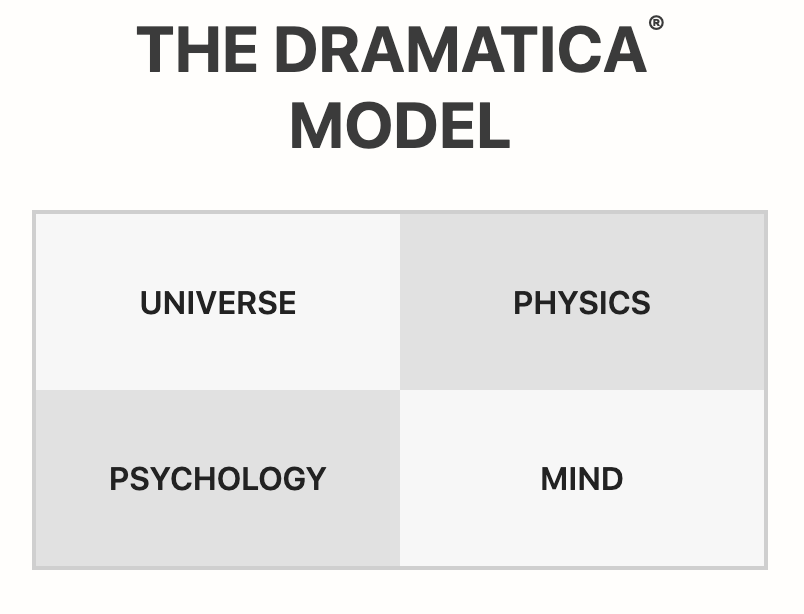
The Alchemy of the Four Corners: How They Interact to Create Unforgettable Tension
The true magic of the Four-Corner Conflict Model lies not in its individual parts but in how they interact. Like the four elements of alchemy—earth, air, fire, and water—each corner must be balanced, but never in stasis. The protagonist’s desire must clash with the antagonist’s opposition, while the external forces twist the knife, and the moral crossroads demand a reckoning. The tension is not a single thread but a braid, each strand pulling tighter as the story progresses. The reader is not just invested in the outcome; they are invested in the process, in the way the characters are forced to evolve, in the way the world itself seems to conspire against their hopes.
Consider, for example, a story where the protagonist is a detective chasing a serial killer (the antagonist). The external force is a city plagued by corruption, where even the police force is complicit in the killer’s crimes. The moral crossroads comes when the detective uncovers that the killer is someone they once trusted—a mentor, a friend. The tension here is not just in the chase but in the detective’s struggle to reconcile their duty with their loyalty, their justice with their grief. The reader is not just waiting for the killer to be caught; they are waiting for the detective to decide what kind of person they will become in the aftermath.
This is the power of the Four-Corner Model: it transforms conflict from a mere plot device into a living, breathing force that shapes the story and the characters within it. It ensures that tension is not a fleeting sensation but a constant presence, a shadow that lingers in every scene, in every conversation, in every glance. The reader does not just want to know what happens next; they need to know, because the stakes feel personal, the choices feel irreversible, and the world feels real.
In the end, the Four-Corner Conflict Model is more than a tool—it is a philosophy of storytelling. It reminds us that the most compelling narratives are not those where conflict is resolved neatly, but where it is transcended. Where the protagonist’s desire is not just fulfilled but transformed, where the antagonist’s opposition is not just defeated but understood, where the external forces are not just overcome but integrated into the fabric of the story. It is a model that demands courage from the writer, for it requires them to embrace ambiguity, to delve into the messy, painful heart of human nature, and to trust that the reader will follow them there.
So go forth, armed with this model, and build your narrative fortress. Let the tension rise like a storm on the horizon, let the characters clash like swords in the dark, let the reader’s heart pound with every page. Remember: the best stories are not those where nothing goes wrong, but where everything could go wrong—and somehow, against all odds, the characters find a way forward. That is the alchemy of the Four-Corner Conflict Model, and it is yours to wield.


Leave a Comment