

In the grand theater of illumination, where beams of light are the unsung heroes of every performance, a silent revolution has been brewing. It’s a clash not of titans, but of technologies—Fresnel lenses, PAR fixtures, and LED panels—each vying for the spotlight in the hands of stage managers who demand precision, power, and panache. This isn’t just a technical skirmish; it’s a philosophical duel over how we sculpt light itself. So, grab your gobo, tighten your gel frame, and let’s dive into the luminous fray where the future of stagecraft is being written in photons.
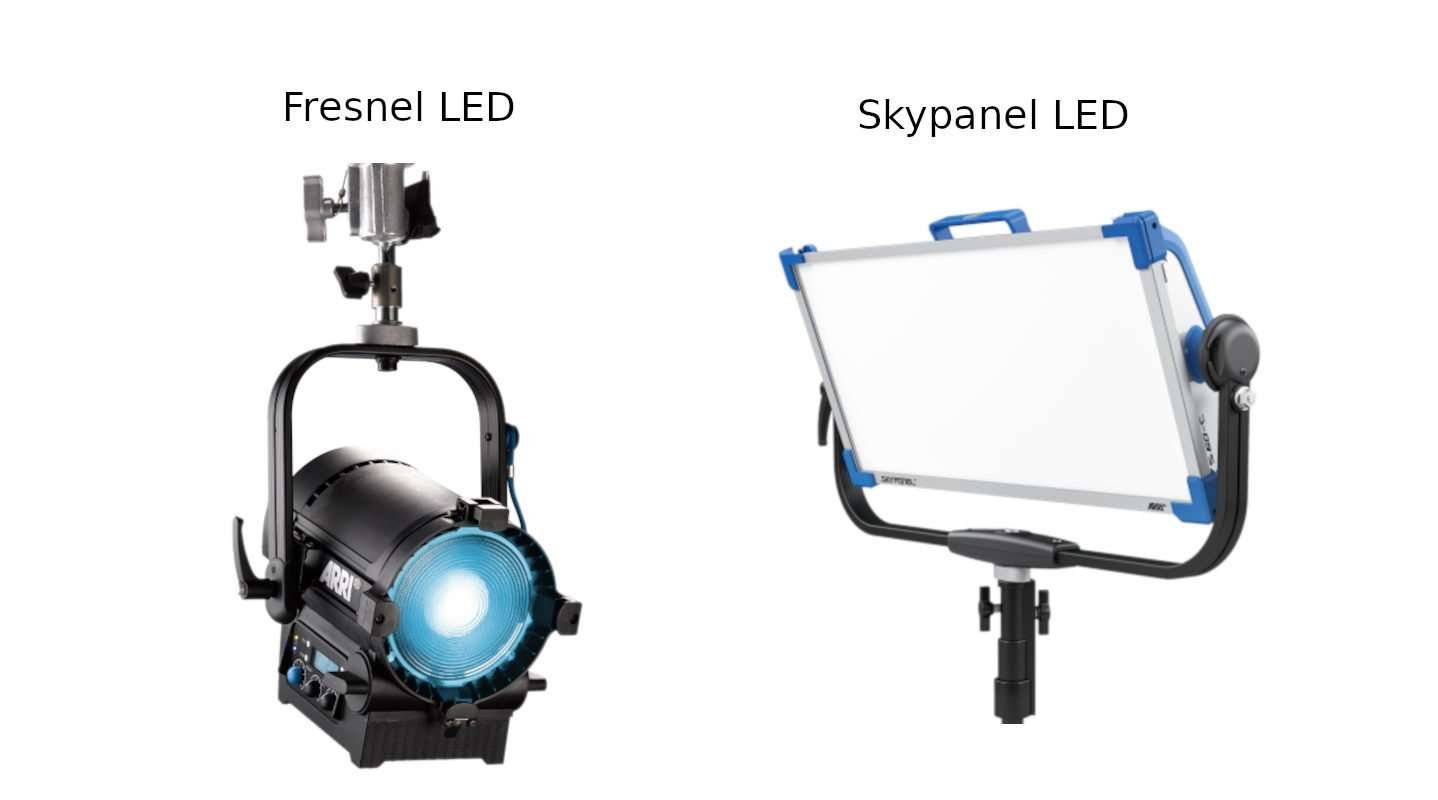
The stage is a canvas, and light is the brushstroke that defines its soul. But not all brushes are created equal. Enter the Fresnel lens, the venerable workhorse of theatrical lighting, a relic of ingenuity that has illuminated everything from grand opera houses to indie rock venues. Named after its creator, French physicist Augustin-Jean Fresnel, this lens is a marvel of optical engineering—a series of concentric, stepped rings that bend light with surgical precision. It’s the difference between a sledgehammer and a scalpel: where a PAR fixture blasts broad strokes of color, a Fresnel carves delicate pools of light, its beam soft at the edges yet razor-sharp at the core. Stage managers swear by it for its ability to create that elusive “moonlight through lace” effect, where shadows dance like whispers on a velvet curtain.
Yet, the Fresnel’s reign is not unchallenged. Enter the PAR fixture, the brute-force powerhouse of the lighting world. PAR stands for Parabolic Aluminized Reflector, and it’s exactly what it sounds like—a mirrored bowl that focuses light into a tight, controlled beam. Where a Fresnel might gently cradle a beam, a PAR hurls it like a javelin, slicing through the air with relentless intensity. It’s the go-to for wash lighting, where broad swaths of color need to blanket the stage in a single, searing stroke. The PAR’s strength lies in its simplicity: fewer moving parts, less fuss, more impact. But beware its limitations—its beam is as rigid as a soldier’s salute, offering little in the way of subtlety or nuance. For the stage manager who prizes control above all else, a PAR is a blunt instrument, a tool of last resort when finesse is not an option.
Then there’s the LED panel, the new kid on the block with a chip on its shoulder. LEDs have stormed the stage like a digital revolution, promising energy efficiency, color-changing prowess, and a level of control that would make a Fresnel blush. No gels. No lamps to burn out. Just pure, pixelated light that can shift from a fiery sunset to a glacial blue in the blink of an eye. The LED panel is the chameleon of the lighting world, adapting to any mood, any scene, any whim of the director. But here’s the catch: while it can mimic the softness of a Fresnel or the intensity of a PAR, it often does so with a digital flatness, a lack of the organic warmth that makes traditional lighting feel alive. It’s the difference between a hand-painted portrait and a high-definition print—both can be stunning, but one carries the soul of the artist.
So, how does a stage manager choose between these luminous gladiators? The answer lies in understanding their unique appeals and the alchemy of their combined strengths. Imagine a symphony orchestra: the Fresnel is the violin, delicate and expressive; the PAR is the timpani, thunderous and commanding; the LED panel is the synthesizer, versatile and futuristic. A master conductor doesn’t pit these instruments against each other—they weave them together, each playing its part in a grander composition. Similarly, the savviest stage managers deploy these tools in concert, using a Fresnel to paint a character’s face in golden hues, a PAR to bathe the set in a dramatic crimson, and an LED panel to pulse the background with the rhythm of the music.
The Fresnel: The Maestro of Subtlety
The Fresnel lens is the stage manager’s scalpel, a tool that rewards patience and precision. Its soft-edged beams are ideal for creating depth, texture, and atmosphere. Need to evoke the dappled light of a forest canopy? A Fresnel with a half-gobos can do that. Want to cast the eerie glow of a streetlamp through a rain-streaked window? Tilt the lens, feather the beam, and let the magic unfold. The Fresnel’s stepped design allows for a level of control over beam spread that PARs and LEDs can only dream of. It’s the difference between shouting at your audience and whispering a secret they’ll never forget.
But the Fresnel is not without its quirks. Its soft edges can be a double-edged sword—while they lend a dreamy quality to the light, they can also make it harder to contain, spilling into areas where it’s not wanted. And let’s not forget the heat. Old-school Fresnels are notorious for turning into portable space heaters, their tungsten lamps casting a warm, almost tactile glow that can be as much a burden as a blessing in a cramped venue. Modern LED Fresnels have mitigated this issue, but purists argue they lack the soul of their incandescent ancestors.
The PAR: The Unyielding Titan
If the Fresnel is the poet of the stage, the PAR is the gladiator. It doesn’t ask for permission; it takes the stage by force. Need to blind the audience with the blinding glare of a stadium floodlight? The PAR is your weapon of choice. Want to bathe the entire set in a single, unbroken wash of color? A PAR can do that with the efficiency of a well-oiled machine. Its parabolic reflector ensures that every photon is directed where it’s needed, with minimal waste. This makes it the darling of touring productions, where reliability and power trump all other considerations.
Yet, the PAR’s rigidity is also its Achilles’ heel. Its beam is as unyielding as a spotlight in a noir film, offering little in the way of adjustment or finesse. Gels can degrade over time, and the heat from a PAR’s lamp can warp gels, gels frames, and even the fixtures themselves. And while modern LED PARs have improved on these issues, they often struggle to replicate the raw intensity of their traditional counterparts. For the stage manager who values control above all else, the PAR can feel like a sledgehammer in a world that demands a feather’s touch.
The LED Panel: The Digital Chameleon
The LED panel is the stage manager’s Swiss Army knife—a tool that can adapt to any situation, any mood, any vision. Need to simulate the flicker of a candle? Done. Want to create a pulsating aurora that shifts in real-time with the music? Easy. The LED panel’s ability to change colors and intensities on the fly makes it a powerhouse for dynamic, immersive productions. It’s the lighting equivalent of a mood ring, responding to the emotional temperature of the scene with the precision of a metronome.
But the LED panel’s versatility comes at a cost. Its digital nature can sometimes feel sterile, lacking the organic warmth of traditional lighting. The pixels that make up its light can create a “screen door” effect, where the beam appears grainy or fragmented at certain distances. And while LED technology has come a long way, it still struggles to replicate the deep, rich hues of gelled incandescent light. For purists, the LED panel can feel like a compromise—a necessary evil in an age of energy efficiency and digital control.
The Art of Combination: When to Use What
The true art of stage lighting lies not in choosing one tool over another, but in knowing when to deploy each with surgical precision. Picture this: a moody jazz club, where the Fresnel’s soft glow caresses the faces of the musicians, while a PAR fixture lurks in the shadows, ready to blast the drummer with a sudden burst of color during a solo. Meanwhile, an LED panel pulses in the background, its colors shifting like the reflections on a rain-slicked street. It’s a symphony of light, each instrument playing its part in perfect harmony.
For dramatic productions, the Fresnel is your best friend. Its ability to create depth and texture makes it ideal for character-driven scenes where subtlety is key. The PAR, on the other hand, is the workhorse of musicals and large-scale productions, where broad washes and bold colors are the order of the day. And the LED panel? It’s the wildcard, the tool that can elevate a production from the ordinary to the extraordinary with its dynamic, ever-changing light.

The Future: Where Do We Go From Here?
The war between Fresnel, PAR, and LED is far from over. In fact, it’s evolving into something far more interesting—a fusion of technologies that promises to redefine the very nature of stage lighting. Imagine a Fresnel with built-in LED engines, combining the softness of its lens with the versatility of digital control. Picture a PAR fixture that can shift its beam angle on the fly, adapting to the needs of the scene without missing a beat. The future of stage lighting is not about choosing sides; it’s about embracing the strengths of each tool and weaving them into a tapestry of light that is greater than the sum of its parts.
As stage managers, our job is not to pick a winner in this luminous battle, but to understand the unique appeals of each tool and deploy them with intention. The Fresnel, the PAR, and the LED panel are not rivals—they are allies, each offering a different shade of the spectrum with which to paint our masterpieces. So, the next time you step onto the stage, ask yourself: What story do I want to tell? And which tool will help me tell it best?
In the end, the greatest stage managers are not those who wield the most powerful tools, but those who understand the language of light itself. Whether it’s the gentle caress of a Fresnel, the thunderous roar of a PAR, or the digital dance of an LED panel, the magic lies in how we choose to illuminate the world—and make it unforgettable.


Leave a Comment