

The art of filigree is a testament to human ingenuity—a delicate dance of metal and precision where wires thinner than a human hair are woven into breathtaking patterns. This ancient craft, dating back to the Egyptians and flourishing in the Renaissance, has seen a modern resurgence as artists and engineers alike rediscover its potential. From jewelry that whispers of forgotten empires to microelectronic circuits that power our digital world, filigree is more than an aesthetic pursuit; it is a bridge between art and science. Let’s explore the lost art of filigree, its intricate techniques, and the surprising places where wires finer than silk continue to shape our lives.
The Alchemy of Wire: Crafting Threads Finer Than a Spider’s Silk
At the heart of filigree lies the mastery of wire-drawing—a process so precise it borders on alchemy. Traditional filigree artisans begin with a spool of metal, often gold, silver, or copper, and coax it through progressively smaller dies until the wire achieves a gossamer thinness. Modern techniques have refined this process; today, some wires measure less than 0.02 millimeters in diameter—thinner than a strand of human hair. The challenge? Maintaining ductility without snapping. Artisans use annealing, a controlled heating process, to soften the metal, allowing it to stretch without fracturing. The result is a thread so fine it can be bent into loops smaller than a pinprick, yet strong enough to hold intricate designs in place.
But filigree isn’t confined to precious metals. Innovators have pushed the boundaries with unconventional materials. Platinum, with its high melting point, allows for delicate work in high-temperature applications, while tungsten—nearly as strong as steel—enables filigree patterns that defy gravity. Even conductive alloys like nichrome are drawn into ultra-thin wires for use in heating elements and sensors. The choice of material dictates the filigree’s purpose: some wires are meant to dazzle, others to function, and a rare few do both.
From Renaissance Goldsmiths to Modern Marvels: A Legacy of Precision
The filigree we see in museums today is a relic of a time when artisans had no choice but to work by hand. In 16th-century Europe, goldsmiths in Florence and Venice crafted elaborate jewelry using only a magnifying glass and a steady hand. Their techniques were closely guarded secrets, passed down through generations. A single piece could take months to complete, with each twist and turn of the wire requiring unparalleled patience. The result? Pieces like the Filigree Cross of Lothair, a 10th-century artifact so intricate that its craftsmanship remains unmatched by modern machinery.
Yet, the legacy of filigree extends far beyond adornment. In the 19th century, inventors like Michael Faraday experimented with thin wires to study electromagnetism, laying the groundwork for modern electronics. Today, filigree techniques are employed in microfabrication, where circuits thinner than a human hair are etched onto silicon wafers to create the chips that power our smartphones and computers. The same precision that once adorned royal crowns now enables the invisible infrastructure of our digital age. It’s a humbling reminder that the tools of art and science are often the same—just wielded for different purposes.
Techniques That Bend Reality: The Secrets Behind the Patterns
Filigree is not merely about thin wires; it’s about the art of manipulating them into forms that seem to defy physics. The most common technique is looping, where wires are bent into tiny circles and soldered together to form lace-like structures. Another is beading, where minuscule granules of metal are fused onto the wire, creating texture and depth. For the truly ambitious, granulation—a lost Roman technique—recreates tiny spheres of metal that adhere to the wire without solder, a process so precise it was once thought to involve supernatural skill.
Modern adaptations have introduced electroforming, a process where a conductive wire is coated with metal through electrolysis, allowing for even more complex geometries. In jewelry, this technique enables designs that appear to float in mid-air, supported by nothing but the thinnest of threads. Meanwhile, in engineering, laser welding fuses ultra-thin wires with pinpoint accuracy, creating scaffolds for medical implants or components in aerospace technology. The boundaries between art and engineering blur as filigree techniques are repurposed for innovation.
Filigree in the Digital Age: Where Art Meets Algorithm
The digital revolution has given filigree a new canvas. Computer-aided design (CAD) software now allows artists to draft impossibly complex patterns before a single wire is bent. These designs are then translated into instructions for CNC machines or 3D printers, which can weave wires into pre-programmed shapes with machine-like precision. Some contemporary jewelers use generative design, where algorithms propose filigree patterns based on aesthetic rules, resulting in pieces that look organic yet mathematically perfect.
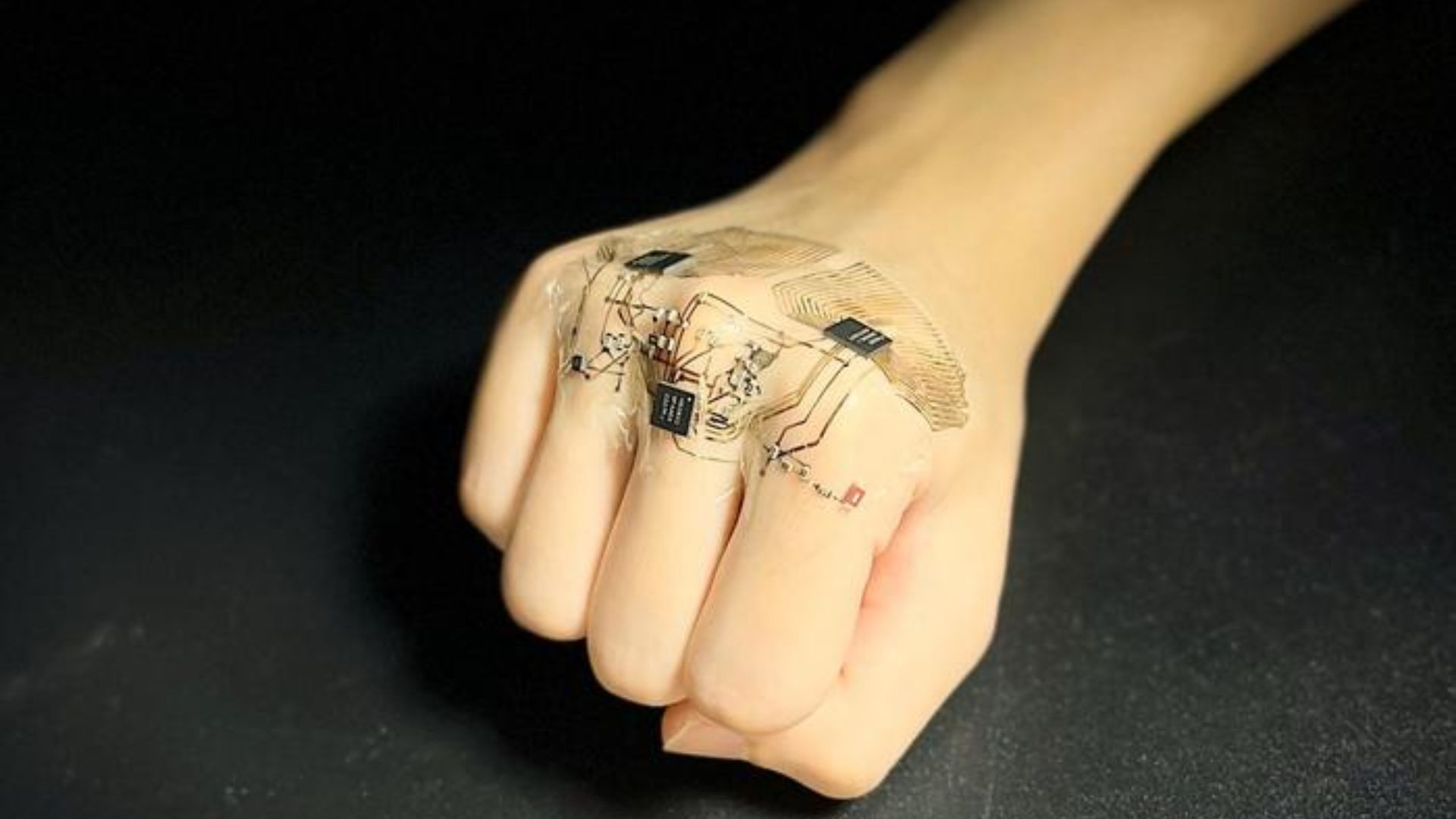
Beyond jewelry, filigree has found a home in wearable technology. Imagine a dress embroidered with circuits so fine they’re invisible to the naked eye, or a bracelet that monitors your heart rate using threads of conductive silver. Researchers are even exploring filigree scaffolds for tissue engineering, where ultra-thin metal wires provide a framework for cells to grow into artificial organs. The same techniques that once adorned the elite are now being used to heal and connect.
Preserving the Craft: The Last Masters and Their Heirs
Despite its resurgence, filigree remains a niche art form, with only a handful of master artisans keeping the tradition alive. In places like Jaipur, India, and Tuscany, Italy, workshops still teach the old ways, though the number of apprentices dwindles each year. The challenge is twofold: passing down the tactile knowledge of wire manipulation and making the craft economically viable in a world dominated by mass production. Some artisans have turned to collaborative design, partnering with tech companies to create hybrid pieces that blend handcrafted filigree with digital functionality.
Yet, hope lies in unexpected places. Universities now offer courses in microfabrication and nanotechnology, where students learn to manipulate wires at scales that would baffle Renaissance goldsmiths. Meanwhile, social media has given filigree artists a global stage, with platforms like Instagram showcasing their work to audiences who might otherwise never encounter such delicacy. The craft is no longer lost—it’s evolving, adapting, and finding new audiences in the most surprising corners of the world.
The Future of Filigree: Threads That Shape Tomorrow
As we stand on the precipice of a new era, filigree is poised to play a pivotal role in fields we’ve yet to imagine. In quantum computing, ultra-thin wires may serve as the conduits for qubits, the building blocks of next-generation processors. In sustainable energy, filigree-like structures could enhance the efficiency of solar panels by maximizing surface area while minimizing material use. Even in space exploration, where every gram counts, lightweight filigree frameworks could be deployed as antennas or support structures for satellites.
The art of filigree reminds us that the smallest things often have the greatest impact. A wire thinner than a hair can carry the weight of history, the spark of innovation, or the promise of a healthier future. It is a craft that demands patience, precision, and a willingness to see the world in miniature. Whether adorning a queen’s crown or powering a drone on Mars, filigree endures—not just as a relic, but as a living, breathing testament to human creativity.
So the next time you hold a piece of jewelry or marvel at a technological marvel, take a moment to consider the threads that bind them together. In their delicate curves and hidden strength, they tell a story of artistry, ingenuity, and the timeless allure of the impossible made tangible.


Leave a Comment