

The cello’s thumb position is a realm where the instrument transcends its usual sonic boundaries, transforming a single finger into an entire orchestra. When executed with precision, the one-finger vibrato in thumb position doesn’t just mimic the warmth of a string section—it *becomes* one, weaving a tapestry of shimmering overtones and resonant depth. This technique, often overlooked in favor of the more conventional fingered vibrato, is a secret weapon for cellists seeking to unlock a richer, more expansive sound palette. Whether you’re a seasoned performer or an ambitious student, mastering the thumb position vibrato will elevate your playing from mere notes to a symphonic experience.
Imagine pressing down on a single string with your thumb, feeling the vibration travel through the cello’s body like a current of electricity. Now, instead of a rigid, lifeless pitch, you introduce a subtle, undulating motion—a vibrato—that breathes life into the note. The result? A sound that doesn’t just fill the room but *envelops* it, as if the cello itself has grown a choir of voices. This is the magic of the one-finger vibrato in thumb position, a technique that demands both technical finesse and a deep understanding of resonance. Let’s dive into the nuances of this extraordinary skill, exploring its mechanics, its expressive potential, and the transformative power it holds for your playing.
The Anatomy of Thumb Position: Where Physics Meets Poetry
Thumb position on the cello is a marvel of ergonomic design, where the thumb acts as a fulcrum, balancing the weight of the hand across the fingerboard. Unlike the traditional fingered positions, where the fingers press perpendicular to the strings, thumb position requires a horizontal alignment, with the thumb acting as a pivot point. This shift in orientation changes the way sound is produced—less about direct pressure and more about resonance and sympathetic vibration.
When you place your thumb on the string, you’re not just stopping the pitch; you’re creating a new node of vibration. The string now oscillates between the thumb and the bridge, producing a complex harmonic series that includes not just the fundamental pitch but also its overtones. A well-executed vibrato in this position doesn’t just oscillate the pitch—it modulates the entire harmonic spectrum, turning a single note into a chorus of shimmering partials. The key lies in the thumb’s placement: too close to the bridge, and the sound becomes thin and metallic; too far up the fingerboard, and the resonance loses its depth. The sweet spot is often found where the thumb’s pressure is light but deliberate, allowing the string to vibrate freely while still maintaining control.
To feel this in action, try playing a note in thumb position with a slow, deliberate vibrato. Notice how the sound seems to *pulse*, as if the cello itself is breathing. This isn’t just aural illusion—it’s the result of the vibrato interacting with the instrument’s natural harmonics, creating a phenomenon known as beating, where the overtones reinforce or cancel each other out in a mesmerizing dance. The thumb position vibrato, when done right, doesn’t just add expression; it *redefines* the note’s identity.

Types of Thumb Position Vibrato: From Subtle Shimmer to Bold Oratory
The one-finger vibrato in thumb position isn’t a one-size-fits-all technique. Depending on the musical context, the desired effect, and the cellist’s personal style, there are several distinct approaches to this vibrato, each with its own character and application. Understanding these variations will allow you to tailor your sound to the demands of the music, whether you’re evoking the tender lyricism of a Romantic piece or the fiery intensity of a virtuosic showpiece.
1. The Gentle Pulse (Andante Vibrato)
This is the most common and versatile form of thumb position vibrato, characterized by a slow, even oscillation that enhances the note’s warmth without overpowering it. The motion originates from the wrist, with a slight rotation of the forearm to create a smooth, undulating pitch. This vibrato is ideal for lyrical passages, where the goal is to sustain the note’s resonance while adding a touch of humanity. Think of the opening of Elgar’s Cello Concerto—here, the thumb position vibrato isn’t just decorative; it’s essential, transforming a simple melody into something deeply expressive.
2. The Expressive Wobble (Vibrato Rubato)
For moments of heightened emotion, the thumb position vibrato can take on a more irregular, almost improvisational quality. This is where the cellist allows the vibrato to become less metrical, with slight accelerandos and ritardandos in the oscillation. The result is a sound that feels more like speech than music—a technique that lends itself beautifully to recitative-like passages or cadenza-like moments in concertos. The key here is control: the vibrato should feel intentional, not chaotic, with each fluctuation serving a dramatic purpose.
3. The Bold Shake (Fortissimo Vibrato)
In virtuosic repertoire, the thumb position vibrato can become a powerful tool for projection. This is a faster, more pronounced vibrato, often combined with a slight pressure variation in the thumb to emphasize the note’s attack. The motion comes from the elbow, creating a wider, more dramatic oscillation that cuts through the texture of an orchestra. This technique is particularly effective in passages requiring a strong, declarative tone, such as the opening of Saint-Saëns’ Allegro Appassionato or the climactic moments of Shostakovich’s Cello Concerto No. 1.
4. The Whispering Tremolo (Pianissimo Vibrato)
Not all vibrato needs to be loud or overt. In delicate, hushed passages, a subtle, almost imperceptible vibrato can add a layer of intimacy and mystery. This is achieved with a very narrow oscillation, often combined with a lighter thumb pressure to allow the string’s natural harmonics to ring through. The effect is subtle but profound, as if the note is vibrating on its own, independent of the player’s intervention. This technique shines in works like Debussy’s Cello Sonata or the slow movements of Bach’s Suites.
Each of these vibrato types serves a different musical purpose, and the best cellists are those who can seamlessly transition between them, adapting their technique to the demands of the music. The thumb position vibrato isn’t just a tool for expression—it’s a language, one that speaks in shades of color, emotion, and intensity.
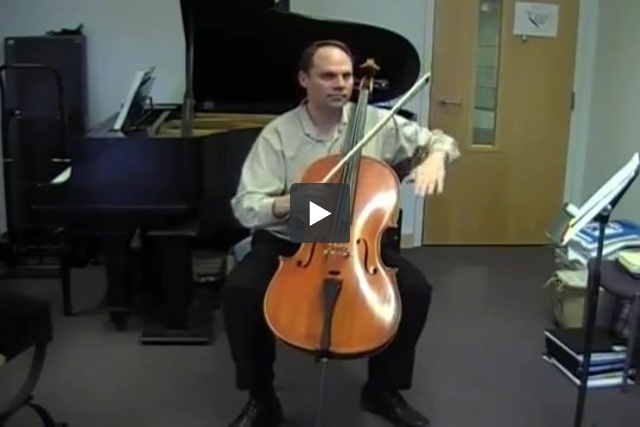
Exercises to Unlock the Full Potential of Thumb Position Vibrato
Mastering the thumb position vibrato requires more than just theoretical knowledge—it demands rigorous practice, patience, and a willingness to experiment. The following exercises are designed to build the necessary muscle memory, control, and ear training to make this technique second nature. Approach them with curiosity, and don’t be afraid to adjust the tempo or pressure to suit your needs.
Exercise 1: The Anchor Drill
Begin by placing your thumb in thumb position on the A string (around the 7th position). Press down lightly, just enough to produce a clear pitch. Now, without moving your thumb, introduce a slow vibrato using your wrist. The goal here is to feel the string’s resistance and to train your ear to hear the subtle pitch fluctuations. Start with a metronome at 60 BPM, aiming for one oscillation per beat. Gradually increase the speed as your control improves.
Exercise 2: The Harmonic Resonance Test
Play a note in thumb position and listen for its natural harmonics. Now, introduce a vibrato and observe how the overtones interact with the fundamental pitch. You should hear a gentle pulsing effect, known as beating. Experiment with the speed and width of your vibrato to see how it affects the resonance. This exercise will help you develop an intuitive sense of how the vibrato enhances the note’s depth.
Exercise 3: The Dynamic Shift Challenge
Choose a passage in thumb position that requires a range of dynamics. Play the passage with a constant vibrato, but vary the width and speed of the oscillation to match the dynamic markings. For example, in a piano section, use a narrow, slow vibrato; in a forte section, widen and quicken the oscillation. This exercise trains your ability to adapt the vibrato to the musical context.
Exercise 4: The Silent Practice
This is a mental exercise to refine your vibrato’s precision. Place your thumb in thumb position and imagine the vibrato motion without actually moving your hand. Focus on the sensation of the oscillation and the sound it would produce. This technique, known as mental practice, has been shown to improve muscle memory and intonation, even when you’re not physically playing.
Exercise 5: The Orchestral Mimicry
Select a short excerpt from an orchestral work that features a string section playing in unison (e.g., the opening of Tchaikovsky’s Symphony No. 5). Play the passage in thumb position, aiming to mimic the collective vibrato of the orchestra. This exercise will help you develop a sense of how your vibrato contributes to a larger ensemble sound.
Consistency is key. Dedicate at least 15 minutes a day to these exercises, and track your progress over time. Record yourself regularly to identify areas for improvement, and don’t hesitate to seek feedback from a teacher or peers. The thumb position vibrato is a lifelong journey, but with persistence, it will become an indispensable part of your musical voice.

Common Pitfalls and How to Avoid Them
Even the most experienced cellists can fall into traps when exploring thumb position vibrato. Recognizing these pitfalls early will save you time, frustration, and potential injury. The most common issues stem from poor thumb placement, excessive tension, or a lack of awareness of the string’s resonance. Let’s address these challenges head-on, with practical solutions to keep your technique clean and effective.
1. The Thumb Cramp
A frequent complaint among cellists is thumb fatigue or cramping, often caused by gripping the string too tightly. The thumb should act as a gentle anchor, not a vise. To avoid this, practice with a lighter touch, focusing on the sensation of the string vibrating against your thumb rather than the pressure of your grip. Strengthening the muscles in your hand and forearm through targeted exercises (like squeezing a stress ball) can also help.
2. The Muted Resonance
If your thumb position vibrato sounds dull or lifeless, it’s likely because the thumb is placed too close to the bridge, damping the string’s natural vibration. Experiment with moving your thumb slightly higher up the fingerboard, closer to the octave harmonic. You should notice an immediate improvement in the note’s brightness and resonance. Remember, the thumb’s role is to facilitate vibration, not suppress it.
3. The Wobbly Pitch
An unstable vibrato can make your playing sound amateurish, especially in slower passages. This often happens when the wrist motion is too loose or the forearm isn’t engaged enough. To stabilize your vibrato, practice with a metronome, ensuring that each oscillation is even and controlled. Focus on initiating the motion from the forearm, with the wrist acting as a flexible hinge. Over time, your vibrato will become more precise and intentional.
4. The Overly Wide Vibrato
While a bold vibrato has its place, an excessively wide oscillation can make your playing sound uncontrolled or even comical. In thumb position, the vibrato should enhance the note’s beauty, not overwhelm it. Start with a narrow oscillation and gradually widen it as your control improves. Pay attention to the musical context—some passages call for subtlety, while others demand drama.
5. The Ignored Harmonics
One of the thumb position vibrato’s greatest strengths is its ability to bring out the string’s harmonics, yet many cellists overlook this aspect. To harness the full potential of this technique, train your ear to listen for the overtones. Practice playing a note in thumb position and isolating its upper partials by adjusting your vibrato’s speed and width. This exercise will deepen your understanding of the cello’s acoustic properties and elevate your playing to new heights.
The path to mastering thumb position vibrato is not without its challenges, but each obstacle overcome brings you one step closer to unlocking the cello’s true orchestral power. Stay patient, stay curious, and most importantly, stay attuned to the sound you’re creating. The cello’s voice is waiting to be unleashed.
The one-finger vibrato in thumb position is more than a technique—it’s a revelation. When executed with intention and finesse, it transforms the cello from a solo instrument into an entire ensemble, capable of evoking the lush harmonies of a string section or the haunting whispers of a distant choir. This is the magic of thumb position: a single finger, a single string, and a world of sound at your command.
As you continue to explore this technique, remember that the goal isn’t perfection but expression. The cello’s voice is yours to shape, to mold, and to share. Whether you’re playing a tender melody or a thunderous cadenza, let the thumb position vibrato be your guide—a bridge between the technical and the transcendent. The orchestra is waiting. It’s time to play.


Leave a Comment