

Have you ever stood at the edge of a cliff, staring into the vast expanse of a new book launch, wondering how to ensure your literary masterpiece doesn’t just whisper into the void? The pre-launch phase is where the magic begins—not in the roar of the launch day, but in the quiet, deliberate steps taken long before the first reader cracks open your book. Today, we’re diving into a strategy so potent, it turns the tide before the tide even knows it’s coming: the Pre-Launch ARC Strategy. This isn’t just about sending out early copies; it’s about orchestrating a symphony of anticipation, leveraging platforms like NetGalley and BookSirens, and mastering the art of direct distribution. Buckle up—because by the end of this, you’ll see your book’s launch not as a single event, but as a crescendo of carefully timed revelations.
Imagine, for a moment, that your book is a secret garden. You wouldn’t just throw open the gates on launch day and hope for the best, would you? No. You’d plant the seeds early, tend to the soil, and let the whispers of its existence spread like wildfire before the grand reveal. That’s the essence of the Pre-Launch ARC Strategy. It’s not merely about distribution—it’s about cultivation. It’s about turning early readers into evangelists, critics into collaborators, and the unknown into the inevitable. But here’s the playful challenge: how do you balance the allure of exclusivity with the hunger for accessibility? How do you make readers feel like they’re part of an elite club while ensuring your book doesn’t get lost in the shuffle of the digital haystack? The answer lies in a multi-pronged approach that marries the precision of direct distribution with the reach of curated platforms.
The Power of ARCs: Why Early Copies Are Your Secret Weapon
Advanced Reader Copies (ARCs) are the unsung heroes of the publishing world. They’re the sneak peeks, the golden tickets, the “I’ve got the inside scoop” badges that turn casual browsers into committed fans. But why are they so pivotal? Because they do more than just distribute books—they create momentum. When you send an ARC to a reader, you’re not just giving them a book; you’re giving them a story to share, a conversation to start, and a stake in your success. The psychological pull is undeniable: people love feeling like insiders. They’ll tweet about it, post about it, and tell their friends about it—long before the book hits the shelves.
Consider this: a single ARC recipient can become a ripple in a vast ocean of influence. One enthusiastic review on NetGalley can snowball into dozens, then hundreds, then thousands. But here’s the catch—it’s not enough to just hand out ARCs willy-nilly. The key is curation. You want readers who are genuinely interested in your genre, who have the platform to amplify your message, and who are willing to engage deeply with your work. This is where platforms like NetGalley and BookSirens shine. They act as matchmakers, connecting your book with the right readers, ensuring that your ARCs land in hands that will nurture them into something greater.
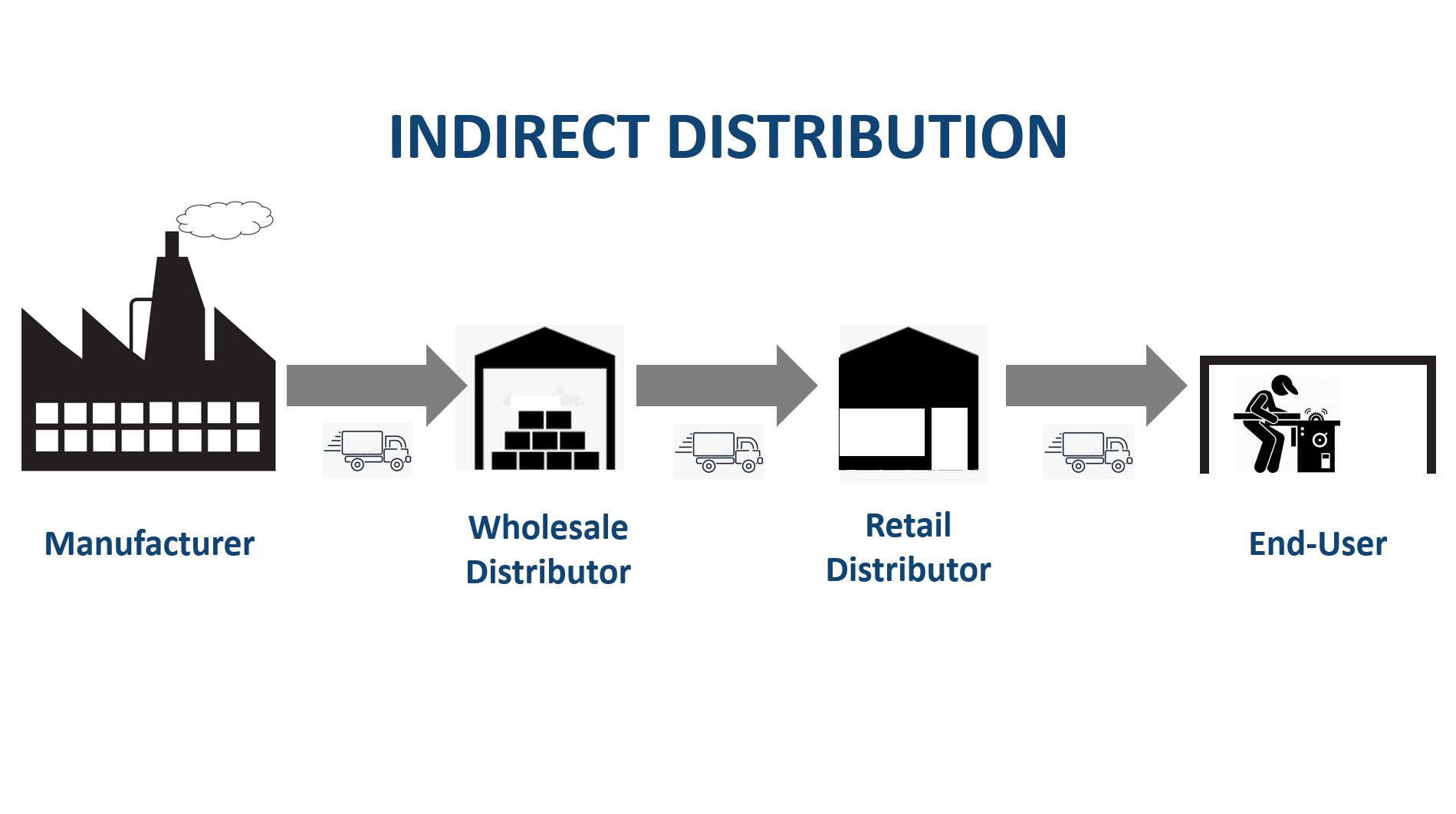
Yet, even the most meticulously curated ARC campaign can falter if it’s not paired with a robust direct distribution strategy. Why? Because ARCs are just the appetizer. The main course—the full launch—requires a different kind of hunger. Direct distribution ensures that once the hype is built, your book is readily available wherever your readers are looking. It’s the difference between a flash in the pan and a sustained blaze. So, how do you bridge the gap between the exclusivity of ARCs and the accessibility of a full launch? The answer lies in a seamless transition from one to the other, guided by data, timing, and a deep understanding of your audience’s behavior.
NetGalley and BookSirens: The Dynamic Duo of Pre-Launch Buzz
NetGalley and BookSirens are the dynamic duo of the pre-launch universe. They’re not just platforms; they’re ecosystems designed to foster early engagement, gather invaluable feedback, and build a community around your book. NetGalley, with its vast network of librarians, bloggers, and reviewers, is like the bustling marketplace where your book can be discovered by those who are actively seeking new reads. BookSirens, on the other hand, is the intimate salon where dedicated readers gather to discuss and dissect books in a more focused environment. Together, they create a powerhouse of pre-launch potential.
But how do you leverage these platforms effectively? It starts with understanding their unique strengths. NetGalley is ideal for reaching a broad audience quickly. Its interface is user-friendly, its reach is extensive, and its tools for tracking engagement are robust. You can monitor how many readers have downloaded your ARC, how many have started reading, and how many have finished. This data is gold—it tells you not just who’s interested, but how deeply they’re engaging with your work. Are they highlighting passages? Skimming the first chapter and abandoning it? These insights allow you to refine your marketing messages, adjust your pitch, and even tweak your book’s presentation before launch.
BookSirens, meanwhile, is the perfect platform for cultivating a more niche audience. Its community is tight-knit, its readers are voracious, and its feedback is detailed. When you list your book on BookSirens, you’re not just sending it into the void; you’re placing it directly into the hands of readers who are eager to discuss, debate, and dissect. The feedback you receive here is often more nuanced, more personal, and more actionable than what you’d get from a broader platform. It’s the difference between a standing ovation and a standing invitation to the inner circle.

Of course, the real magic happens when you combine the reach of NetGalley with the intimacy of BookSirens. Imagine this: you launch your ARC campaign on NetGalley to build initial buzz, then follow up with a curated list of BookSirens reviewers who can dive deeper into your book’s themes, characters, and nuances. The result? A two-pronged approach that maximizes both visibility and engagement. But remember, the goal isn’t just to get your book into the hands of readers—it’s to turn those readers into advocates. And that requires more than just distribution; it requires connection.
Direct Distribution: The Unsung Hero of the Pre-Launch Phase
While ARCs are the spark that ignites the fire, direct distribution is the fuel that keeps it burning. It’s the bridge between the exclusivity of early access and the accessibility of a full launch. But what exactly is direct distribution, and why is it so crucial? Direct distribution means selling your book directly to readers through your own channels—your website, your email list, your social media platforms—without relying on intermediaries like Amazon or traditional bookstores. It’s about owning the relationship with your audience, from the first ARC download to the final purchase.
The benefits of direct distribution are manifold. First, it gives you control. You decide when, where, and how your book is available. You’re not at the mercy of algorithms or stock shortages. Second, it allows you to gather data. Every direct sale is a data point—you know who bought your book, when they bought it, and how they found it. This information is invaluable for refining your marketing strategy and understanding your audience’s behavior. Third, it fosters a sense of community. When readers buy directly from you, they’re not just customers; they’re part of your tribe. They’re more likely to leave reviews, recommend your book to others, and engage with your future projects.
But direct distribution isn’t without its challenges. The most obvious is the learning curve. Setting up a direct sales platform requires technical know-how, whether you’re using a service like Gumroad, Shopify, or a custom solution on your website. You’ll need to handle payment processing, shipping (if applicable), and customer service. It’s a lot to manage, especially if you’re already juggling writing, editing, and marketing. That’s why it’s essential to start small. Begin with a simple pre-order page on your website, offering signed copies or exclusive bonuses to incentivize direct purchases. Then, as you grow more comfortable, expand your offerings to include digital downloads, merchandise, or even membership tiers.

Another challenge is visibility. How do you drive traffic to your direct sales page when the big platforms like Amazon dominate the market? The answer lies in leveraging the buzz you’ve already built with your ARC campaign. Use your email list to announce exclusive direct sales opportunities. Offer limited-time discounts or bonuses to ARC recipients who purchase directly from you. Promote your direct sales page on social media, highlighting the perks of buying early—signed copies, personalized notes, or early access to future projects. The key is to make your direct sales channel feel like an upgrade, not a consolation prize.
Timing is Everything: Orchestrating the Pre-Launch Crescendo
Even the most brilliant strategy can fall flat if the timing is off. The pre-launch phase is a delicate dance, a choreography of anticipation, engagement, and release. So, when should you start your ARC campaign? When should you ramp up your direct distribution efforts? And how do you ensure that every step builds on the last, creating a crescendo that peaks at launch day?
The answer depends on your book’s genre, your audience, and your goals. For most fiction books, a 3-6 month pre-launch campaign is ideal. This gives you enough time to build buzz, gather reviews, and refine your marketing messages without rushing the process. For non-fiction books, especially those tied to current events or trends, a shorter campaign—6-8 weeks—might be more appropriate. The key is to start early enough to create momentum but not so early that your audience loses interest.
Here’s a rough timeline to consider:
- Month 1-2: Prepare your ARC materials. This includes formatting your book for digital and print, creating compelling metadata, and designing eye-catching cover images. Set up your NetGalley and BookSirens listings, and start reaching out to reviewers and influencers in your niche.
- Month 3: Launch your ARC campaign. Begin with a soft launch to a small group of trusted reviewers, then expand to a broader audience. Monitor engagement closely, and use the feedback to refine your book’s presentation and marketing messages.
- Month 4: Ramp up your direct distribution efforts. Set up your pre-order page, and start promoting it to your ARC recipients and email list. Offer incentives for early purchases, such as signed copies or exclusive bonuses.
- Month 5: Build anticipation for launch day. Use social media, email newsletters, and blog tours to keep your audience engaged. Share behind-the-scenes content, teasers, and countdowns to create a sense of urgency.
- Launch Day: Release your book to the world. But don’t stop there. Continue promoting your direct sales channel, and leverage the momentum from your ARC campaign to drive sales on launch day and beyond.
Of course, this timeline is just a starting point. Every book is unique, and your strategy should be tailored to your specific needs and goals. The key is to stay flexible, monitor your progress closely, and adjust your approach as needed. The pre-launch phase is not a set-it-and-forget-it endeavor; it’s a dynamic, evolving process that requires constant attention and refinement.
The Grand Finale: Turning Pre-Launch into a Launch to Remember
As the dust settles on launch day, it’s easy to breathe a sigh of relief and think, “We did it.” But the truth is, the real work has only just begun. The pre-launch phase is just the overture to the main event—the sustained success of your book in the marketplace. So, how do you ensure that the momentum you’ve built doesn’t fizzle out? How do you turn a successful pre-launch into a launch that resonates for months, even years, to come?
The answer lies in continuity. The strategies you used to build buzz before launch—ARC campaigns, direct distribution, and community engagement—shouldn’t disappear once your book is available to the public. Instead, they should evolve. Continue to nurture your relationship with ARC recipients, turning them into long-term fans who eagerly await your next project. Keep promoting your direct sales channel, offering exclusive content, and building a community around your work. And don’t forget to leverage the reviews and feedback you’ve gathered during the pre-launch phase to refine your marketing messages and target your audience more effectively.
But perhaps the most important thing to remember is this: the pre-launch phase is not just about selling books. It’s about building a legacy. It’s about creating a body of work that resonates with readers, that sparks conversations, and that stands the test of time. Your book is more than a product; it’s a piece of your soul. And the pre-launch strategy you employ should reflect that. It should be thoughtful, deliberate, and infused with the same passion that went into writing your book in the first place.
So, as you stand on the precipice of your book’s launch, ask yourself this: Are you ready to turn the tide? Are you ready to orchestrate a pre-launch strategy that doesn’t just whisper into the void, but echoes through the halls of literary history? The tools are at your fingertips. The audience is waiting. All that’s left is for you to take the first step.


Leave a Comment