

Have you ever walked into a grand cathedral and felt an inexplicable sense of awe, as if the very air hummed with reverence? Or perhaps you’ve lingered in a cozy café with low ceilings, feeling an odd comfort, as though the space wrapped around you like a well-worn sweater. Ceiling height isn’t just an architectural afterthought—it’s a silent architect of human emotion, shaping our moods, behaviors, and even our perceptions of reality. The psychology of ceiling height is a fascinating labyrinth where biology, culture, and design collide, revealing why some spaces make us feel small and others invincible.
But what if you don’t have the luxury of soaring ceilings or vaulted grandeur? Fear not. The secret isn’t just in the height itself but in how we manipulate perception to evoke the same psychological responses. Whether you’re designing a home, curating a workspace, or simply trying to understand why certain rooms leave you feeling drained, this exploration will uncover the hidden forces at play—and how to harness them, even on a budget.
The Ceiling as a Psychological Canvas: Why Height Matters
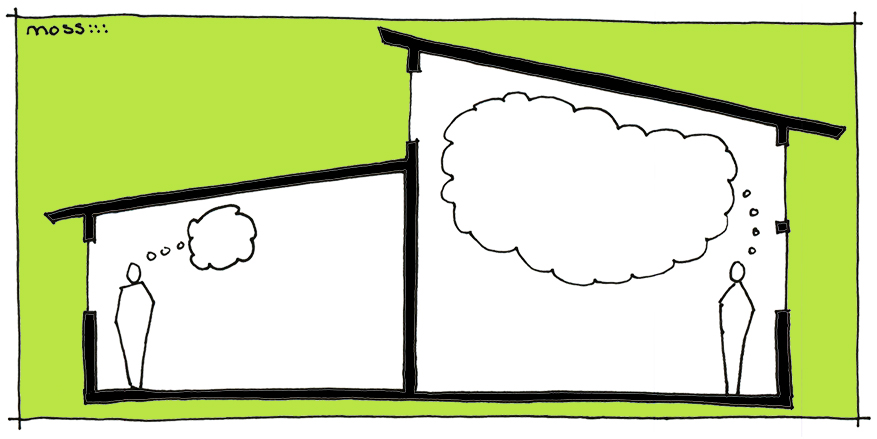
Our brains are wired to interpret vertical space as a metaphor for power, freedom, and possibility. Evolutionarily, high ceilings mimic the open skies our ancestors relied upon for safety and opportunity. When we stand beneath a towering ceiling, our subconscious associates it with abundance and escape—an instinctual response that triggers a cascade of positive emotions. Studies have shown that people in rooms with higher ceilings report feeling more creative, less constrained, and even physically lighter, as if the extra air itself carries a sense of liberation.
Conversely, low ceilings can feel like a gentle embrace or a suffocating shroud, depending on context. In intimate settings, such as a snug reading nook or a dimly lit tavern, low ceilings create a cocooning effect, fostering intimacy and focus. But in sterile environments—like a windowless office or a basement apartment—they can amplify feelings of oppression, making even the simplest tasks feel like a slog through molasses. The key lies in the narrative the ceiling tells: is it a vault of potential or a cage of limitation?
The Science Behind the Sensation: How Ceilings Shape Thought
Neuroscientists and environmental psychologists have long been intrigued by the ceiling’s influence on cognition. One landmark study from the University of Minnesota found that participants in rooms with higher ceilings performed better on abstract thinking tasks, while those in lower-ceilinged rooms excelled at detail-oriented work. The researchers posited that high ceilings prime the mind for expansive, big-picture thinking—ideal for brainstorming sessions or artistic endeavors—while low ceilings encourage meticulous, detail-driven focus, perfect for tasks requiring precision.
But the magic doesn’t stop there. Lighting plays a symbiotic role in this psychological dance. A high ceiling bathed in natural light can feel like a breath of fresh air, literally and figuratively, enhancing mood and productivity. On the other hand, a low ceiling with harsh, artificial lighting can feel oppressive, casting long shadows that distort perception and drain energy. The interplay between height and light is a delicate alchemy, one that can transform a space from a dreary dungeon to a sanctuary of clarity.
Then there’s the concept of ceiling height relativity. Our brains don’t measure height in absolute terms but in relation to our surroundings. A 10-foot ceiling might feel palatial in a modest apartment but cramped in a cathedral. This relativity explains why the same ceiling height can evoke different emotions in different contexts. A loft apartment with exposed beams might feel airy and industrial, while a basement rec room with the same height might feel claustrophobic. The difference lies in the surrounding elements—light, color, texture, and even the furniture’s scale.
Faking the Vault: Practical Tricks to Elevate Your Space
Not everyone has the privilege of designing a home with 14-foot ceilings, but that doesn’t mean you’re doomed to a life of psychological confinement. With a few clever tricks, you can trick your brain into perceiving more space—and the benefits that come with it.
1. Vertical Illusions: Paint and Patterns
Light colors on walls and ceilings can create the illusion of height by reflecting more light and minimizing visual clutter. Opt for soft whites, pale blues, or barely-there grays to make the ceiling feel like it’s receding into the distance. For a bolder approach, consider vertical stripes or subtle geometric patterns. These draw the eye upward, elongating the space and reinforcing the sense of verticality. Avoid horizontal stripes, which can make ceilings feel lower by emphasizing width over height.
2. Lighting: The Invisible Architect
Lighting is the unsung hero of spatial perception. Recessed lighting or track lighting can make ceilings feel higher by eliminating the visual weight of bulky fixtures. For a dramatic effect, install upward-facing wall sconces or floor lamps that cast light onto the ceiling, creating a soft glow that lifts the eye. Mirrors are another powerful tool—strategically placed, they can reflect light and double the perceived height of a room. A large mirror on a wall opposite a window can make a low-ceilinged room feel twice as tall.
3. Furniture and Scale: Think Tall, Feel Tall
The size and placement of furniture can either emphasize or diminish a room’s height. Opt for pieces with legs that expose the floor, such as a sleek dining table or a mid-century modern sofa. This creates a visual break between the furniture and the ceiling, making the space feel more open. Avoid bulky, low-slung furniture that hugs the floor, as it can make ceilings feel lower. Instead, choose tall bookshelves, floor-to-ceiling curtains, and tall plants to draw the eye upward and reinforce the illusion of height.
4. Architectural Details: The Devil’s in the Details
Crown molding, wainscoting, and coffered ceilings can add depth and dimension to a room, making ceilings feel higher than they are. Even simple decorative elements, like a painted ceiling medallion or a faux beam, can create the illusion of structural height. For a modern twist, consider a floating ceiling effect, where a secondary ceiling is installed a few inches below the actual ceiling, creating a recessed border that adds visual interest and draws the eye upward.

Cultural and Historical Echoes: Ceilings as Status Symbols
The psychology of ceiling height isn’t just a modern fascination—it’s woven into the fabric of human history. From the soaring vaults of Gothic cathedrals to the opulent coffered ceilings of Renaissance palaces, height has long been a symbol of power, divinity, and wealth. In ancient Rome, the domus of the elite featured high ceilings and open atriums, a deliberate display of status that set them apart from the cramped insulae of the lower classes. Even today, the ceilings of luxury hotels and corporate headquarters are often exaggerated to convey prestige and exclusivity.
In many cultures, the ceiling’s height is tied to spiritual or philosophical beliefs. In Feng Shui, for example, high ceilings are associated with the flow of qi (life force), while low ceilings are thought to trap energy, creating stagnation. Similarly, in Japanese architecture, the concept of ma—the space between objects—is crucial. A room with a high ceiling allows for greater ma, fostering a sense of tranquility and openness. These cultural nuances remind us that our fascination with ceiling height is deeply rooted in our collective psyche, transcending mere aesthetics to touch on something far more primal.
When Low Ceilings Are Your Ally: The Art of Intimate Spaces
While high ceilings have their charms, low ceilings aren’t inherently inferior—they simply serve a different psychological purpose. In fact, some of the most beloved spaces in the world owe their magic to their intimate, low-ceilinged embrace. Think of a cozy bookstore with shelves that almost touch the ceiling, or a traditional Japanese washitsu (tatami room) with its gently sloping ceiling. These spaces excel at fostering connection, focus, and comfort.
The key to making low ceilings work for you lies in embracing their strengths. Warm lighting, such as Edison bulbs or candlelight, can soften the space and create a sense of coziness. Textured walls, like exposed brick or wood paneling, add depth and warmth, making the ceiling feel less like a lid and more like a comforting canopy. Even the choice of furniture can shift the mood—plush sofas, oversized armchairs, and thick rugs can make a low-ceilinged room feel like a hug rather than a trap.
For those who work from home, a low-ceilinged nook can be a sanctuary of productivity. The psychological comfort of enclosure can reduce distractions and create a sense of security, making it easier to focus on tasks that require deep concentration. The trick is to balance the space with elements that draw the eye upward, such as a statement light fixture or a vertical gallery wall, to prevent the ceiling from feeling oppressive.
Beyond the Room: Ceiling Height in Urban Design and Public Spaces
The psychology of ceiling height extends beyond the four walls of a home—it shapes our experience of entire cities. Wide boulevards with towering buildings create a sense of grandeur and possibility, while narrow, low-slung streets can feel intimate and communal. Public spaces like libraries, museums, and shopping malls often use ceiling height to guide visitors’ emotions. A grand museum atrium with a soaring ceiling might inspire awe and reverence, while a boutique café with a low, sloped ceiling might encourage lingering and relaxation.
Even in the digital age, the principles of ceiling height apply to virtual spaces. Web designers use the concept of above-the-fold content to create a sense of depth and hierarchy, much like the layers of a ceiling. A website with ample white space and tall, airy sections can feel more inviting and trustworthy than one crammed with content and low, cluttered sections. The lesson is clear: whether physical or digital, the way we design vertical space shapes how we feel and interact with the world.
As you move through your day, take a moment to notice the ceilings around you. Are they soaring or stifling? Do they make you feel expansive or enclosed? The answers might surprise you. Ceiling height is more than a design choice—it’s a silent storyteller, shaping our emotions, behaviors, and even our sense of self. And the best part? You don’t need a construction crew to rewrite the narrative. With a little creativity, you can transform any space into a psychological masterpiece, one that lifts your spirits, sharpens your mind, or wraps you in comfort—all without changing a single beam.


Leave a Comment