

Have you ever watched a blues guitarist and wondered how they make their strings weep like a sorrowful soul or scream like a midnight train? You press down, you pull the string, and—nothing. The note just hangs there, lifeless, like a deflated balloon. Meanwhile, your favorite six-string sorcerer bends a single note into a vocal wail that makes the room shiver. What’s their secret? Is it the guitar? The strings? The mystical force of the blues gods smiling upon them?
Spoiler: It’s not the string. It’s not the guitar. It’s not even the amp (though a good reverb certainly helps). The real secret lies in something far more elusive—and far more human. It’s in the touch, the intention, and the connection between your fingers and the music itself. Today, we’re going to pull back the curtain on the art of bending notes like a blues legend. And yes—there’s a challenge waiting for you at the end. One that might just change how you hear the guitar forever.
The Myth of the Perfect String (And Why It’s Holding You Back)
Let’s start by dismantling a myth that’s been sold to guitarists since the dawn of time: the idea that bending notes is all about the string. “Oh, you need lighter strings,” they say. “Thicker strings give more tension,” they claim. “Nickel-plated strings bend better,” they insist. But here’s the truth: strings are just the messenger. They transmit your energy into sound, but they don’t create the magic themselves.
Think about it. Jimi Hendrix bent strings with a set of .010s. Stevie Ray Vaughan did the same with .013s. B.B. King could make a single note cry with strings that were practically ancient. The difference wasn’t the gauge—it was how they pulled the string. The angle of their finger. The pressure behind the bend. The way they listened to the pitch as it climbed.
So before you go swapping out your strings in search of the “perfect” bend, ask yourself: Are you really listening to the note, or just hoping the string will do the work for you?
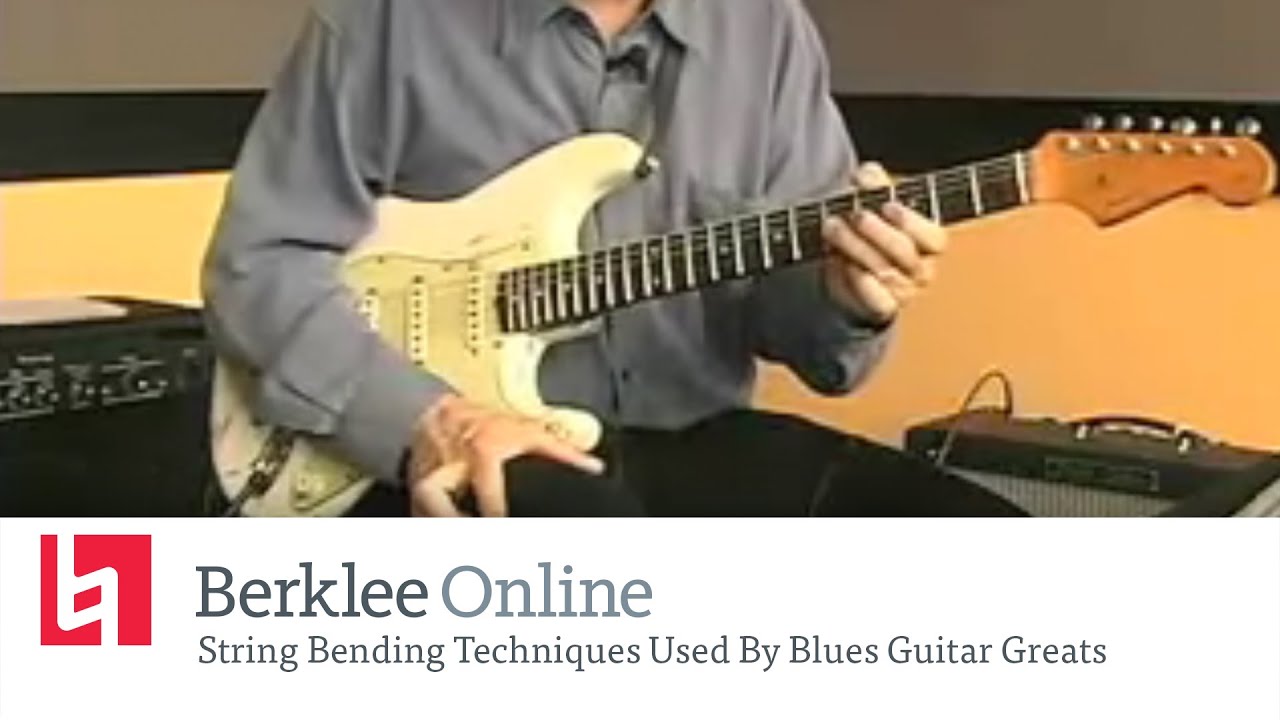
The Physics of a Perfect Bend (Without the Science Class)
Bending a string isn’t just about brute force—it’s about precision. When you push a string sideways, you’re not just changing its pitch; you’re altering its tension, its harmonic content, and even the way it vibrates against the fret. A great bend isn’t just in tune—it’s expressive.
Here’s how it works: When you bend a string, you’re essentially shortening its speaking length, which raises the pitch. But the magic happens in the timbre—the color of the note. A well-executed bend should sound like a voice, not a machine. It should quiver, wobble, and pulse with emotion. That’s why the best bends aren’t just about hitting the right pitch; they’re about feeling the note as it moves.
Try this: Play a note on the G string (third string) at the 12th fret. Now, bend it up a whole step to the pitch of the B string at the 14th fret. Hear the difference? The bent note should have a richness, a depth, that the unbent note lacks. That’s the harmonic magic of bending.
The Finger Dance: How to Bend Like a Pro (Without Breaking a Sweat)
Now, let’s talk about the most overlooked part of bending: your finger technique. Most beginners approach bending like they’re trying to lift a dumbbell—all arm, no finesse. But the best benders use a combination of finger strength, wrist control, and even shoulder engagement to coax the note into submission.
Here’s a step-by-step breakdown:
- Anchor your thumb: Place your thumb over the back of the neck, opposite your bending finger. This gives you leverage and stability.
- Use your wrist, not your arm: Bending should come from the wrist, not the elbow. Think of it like turning a doorknob—smooth, controlled motion.
- Push, don’t pull: Many players pull the string toward them, but the most fluid bends come from pushing the string away from the neck. This gives you more control over the pitch.
- Listen for the pitch shift: Your ear should guide the bend, not your eyes. Train yourself to hear when the note is in tune with the target pitch.
Pro tip: Practice bending in half-steps first. Once you can consistently hit the right pitch, move to whole steps. And don’t forget to practice unbending—the release of a bend is just as expressive as the bend itself.
The Emotional Alchemy of Bending: Making Strings Sing
Here’s where most guitarists get stuck. They can bend a note in tune, but it still sounds mechanical. Why? Because they’re not infusing the bend with emotion.
Bending isn’t just a technical exercise—it’s a conversation. The best blues players use bends to mimic the human voice. A slow, deliberate bend can sound like a sigh. A rapid, aggressive bend can sound like a scream. A slight vibrato on a bend can sound like a sob.
Listen to B.B. King’s solo on “The Thrill Is Gone.” Every bend is a story. Listen to Albert King’s playing in “Crosscut Saw.” His bends are like a preacher’s sermon—full of fire and conviction. Now, listen to your own playing. Are your bends just notes, or are they words?
Try this exercise: Pick a slow blues progression in A. Play the root note (5th fret, low E string) and bend it up to the pitch of the 7th fret. Now, instead of just playing the bend, sing along with it. What does the bend sound like? A question? A plea? A cry? Let your bends tell a story.
The Ultimate Challenge: Can You Bend Like a Legend?
Now, it’s time for the moment of truth. You’ve learned the mechanics, the physics, and the emotion behind bending. But can you put it all together? Here’s your challenge:
Record yourself playing a 12-bar blues in E. Focus on your bends. Are they:
- In tune? (No excuses—use a tuner if you must.)
- Expressive? (Do they sound like they’re singing?)
- Consistent? (Can you hit the same bend every time?)
Now, listen back. Be brutally honest. If your bends sound flat, mechanical, or lifeless, don’t blame the strings. Blame your approach. Go back, refine your technique, and try again.
Remember: The greats didn’t master bending overnight. It took years of practice, listening, and feeling. But every bend you perfect is a step closer to making the guitar weep, shout, and sing.
So, the next time you hear a blues guitarist bend a note and send chills down your spine, don’t just marvel at their skill. Ask yourself: What story is that bend telling? And then go make your own strings sing.


Leave a Comment