

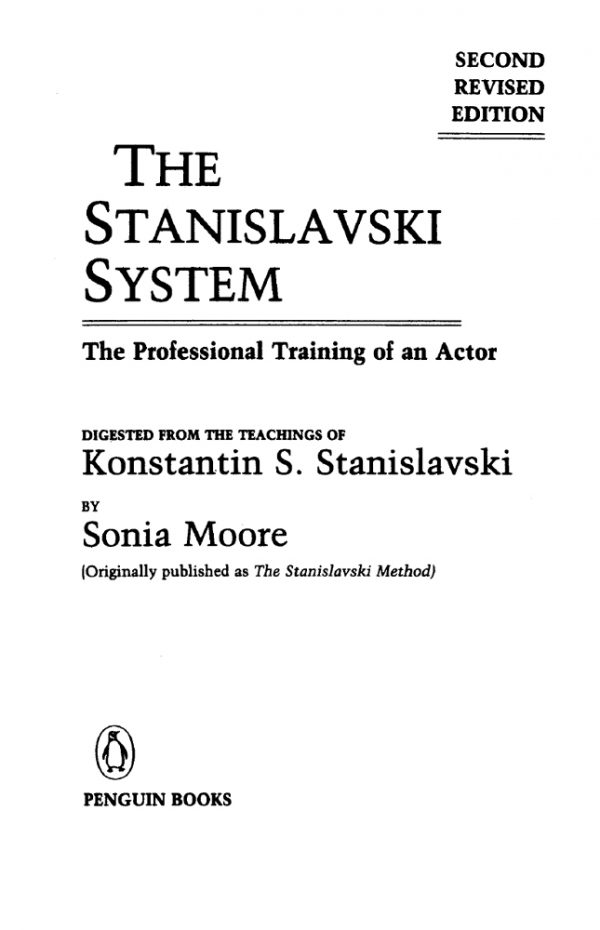
Have you ever watched a stage actor so deeply immersed in their role that you forgot they were performing at all? Their voice quivers with authentic emotion. Their gestures feel like second nature. Their entire being seems to hum with the character’s truth. How do they do it? The answer lies in a revolutionary acting technique that transformed the stage forever: The Stanislavski System. But what if I told you that beneath its complex layers lies a simple, almost magical key—one that can unlock raw, believable performances in minutes? Let’s explore how the “Action” and the “Magic If” breathe life into characters, turning scripted lines into living truth.
Imagine stepping into a room where every object, every sound, every breath feels real. You’re not pretending. You’re not acting. You’re being. That’s the power of the Stanislavski System. Developed by Konstantin Stanislavski, a Russian actor and director, this method doesn’t just teach acting—it teaches living truthfully under imaginary circumstances. It’s not about reciting lines with perfect diction. It’s about feeling the weight of a character’s past, the urgency of their desires, and the texture of their reality. And at the heart of this system lie two pillars: Action and the Magic If. Together, they form a dynamic duo that turns rehearsal rooms into laboratories of human emotion.
The Power of Action: Where Movement Meets Meaning
Action isn’t just what your character does—it’s why they do it. It’s the heartbeat of every line, every gesture, every pause. In Stanislavski’s world, action is the bridge between thought and emotion. It’s the physical manifestation of intention. Think of it this way: when an actor says, “I’m angry,” they could shout, slam a door, or freeze in icy silence. Each choice reveals a different layer of truth. But without a clear action—without a purpose—the emotion rings hollow.
Consider Hamlet’s famous soliloquy: “To be, or not to be.” On the surface, it’s a philosophical musing. But beneath it lies a storm of action. Is he questioning existence? Debating suicide? Seeking revenge? The words don’t change, but the action does. One actor might pace, wrestling with an invisible burden. Another might clutch their chest as if the words physically wound them. The magic isn’t in the words—it’s in the doing. Stanislavski urged actors to ask: What is my character trying to achieve right now? Is it to persuade? To escape? To confess? Once you define the action, the emotion follows naturally.
This principle flips the script on traditional acting. Instead of forcing emotion, you channel it through purposeful movement. It’s like turning a light switch on—suddenly, the room isn’t dark anymore. The audience doesn’t see the switch; they see the light. Similarly, they shouldn’t see the actor’s technique—they should see the character’s truth. Action makes that possible.

The “Magic If”: Stepping Into Another Life
Now, let’s talk about the “Magic If.” It’s not a spell from a fantasy novel—though it feels like one. The “Magic If” is a simple yet profound question Stanislavski posed to actors: What would I do if I were in my character’s situation? It’s a portal into empathy, a way to step into someone else’s shoes without leaving your own. But here’s the twist: it’s not about asking, “How would I feel?” It’s about asking, “What would I do?”
Why does this matter? Because emotions are slippery. They’re subjective, fleeting, and often unreliable. But actions? Actions are tangible. They’re rooted in logic, desire, and circumstance. When you ask, “What would I do if I found out my best friend betrayed me?” your mind doesn’t just imagine sadness—it conjures a response. Maybe you’d confront them. Maybe you’d cry. Maybe you’d plot revenge. The “Magic If” forces you to engage with the character’s world as if it were your own. It turns abstract emotions into concrete choices.
But here’s where the challenge lies: the “Magic If” only works if you truly believe in the imaginary circumstances. If you half-heartedly entertain the idea that your character’s lover has left them, your performance will feel half-hearted too. Stanislavski called this “suspension of disbelief”—the ability to temporarily accept the unreal as real. But it’s more than just believing. It’s about feeling the stakes. What if your character’s survival depends on this moment? What if their entire future hinges on this decision? The deeper the “if,” the richer the performance.
Think of it like method acting’s gentler cousin. You don’t need to live in your character’s skin 24/7. You just need to ask the right questions—and then let the answers guide you. The “Magic If” isn’t about becoming someone else. It’s about uncovering the universal truths that connect us all.

From Theory to Stage: Putting It All Together
So, how do you apply Action and the “Magic If” in practice? Start with the script. Read it not as a series of lines, but as a series of problems to solve. What does your character want in this scene? What’s stopping them? Define the action in one active verb: to convince, to escape, to seduce, to confront. Then, ask the “Magic If.” What would I do if I were in this situation? What would drive me to act this way?
Let’s take a classic example: Iago from Shakespeare’s Othello. On the surface, he’s a villain, manipulating others with lies. But Stanislavski would urge you to find the truth in his actions. What is Iago trying to achieve? Power? Validation? Revenge? Once you define his action—say, “to destroy Othello’s trust”—you can ask the “Magic If.” What would I do if I believed someone had stolen what was rightfully mine? The answer might lead you to plant seeds of doubt, to twist words, to play the long game. Suddenly, Iago isn’t just a villain—he’s a man with a plan, a motive, a truth.
But here’s the catch: the system isn’t a formula. It’s a toolkit. Not every scene will require the same level of introspection. Sometimes, the action is simple: “to comfort.” Other times, it’s complex: “to manipulate without being detected.” The key is to stay flexible. Let the character’s needs guide you, not the other way around.
And remember, the audience doesn’t need to know your process. They don’t need to see you ask the “Magic If” or define your action. They just need to feel the result. That’s the beauty of Stanislavski’s system—it’s invisible in execution but transformative in effect.
The Pitfall: When the System Becomes a Cage
Of course, no system is without its shadows. The Stanislavski approach can become a trap if actors rely too heavily on it. What happens when the “Magic If” feels forced? When the action feels mechanical? When the truth starts to feel like a rehearsed exercise? The danger isn’t in the technique—it’s in the rigidity. Stanislavski himself warned against becoming a slave to the method. The goal isn’t to follow the system perfectly. It’s to use it as a springboard into deeper, more authentic performances.
Another challenge lies in over-intellectualizing. Some actors get stuck in their heads, dissecting every moment to the point of paralysis. But acting is, at its core, a physical and emotional art. The body remembers what the mind forgets. Stanislavski knew this. He encouraged actors to trust their instincts, to let the subconscious lead when the conscious mind falters. The “Magic If” isn’t a script—it’s a conversation. Sometimes, the answer comes not from logic, but from a gut feeling.
So, how do you avoid these pitfalls? Stay present. Let the scene unfold naturally. If the action feels stale, change it. If the “Magic If” isn’t sparking anything, dig deeper. Ask new questions. The system is a guide, not a gospel. Use it to find your way, but don’t let it dictate your path.
Why This Matters: Beyond the Stage
The Stanislavski System isn’t just for actors. It’s a masterclass in empathy, a blueprint for understanding human behavior. In a world where authenticity is rare and connection feels fleeting, these principles offer a way to cut through the noise. The “Magic If” teaches us to see the world through others’ eyes. Action teaches us to engage with intention. Together, they remind us that truth isn’t something we perform—it’s something we live.
So, the next time you watch a performance that leaves you breathless, ask yourself: What action is driving this character? What “Magic If” brought them to life? And more importantly—how can you apply these principles to your own journey, whether on stage or in life?
The stage is a mirror. The audience sees themselves reflected in the choices, the struggles, the triumphs of the characters before them. Stanislavski’s system doesn’t just teach actors how to perform—it teaches them how to connect. And in a world that often feels fragmented, that’s a magic worth mastering.


Leave a Comment