

The Suzuki Method isn’t just a way to learn an instrument—it’s a symphony of discipline, intuition, and the quiet revolution of a child’s first confident step. Picture this: a four-year-old, eyes wide with wonder, balancing a tiny violin under their chin while their feet—those once clumsy appendages—tap out a rhythm that feels like the heartbeat of the music itself. This isn’t mere coincidence. It’s the Suzuki Method in action, where the body becomes an instrument, and the feet, those humble servants of motion, suddenly find their voice in the grand composition of learning.
But why do feet matter so much in this method? Because they are the unsung conductors of the Suzuki experience. They ground the student, steady the breath, and—when the moment is right—stomp out the tempo with the unmistakable authority of a metronome given flesh. Your feet, in their silent way, are speaking. They are telling stories of balance, of rhythm, of the primal connection between movement and melody. To ignore them is to miss half the lesson.

The Philosophy: More Than Music, It’s a Way of Being
The Suzuki Method, born from the genius of Dr. Shinichi Suzuki, is rooted in the belief that every child can develop musical ability—just as they learn to speak their native language. But here’s the twist: it’s not just about the notes. It’s about the embodiment of music. The method thrives on the idea that learning is a holistic experience, where the mind, body, and spirit move in unison. And at the heart of this trinity? The feet.
Think of the feet as the foundation of a great cathedral. Without them, the structure collapses. In Suzuki’s world, they are the first point of contact with the earth, the literal and metaphorical ground on which the student stands. When a child taps their foot to the pulse of a piece, they are not just keeping time—they are internalizing rhythm, making it a part of their being. This kinesthetic connection transforms music from an abstract concept into a living, breathing entity.
The method’s emphasis on repetition and immersion means that the body becomes a vessel for the music. The feet, in their rhythmic obedience, are the bridge between the external world of sound and the internal world of feeling. They are the drummers of the soul, ensuring that every note is felt as deeply as it is heard.
The Ritual of the Stomp: How Feet Become Metronomes
There’s a moment in every Suzuki lesson where the magic happens. The teacher plays a phrase, and the student’s foot begins to tap—once, twice, a steady thump-thump that echoes through the room like a heartbeat. This isn’t just a habit. It’s a ritual. It’s the student’s way of saying, “I am here. I am present. I am learning.”
The stomp is more than a rhythmic cue; it’s a declaration of intent. It signals to the brain that this is important, that the body must align with the music. Studies in motor learning suggest that when movement is paired with sound, the neural pathways for that sound become stronger. In other words, the feet are not just keeping time—they are rewiring the brain to hear and feel music more deeply.
This is why Suzuki students often develop an uncanny ability to sense rhythm intuitively. Their feet have taught them the language of tempo, and now, they speak it fluently. Whether they’re playing a simple Twinkle Twinkle Little Star or a complex Bach concerto, their feet are there, grounding them, guiding them, ensuring that the music flows not just from their fingers, but from their entire being.
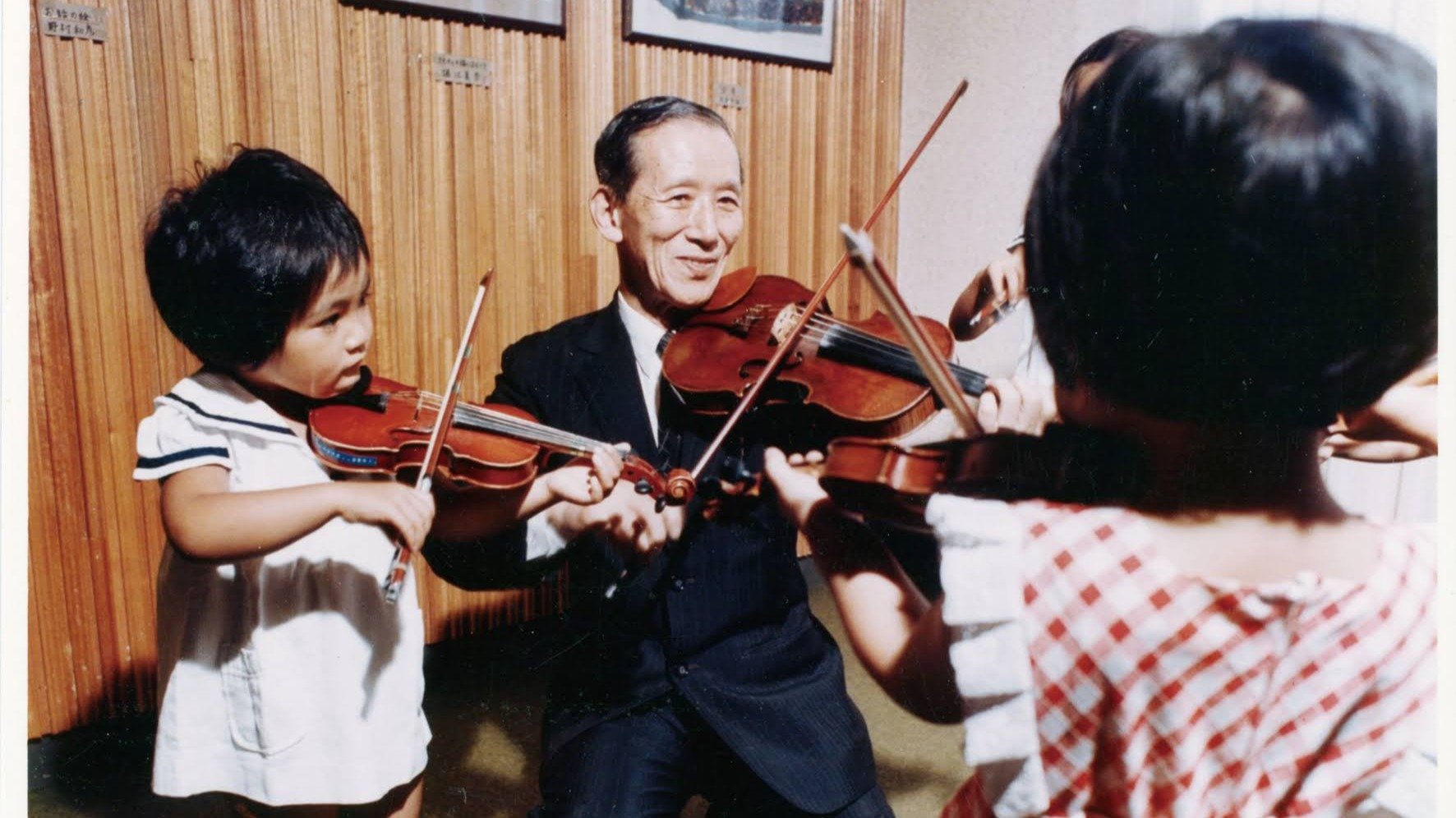
The Cold Feet Paradox: Why Your Extremities Might Be Trying to Tell You Something
Now, let’s address the elephant in the room—or rather, the cold feet. Why do so many people, children and adults alike, complain of perpetually icy toes, even in warm environments? Could it be that their feet are trying to communicate something deeper? In the context of the Suzuki Method, cold feet might symbolize a disconnect between the body and the music. When the feet are cold, they are not fully engaged. They are not stomping, not tapping, not participating in the symphony of learning.
This isn’t just a physical phenomenon. It’s a metaphor for resistance. The feet, in their sensitivity, are often the first to betray our subconscious reluctance. If a student’s feet are cold, it might be a sign that they are not fully invested in the process. They might be holding back, afraid of making mistakes, or simply not feeling the music in their bones. The Suzuki Method teaches that true learning requires full-body commitment. The feet must be warm, alive, and eager to dance with the music.
So, how do we thaw those cold feet? By reconnecting with the rhythm. By stomping, clapping, and moving until the body remembers what it means to be in sync. The Suzuki Method doesn’t just train musicians—it trains whole people. And whole people have warm, engaged feet.
The Long Game: Feet That March Through Life
The benefits of the Suzuki Method extend far beyond the music room. The discipline of tapping one’s foot to the beat of a metronome teaches patience, perseverance, and the joy of incremental progress. It teaches that mastery is not a sprint but a march—a steady, rhythmic journey where each step counts.
Consider the adult who took up the violin later in life. Their feet might not stomp with the same abandon as a child’s, but they still tap, still move, still feel the music in their soles. This is the legacy of the Suzuki Method: it doesn’t just create musicians. It creates individuals who understand the power of rhythm in every aspect of life.
Whether you’re a parent watching your child’s first tentative steps toward musical fluency or an adult rediscovering the joy of making music, remember this: your feet are more than mere appendages. They are the drummers of your destiny, the metronomes of your soul. Listen to them. Let them speak. And when they stomp, let them stomp with purpose.
Because in the end, the Suzuki Method isn’t just about playing an instrument. It’s about learning to walk in time with the music of life itself.


Leave a Comment