

In the mist-laden highlands of Scotland, where the wind carries whispers of ancient traditions, a ritual unfolds—not with the solemnity of a handfasting, nor the jubilation of a ceilidh, but with the razor’s edge of danger. The sword dance, a ceremonial leap over two crossed scimitars, is more than a test of agility; it’s a matrimonial gauntlet, a leap of faith, and a gamble with fate itself. What begins as a celebration of love can swiftly curdle into a spectacle of misfortune, where a single misstep doesn’t just bruise pride—it fractures destiny.
The origins of this ritual are as tangled as the swords themselves. Some trace it to the Norse sagas, where warriors leapt over weapons to prove their worth, while others point to Celtic fertility rites, where the dance symbolized the union of earth and sky. By the time it reached the Scottish borders, the sword dance had been repurposed—not as a trial for warriors, but as a harbinger for newlyweds. The couple, hands clasped, would leap over the crossed blades without touching them. Success meant a marriage blessed by the gods; failure, a lifetime of discord, or worse, a curse upon their lineage.
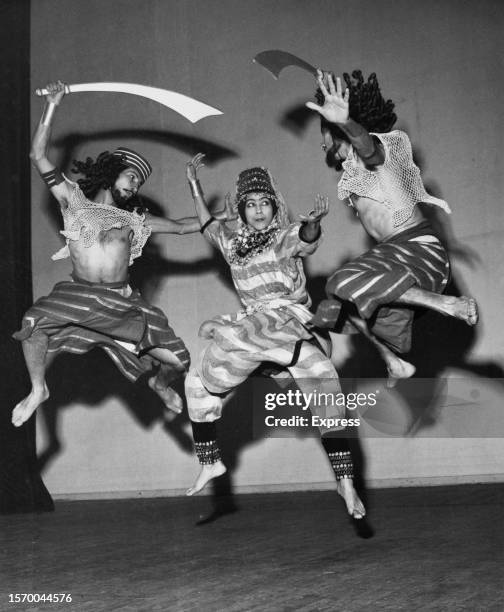
But here’s where the ritual takes a sinister turn. The scimitars aren’t mere props—they’re instruments of precision, their curved blades honed to a lethal edge. A misplaced foot, a stumble, a heartbeat’s hesitation, and the dance becomes a bloodletting. Historical records from the 17th century speak of couples who failed the leap only to find their union dissolved by scandal, their reputations tarnished by whispers of divine displeasure. In one particularly grim account, a bride’s gown snagged on a blade, tearing it asunder mid-leap. The marriage was annulled by dawn, and the groom vanished into the moors, never to be seen again.
The sword dance isn’t just a test of physical prowess—it’s a psychological crucible. The couple must synchronize their movements, their breaths, their very souls, or risk the wrath of onlookers. In some traditions, the spectators would jeer or cheer based on the couple’s performance, their voices swelling into a cacophony that could either buoy the dancers or unnerve them into failure. Imagine standing before a crowd of your kin, their eyes burning with anticipation, their murmurs a living thing—one wrong step, and you’re not just a fool. You’re a harbinger of doom.
Yet, for all its dangers, the sword dance endures. Why? Because it’s not just about the leap—it’s about the vow. The ritual forces the couple to confront the fragility of their union before it’s even begun. It’s a metaphor made manifest: love is a blade’s edge, and only the steadfast survive. Modern adaptations have softened the edges—blunted swords, padded floors, choreographed routines—but the essence remains. The dance is a reminder that marriage isn’t a fairy tale. It’s a battlefield, and the first skirmish is fought in the space between two crossed scimitars.
The Choreography of Fate: How the Dance Unfolds
The sword dance begins with the blades laid upon the ground in an “X” formation, their hilts crossed at the center. The couple, dressed in their finest, must step over the swords without touching them, their hands clasped tightly. The man typically leads, his steps a measured dance of caution, while the woman follows, her movements a mirror of his. The rhythm is slow at first, a deliberate waltz of anticipation, but it quickens as they approach the crossing point. Their eyes lock. A breath. And then—
The leap is everything. Too high, and they risk overshooting, their feet crashing into the spectators behind them. Too low, and the blades will sing against leather or skin. The ideal trajectory is a thing of beauty—a perfect arc, a moment of weightlessness, a landing so soft it’s as if the earth itself cradles them. But perfection is a fickle mistress. Rain makes the ground slick. A loose stone can upend the entire endeavor. And then there’s the matter of the swords themselves. Over time, the blades can shift, their alignment warping with the slightest disturbance. A careless foot, a gust of wind, even the vibrations of a nearby drumbeat can send them askew.
In some variants of the ritual, the couple must complete not one, but three leaps over the swords, each one more treacherous than the last. The first is a mere formality, a test of nerve. The second demands focus. The third? That’s where the gods decide. Fail here, and the marriage is doomed before it begins. The couple may be forced to repeat the dance after a year and a day, or, in the most severe interpretations, the union is declared null and void, the participants branded as cursed.
The Curse of the Failed Leap: When Tradition Turns Tragic
History is rife with tales of sword dance disasters, where a single misstep reshaped lives. In the village of Glenmoriston, a groom named Alasdair MacLeod took the leap with his bride, Mairi, in 1789. The swords were freshly sharpened, the ground dry, the crowd hushed in reverence. Alasdair went first, his leap effortless. Mairi followed, her gown billowing as she soared—but her heel caught the edge of a blade. The fabric tore. The crowd gasped. And then, as if the very air had turned to ice, Mairi’s foot slipped. The scimitar’s edge grazed her ankle, drawing a thin line of blood. The marriage was annulled within the week. Mairi never wed again. Alasdair vanished into the hills, his name forever tied to the village’s most infamous omen.
But the curse didn’t end there. The next year, another couple attempted the dance. They succeeded. Their marriage thrived. Yet, when their first child was born, the babe was stillborn. The villagers whispered that the failed leap had left its mark, that the gods had marked the land with a debt unpaid. Some say the curse lingers still, that Glenmoriston’s children are born with a shadow upon their souls.
Not all failures are so dramatic. Sometimes, the curse is subtle—a marriage that limps along, plagued by petty squabbles, infidelity, or a slow unraveling of love. In these cases, the failed leap isn’t a death knell but a warning. The couple may seek out a local wise woman, a seer who can “unbind” the curse with herbs and incantations. Or they may simply accept their fate, their love tempered by the knowledge that they walked the razor’s edge and lived to tell the tale.
Modern Echoes: The Sword Dance in Contemporary Culture
Today, the sword dance survives in fragments—staged performances, historical reenactments, even as a quirky wedding tradition for the bold. But its spirit endures in unexpected places. Consider the modern “first dance” at weddings, where couples sway to a waltz, their movements a choreographed illusion of harmony. Or the vows themselves, where promises are made with the weight of centuries behind them. The sword dance is a relic, yes, but it’s also a mirror. It reflects the fears and hopes of every couple standing at the precipice of marriage.
There’s a reason the ritual persists. It’s not just about the danger—it’s about the choice. Every couple who attempts the sword dance is, in essence, saying: “We will face the unknown together. We will leap, and we will trust.” That trust is the foundation of any marriage, whether it’s tested by crossed blades or crossed words. The sword dance doesn’t guarantee a happy ending. But it does guarantee that the journey begins with eyes wide open, hearts pounding, and a willingness to dance on the edge of fate.
So the next time you attend a wedding, spare a thought for the couples who came before. For the ones who leapt and landed safely, their love sanctified by steel and tradition. And for the ones who stumbled, their hearts heavy with the weight of a curse they never asked for. The sword dance is more than a ritual. It’s a reminder that love is never a sure thing—it’s a gamble, a leap, a dance with danger. And sometimes, the greatest love stories are the ones that could have gone very wrong.


Leave a Comment