

The sun blazes like a molten coin pressed against the sky, and the air hums with the metallic tang of impending heat. You step outside—only to feel the immediate betrayal of your clothing, clinging like a second skin, suffocating in its own damp embrace. But what if there were a fabric that didn’t just endure the heatwave but danced with it? A textile that didn’t just resist sweat but celebrated its evaporation? Enter linen—a material woven from the earth’s oldest fibers, a textile that doesn’t just tolerate the heat, it thrives in it.
This isn’t just about comfort. It’s about science. It’s about the intricate choreography between fiber structure, moisture dynamics, and thermal regulation. When temperatures soar and humidity clings like a damp shroud, linen doesn’t just survive—it outperforms. And to understand why, we must peel back the layers of textile science, from the molecular to the macroscopic. Let’s explore the hidden mechanics of linen, how it outmaneuvers cotton in the crucible of a heatwave, and why your next summer wardrobe should be draped in its breathable elegance.
The Molecular Architecture of Cool: How Linen’s Fiber Structure Defies Heat
At the heart of linen’s superiority lies its fiber composition. Unlike cotton, which is composed of tightly packed cellulose chains forming a dense, hydrophilic structure, linen fibers are long, irregular, and porous. These fibers are not smooth; they’re gnarled, with natural nodes and grooves that create microscopic air pockets. This isn’t a flaw—it’s a feature. These irregularities allow linen to breathe in a way that cotton simply cannot.
Cotton fibers are round and smooth, forming a dense weave that traps heat and moisture. When sweat beads on cotton, it lingers, absorbed into the fiber’s core, creating a damp, clammy sensation. Linen, by contrast, absorbs moisture quickly—but it also releases it just as fast. The fiber’s porous nature means that as soon as sweat hits the surface, it’s wicked away into the air, where it evaporates almost instantly. This isn’t just absorption; it’s dynamic moisture management. The fiber’s high capillarity—the ability to draw liquid through tiny channels—ensures that linen doesn’t just hold sweat; it expels it, leaving the skin feeling cool and dry.
Moreover, linen’s fibers are stronger when wet. While cotton weakens and stretches under moisture, linen becomes more resilient, its tensile strength increasing by up to 20%. This means your linen shirt doesn’t sag or cling when you break a sweat—it holds its shape, maintaining both comfort and dignity in the face of a heatwave.

The Thermodynamics of Tranquility: Why Linen Regulates Temperature Better Than Cotton
Heat doesn’t just sit on the surface of your skin—it radiates, conducts, and lingers. The way a fabric interacts with this thermal energy determines whether you feel like you’re wrapped in a sauna or a gentle breeze. Linen excels here because of its thermal conductivity and low heat retention. While cotton acts as an insulator, trapping warmth against the body, linen conducts heat away from the skin, dissipating it into the air.
This is due in part to linen’s high moisture absorption rate. As sweat evaporates from the fabric’s surface, it carries heat with it—a process known as evaporative cooling. Cotton, on the other hand, holds onto moisture, creating a humid microclimate between the fabric and your skin. The result? A sticky, oppressive sensation that lingers long after the initial sweat has dried.
But linen’s thermal advantages don’t end there. Its fibers have a natural ability to reflect infrared radiation, the invisible heat waves that emanate from the body. While cotton absorbs and re-radiates this heat, linen deflects it, keeping the wearer cooler. This is why linen garments feel cooler to the touch even when they’re freshly laundered and dry—because they’re not just passive barriers; they’re active participants in thermal regulation.
In extreme heat, where temperatures exceed 90°F (32°C), the difference becomes stark. Cotton can trap up to 30% more heat against the skin, while linen maintains a surface temperature that’s often 5–10°F (3–6°C) cooler. This isn’t just a matter of preference—it’s a physiological advantage. When your body isn’t fighting to cool itself, you conserve energy, reduce fatigue, and maintain mental clarity.
The Aesthetic of Effortlessness: How Linen’s Texture Enhances Comfort in the Heat
Comfort isn’t just a matter of science—it’s also a matter of sensation. The way a fabric feels against the skin can make the difference between enduring a heatwave and enjoying it. Linen’s texture is uniquely suited to hot weather. Its slightly coarse, textured surface doesn’t cling or stick, even when damp. Instead, it provides a gentle, almost massaging sensation as it moves with the body, wicking away moisture without leaving a damp residue.
Cotton, while soft to the touch, often feels clingy when wet. Its smooth fibers create a slippery surface that can chafe or stick in sensitive areas. Linen, with its irregular weave, offers a more forgiving texture. It doesn’t cling to sweat; it repels it. This is why linen is often used in high-performance athletic wear—despite its casual reputation, it’s a fabric that moves with the body, adapting to its contours without restricting movement.
Additionally, linen’s natural luster gives it a subtle elegance that cotton lacks. The way it catches the light, shifting from matte to slightly shimmering as it moves, adds a tactile richness to the wear. In the heat, where visual monotony can amplify discomfort, linen’s visual texture provides a sensory counterpoint—something to engage the eye as the body stays cool.
Beyond the Basics: Linen’s Hidden Advantages in Humidity and Long-Term Wear
Humidity is the silent enemy of comfort in a heatwave. When the air is thick with moisture, cotton’s absorption rate becomes a liability. It swells, losing its shape and becoming heavy with trapped water. Linen, however, doesn’t just tolerate humidity—it thrives in it. Its fibers absorb moisture without losing structural integrity, and because they release it quickly, linen garments don’t become waterlogged or saggy.
This is particularly important for those who work outdoors or engage in physical activity during a heatwave. A cotton shirt can become a soggy burden, clinging to the body and restricting movement. Linen, by contrast, remains light and airy, its fibers acting like tiny ventilation shafts that allow air to circulate freely. Even in 80% humidity, linen can maintain a breathable microclimate against the skin.
Long-term wear is another area where linen outshines cotton. While cotton garments may pill, stretch, or lose their shape after repeated washing and wear, linen’s fibers are inherently durable. They resist abrasion and maintain their structure, even after years of use. This makes linen a sustainable choice—not just for the environment, but for your wardrobe. A well-made linen shirt can last decades, its texture softening with age while its performance remains uncompromised.
Additionally, linen is naturally hypoallergenic and antimicrobial. Unlike cotton, which can harbor bacteria and odors when damp, linen’s porous structure allows it to dry quickly and resist microbial growth. This means fewer laundry cycles, less need for harsh detergents, and a fresher feel even after extended wear in the heat.
Styling Linen for the Heatwave: From Casual to Couture
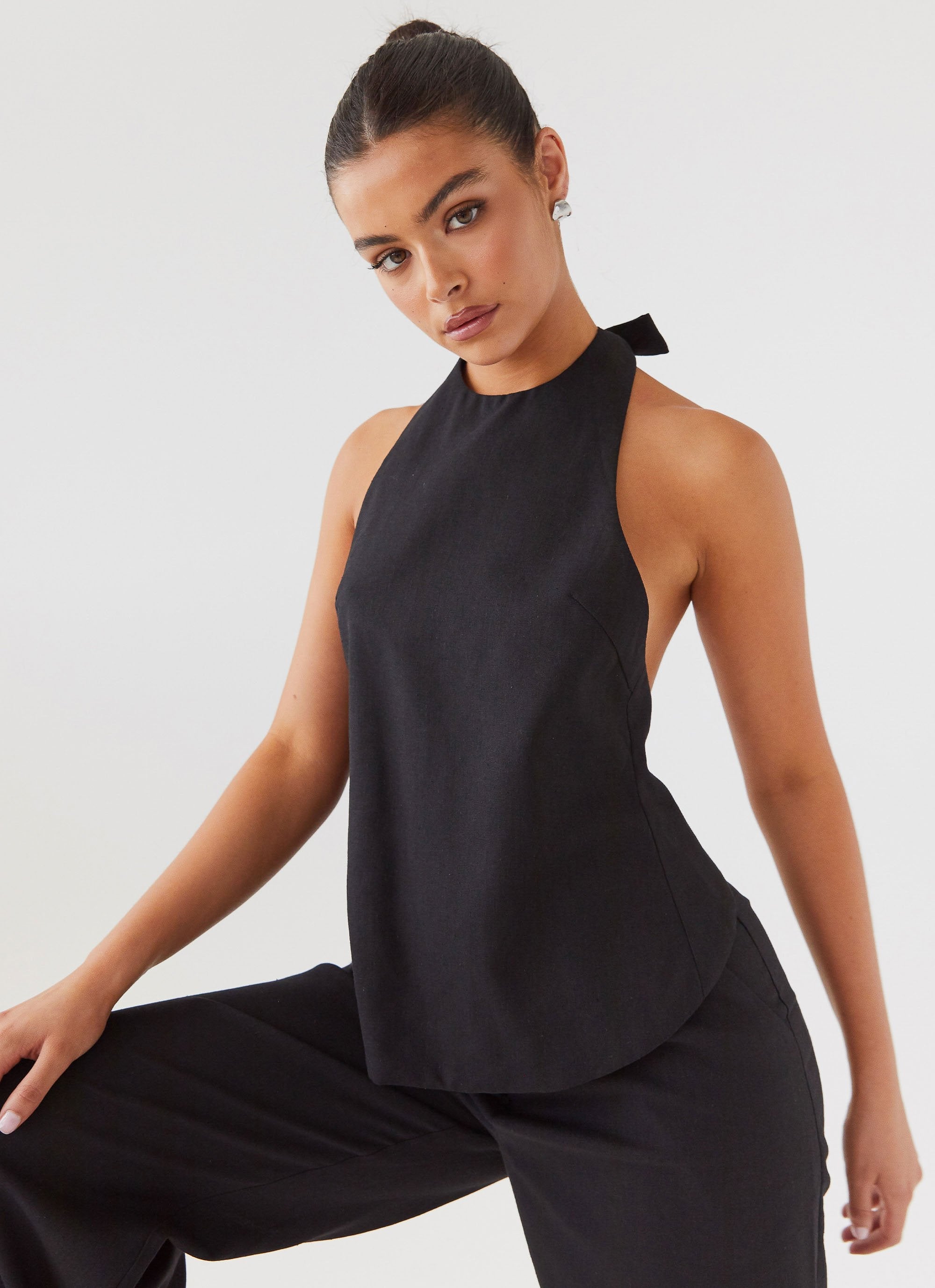
Linen isn’t just a fabric for the beach or the backyard—it’s a versatile material that can be styled for any occasion, from a relaxed brunch to a formal garden party. The key is in the cut and the color. Loose, flowing silhouettes allow air to circulate, while structured pieces—like a linen blazer or a tailored dress—offer a polished look without sacrificing breathability.
Color plays a crucial role in heat management. Darker shades absorb more heat, while lighter hues reflect it. For maximum coolness, opt for whites, creams, and pastels. These colors not only keep you cooler but also enhance linen’s natural luster, creating a radiant, sun-kissed effect. For evening wear, consider linen in deeper tones like slate gray or muted olive—colors that absorb heat during the day but release it quickly as temperatures drop.
Accessories can also elevate linen’s performance. A wide-brimmed linen hat shields the face and neck from direct sunlight, while linen scarves or shawls can be draped loosely for added ventilation. Even footwear can be reconsidered—linen espadrilles or sandals allow for airflow, preventing the sweaty feet that often accompany cotton socks or synthetic shoes.
The beauty of linen is that it doesn’t require sacrifice. You don’t have to choose between style and comfort, between elegance and practicality. Instead, you get both—woven into a single, seamless experience. Whether you’re lounging in a sunlit courtyard or navigating a bustling city street, linen moves with you, adapting to the heat without ever feeling like a compromise.
The heatwave isn’t just a season—it’s a test of endurance, a trial by fire for both body and mind. In this crucible, linen emerges not as a mere fabric, but as a silent ally. It doesn’t fight the heat; it dances with it. It doesn’t just endure sweat; it transforms it into a cooling breeze. From its molecular architecture to its long-term durability, from its thermal conductivity to its aesthetic appeal, linen is the textile science of summer distilled into a single, revolutionary material.
So the next time the mercury climbs and the air grows thick, reach for linen. Let it drape over your skin like a second breath. Let it absorb the heat, wick the sweat, and release the tension—leaving you not just comfortable, but effortlessly cool. In a world where comfort is currency, linen is the ultimate investment.


Leave a Comment