

The cozy fantasy genre is more than a literary trend—it’s a cultural balm, a whispered antidote to an era that has stretched human resilience to its limits. In a world where algorithms dictate urgency and headlines scream crisis, cozy fantasy emerges as a quiet rebellion: a sanctuary where stakes are low, warmth is high, and the only dragons to slay are the ones lurking in the corners of a cottage kitchen. It’s not escapism in the traditional sense; it’s a deliberate return to the tactile, the human, the *gentle*. This genre doesn’t just entertain—it whispers to a generation that has forgotten how to rest, offering a narrative embrace that feels less like a vacation and more like coming home to a hearth that’s been waiting for you all along.
The appeal of cozy fantasy lies in its paradox: it thrives in the margins of high-stakes storytelling, where the real adventure is not in conquering kingdoms, but in perfecting a sourdough starter or untangling the social politics of a small village’s annual harvest festival. Here, the hero’s journey is internal—a slow unraveling of cynicism, a rekindling of wonder. It’s the literary equivalent of wrapping yourself in a wool blanket on a rainy Tuesday, knowing that no matter how loud the storm rages outside, inside, the kettle is singing and the fire is steady. This isn’t passive consumption; it’s an active reclaiming of slowness, a quiet revolution against the tyranny of the urgent.
The Myth of the Relentless Hero: Why Cozy Fantasy Rejects the Epic
For decades, fantasy literature has been dominated by narratives of destiny, of chosen ones, of battles that will determine the fate of worlds. But cozy fantasy flips the script: it’s the genre where the chosen one is more likely to burn their first batch of cookies than slay a dragon. The protagonists here are not warriors or sorcerers wielding world-ending power—they’re bakers, librarians, gardeners, and innkeepers whose greatest foe is procrastination, not darkness. There’s a profound honesty in this shift. It acknowledges that most of us are not destined to save the world; we’re just trying to save our own sanity.
This rejection of the epic isn’t laziness—it’s wisdom. The modern world has conditioned us to believe that productivity equals worth, that rest is a luxury, and that joy must be earned through struggle. Cozy fantasy dismantles that lie. It says: your worth isn’t measured by how much you endure, but by how deeply you savor. A cozy fantasy novel is a love letter to the unglamorous parts of life—the quiet mornings, the shared meals, the small acts of kindness that stitch communities together. It’s a reminder that heroism isn’t found in grand gestures, but in the daily alchemy of turning chaos into comfort.
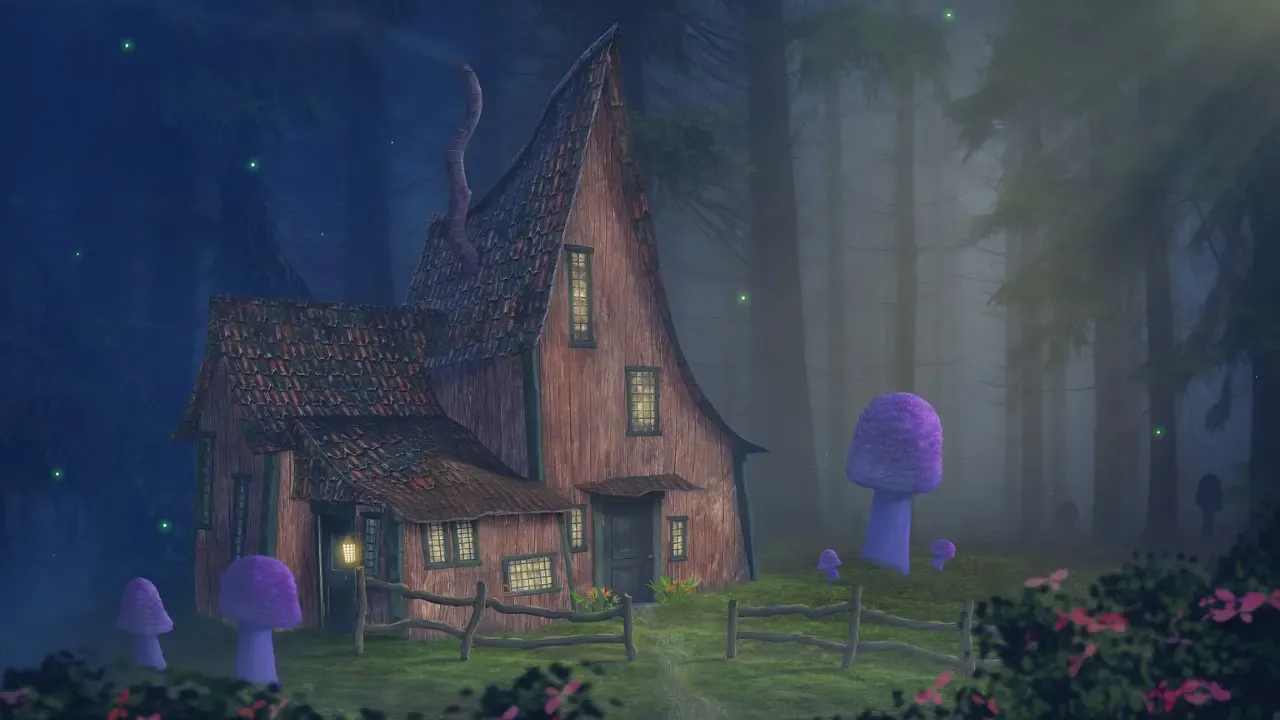
Consider the cottagecore aesthetic that often accompanies cozy fantasy: the thatched roofs, the herb gardens, the crackling fireplaces. These aren’t just visual motifs; they’re metaphors for containment. In a world that feels increasingly volatile, the cozy fantasy cottage is a container—a vessel that holds warmth, safety, and meaning. It’s a space where the outside world’s noise is muffled, where the only pressure is the weight of a well-worn book in your lap. This isn’t regression; it’s resistance. It’s a refusal to let the world’s chaos dictate the terms of your peace.

The Alchemy of Small Joys: Crafting Comfort in a Fragmented World
Cozy fantasy is, at its core, an alchemical practice. It takes the base metals of everyday life—chores, routines, mundane tasks—and transmutes them into gold. A protagonist kneading dough becomes a metaphor for patience. A character tending to a sickly plant becomes a lesson in care. The genre’s magic isn’t in spells or potions, but in the way it elevates the ordinary to the sacred. This alchemy is deeply therapeutic in an age where joy is often commodified as something loud, fast, or fleeting. Cozy fantasy offers a quieter kind of joy: the kind that lingers, that nestles into your bones like the scent of cinnamon in a warm kitchen.
There’s a psychological undercurrent to this alchemy. Studies in positive psychology suggest that small, repeated joys—like the first sip of tea in the morning or the satisfaction of a neatly arranged bookshelf—trigger the release of dopamine and serotonin. Cozy fantasy doesn’t just depict these moments; it invites the reader to participate in them. It’s a form of narrative co-regulation, where the reader’s nervous system syncs with the protagonist’s calm. In a world where anxiety is a constant companion, this is no small feat. The genre doesn’t promise to eliminate stress, but it does offer a respite—a chance to reset, to breathe, to remember that joy can be found in the in-between spaces of life.
The sensory richness of cozy fantasy is part of its power. The genre doesn’t just tell you about a character’s world; it immerses you in it. You can almost taste the honeyed mead, feel the rough texture of a hand-knit sweater, hear the crackle of a fire. This isn’t just world-building; it’s world-feeling. It’s a reminder that our senses are portals to presence, and presence is the antidote to the modern plague of distraction. In a culture that prioritizes speed and efficiency, cozy fantasy slows time down. It makes you linger on the crumb of a freshly baked pie, the way sunlight filters through a window, the quiet hum of a village going about its day. These aren’t just details; they’re invitations—to slow down, to notice, to savor.
There’s a term in Japanese culture called komorebi, which refers to the dappled light that filters through the leaves of trees. Cozy fantasy is the literary equivalent of komorebi—a soft, shifting light that illuminates the beauty in the ordinary. It’s the genre’s way of saying: look closer. The magic isn’t in the extraordinary; it’s in the way the ordinary holds us together.
The Village as Sanctuary: Rebuilding Community in an Isolated Age
At the heart of cozy fantasy is the village—a microcosm of connection, a place where everyone knows your name (or at least your favorite tea order). In an era where loneliness is often described as an epidemic, the village setting of cozy fantasy isn’t just a backdrop; it’s a balm. It’s a reminder that humans are not meant to thrive in isolation. We are, at our core, communal creatures, and our well-being is deeply tied to the quality of our relationships. The village in a cozy fantasy novel isn’t just a collection of buildings; it’s a web of interdependence, where each character’s quirks and flaws are woven into the fabric of the community.
This isn’t nostalgia for a mythical past. It’s a longing for a future where connection isn’t transactional, where kindness isn’t performative, where community isn’t performative. The village in cozy fantasy is a utopia not because it’s perfect, but because it’s *present*. The conflicts here are interpersonal, not existential. The stakes are local, not global. The villains, if there are any, are petty tyrants or misunderstood misfits, not world-ending forces. This is a radical act in a culture that often reduces human relationships to metrics—followers, likes, network connections. Cozy fantasy says: no. Your worth isn’t measured by your reach; it’s measured by your depth.
There’s a quiet subversion in this, too. The village isn’t just a place of safety; it’s a place of accountability. In a world where online interactions can feel weightless and consequence-free, the village in cozy fantasy holds its members to a higher standard. Gossip is a social currency, but so is forgiveness. Secrets are kept, but so are promises. The genre doesn’t shy away from the messiness of human connection—it leans into it. It’s a reminder that community isn’t about perfection; it’s about showing up, even when it’s hard.
Consider the role of the innkeeper or the baker in these stories. They’re not just service providers; they’re the glue of the community. They remember your order. They ask about your family. They offer a kind word when you’re having a bad day. In a culture where customer service is often reduced to efficiency and algorithms, these characters are a rebuke. They remind us that service can be sacred, that every interaction is an opportunity to make someone feel seen. The village in cozy fantasy isn’t just a setting; it’s a philosophy—a way of being in the world that prioritizes people over productivity.
The Gentle Rebellion: Why Cozy Fantasy is a Quiet Revolution
Cozy fantasy isn’t just a genre; it’s a quiet rebellion against the cult of hustle. In a culture that glorifies burnout, cozy fantasy says: no. You are allowed to rest. You are allowed to savor. You are allowed to prioritize your well-being over your output. This isn’t laziness; it’s resistance. It’s a refusal to let capitalism dictate the terms of your joy. The genre’s popularity isn’t just a trend; it’s a collective sigh of relief—a sign that a generation is waking up to the fact that they’ve been sold a lie: that their worth is tied to their productivity.
There’s a term in psychology called languishing, coined by sociologist Corey Keyes, which describes the sense of stagnation and emptiness that many people feel in the wake of the pandemic. It’s the feeling of being stuck in a rut, of going through the motions without meaning. Cozy fantasy is, in many ways, a response to languishing. It’s a genre that says: you don’t have to have it all figured out. You don’t have to be constantly striving. You can just be. And in that being, there’s magic.
The genre’s appeal is also a reflection of our collective exhaustion. After years of global upheaval—pandemics, political instability, climate anxiety—people are craving stability, even if it’s fictional. Cozy fantasy offers that stability in spades. It’s a world where the rules are clear, where the conflicts are manageable, where the endings are hopeful. It’s a place to retreat to when the real world feels too loud, too messy, too unpredictable. This isn’t escapism; it’s recalibration. It’s a chance to reset your nervous system, to remember what it feels like to be safe, to be seen, to be held.
There’s a deeper layer to this rebellion, too. Cozy fantasy often features protagonists who are misfits, outcasts, or people who don’t fit into the rigid boxes of society’s expectations. A shy librarian, a former soldier turned baker, a witch who just wants to grow herbs—these characters aren’t just relatable; they’re aspirational. They’re a reminder that you don’t have to conform to succeed. You don’t have to be loud, or ambitious, or competitive to matter. You just have to be *you*. In a world that often feels like it’s designed to make you feel small, cozy fantasy is a love letter to the underdogs, the quiet ones, the ones who find magic in the margins.
The cozy fantasy genre is more than a trend; it’s a cultural reset button. It’s a reminder that joy isn’t found in the grand gestures or the epic battles, but in the quiet moments—the first sip of tea in the morning, the laughter shared over a meal, the comfort of a story that feels like a warm embrace. In a world that’s constantly asking us to do more, be more, achieve more, cozy fantasy says: no. You are enough. Your worth isn’t measured by your productivity. Your peace matters. And sometimes, the most revolutionary thing you can do is to slow down, to savor, to rest.
So light a candle. Brew a cup of tea. Open a book. The world can wait. The magic is here, in the quiet, in the gentle, in the cozy. And it’s yours for the taking.


Leave a Comment