

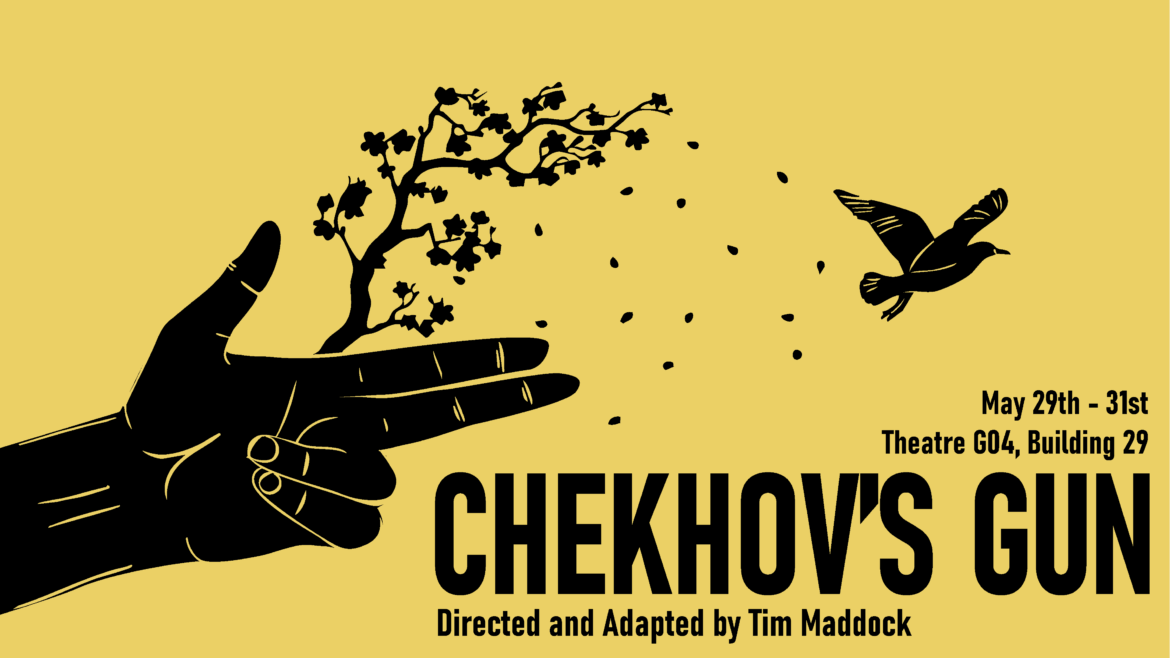
The concept of Chekhov’s Gun—a narrative device where an element introduced early in a story must be used later—has long been a cornerstone of storytelling. It’s a rule that ensures cohesion, foreshadowing, and payoff. But what if we’ve been clinging to a relic of a bygone era? What if the future of storytelling lies not in the meticulous placement of physical objects, but in the delicate orchestration of mood? Enter Chekhov’s Mood: a revolutionary approach where the emotional atmosphere of a story becomes the driving force, replacing the need for literal guns, letters, or other tangible plot devices. This isn’t just a shift in technique; it’s a paradigm shift in how we engage with narratives.
The Tyranny of the Tangible: Why Chekhov’s Gun Feels Outdated
Chekhov’s Gun is a product of its time—a period when stories were often linear, and audiences craved clear cause-and-effect relationships. A gun on the wall in Act I must fire in Act III. A letter hidden in a drawer must reveal a secret. But modern storytelling thrives on ambiguity, psychological depth, and emotional resonance. The rigid adherence to Chekhov’s Gun can stifle creativity, forcing writers to shoehorn in objects or events that feel unnatural. Why should a story’s emotional core be dictated by the presence of a prop? Why must tension hinge on something as arbitrary as a physical object?
Consider the frustration of a writer who crafts a haunting atmosphere, only to realize they’ve omitted a “gun” to justify a later payoff. The result? A story that feels contrived, its emotional beats forced into service of a rule rather than serving the narrative. Chekhov’s Mood liberates the storyteller from this tyranny, allowing the emotional landscape to dictate the plot’s evolution. Instead of a gun, imagine a lingering sense of dread that permeates every scene, a mood that crescendos until it demands resolution—not because of a rule, but because the story itself has earned it.
Chekhov’s Mood: The Art of Emotional Foreshadowing
Chekhov’s Mood is the antithesis of the tangible. It’s the slow unraveling of a character’s psyche, the creeping dread of an impending storm, the suffocating weight of a secret that refuses to stay buried. It’s not about what you show the audience; it’s about what you make them *feel*. A story built on Chekhov’s Mood doesn’t rely on a prop to justify its emotional beats. Instead, it weaves an atmosphere so potent that the audience is left breathless, their expectations shaped not by what they see, but by what they *sense*.
Take, for example, a thriller where the protagonist is haunted by the same recurring nightmare. The audience doesn’t need a literal gun to understand that something terrible is coming. The mood—the oppressive dread, the visceral unease—does the work. The nightmare isn’t a Chekhov’s Gun; it’s a Chekhov’s Mood, a harbinger of the emotional storm to come. The payoff isn’t a physical confrontation; it’s the protagonist’s breakdown, the revelation of a buried trauma, or the chilling realization that their fears were justified all along.
The Alchemy of Atmosphere: Crafting Mood as a Narrative Device
Crafting a story around Chekhov’s Mood requires a different kind of alchemy. It’s not about plotting out physical objects; it’s about curating an emotional palette. The writer must become a master of sensory detail—how the air smells before a storm, the way a character’s hands tremble when they lie, the hollow echo of footsteps in an empty hallway. These details aren’t just window dressing; they’re the building blocks of mood, the threads that weave together to form a cohesive emotional experience.
Consider the difference between a story that uses Chekhov’s Gun and one that employs Chekhov’s Mood. In the former, a character might find a mysterious key in the first act, which later unlocks a treasure chest. In the latter, the key isn’t a physical object but a *metaphor*—a symbol of the protagonist’s unresolved past. The mood shifts with every mention of the key: the clammy grip of the protagonist’s hand, the way the metal feels cold against their skin, the way the lock clicks with a finality that echoes through the story. The payoff isn’t the treasure; it’s the protagonist’s confrontation with their own history, the moment they realize the key was never meant to open a chest, but to unlock a part of themselves they’d buried long ago.
Genres That Thrive on Chekhov’s Mood
Not all genres lend themselves equally to Chekhov’s Mood, but those that do often produce one of the most immersive and unforgettable experiences. Psychological horror, for instance, is a natural fit. The dread isn’t about a monster in the closet; it’s about the slow realization that the monster is the protagonist’s own mind. The mood—the creeping paranoia, the irrational fears, the way the walls seem to breathe—becomes the story’s driving force. The payoff isn’t a jump scare; it’s the protagonist’s breakdown, the moment they confront the darkness within.
Literary fiction, too, benefits from this approach. A novel that explores the nuances of grief, for example, doesn’t need a tangible object to justify its emotional beats. Instead, it relies on the mood—the way the protagonist’s world feels muted, the way colors seem drained of vibrancy, the way silence becomes a physical presence. The payoff isn’t a revelation about a lost loved one; it’s the protagonist’s acceptance, the moment they learn to live with the absence rather than fight it.
Even in romance, Chekhov’s Mood can elevate a story beyond clichés. Instead of a grand gesture—a bouquet of roses or a handwritten letter—the mood becomes the focus. The way the protagonist’s heart races when they see their love interest across a crowded room. The way the air feels charged with possibility. The payoff isn’t a kiss or a proposal; it’s the quiet understanding that love isn’t about grand gestures, but about the way two people’s moods align, the way their emotional landscapes become intertwined.

The Reader’s Role: How Chekhov’s Mood Transforms Engagement
Chekhov’s Mood doesn’t just change how stories are written; it changes how they’re experienced. When a story relies on mood, the audience becomes an active participant. They’re not just observers; they’re co-creators of the emotional landscape. A well-crafted mood invites the reader to fill in the blanks, to project their own fears and desires onto the narrative. This kind of engagement fosters a deeper connection to the story, one that lingers long after the final page is turned.
Consider the difference between a story that uses Chekhov’s Gun and one that employs Chekhov’s Mood. In the former, the audience might feel satisfied by the payoff—a gun fires, a mystery is solved, a conflict is resolved. But in the latter, the audience feels *changed*. The mood has seeped into their bones, leaving them with a lingering sense of unease, a newfound understanding of a character’s struggle, or a quiet revelation about the human condition. The payoff isn’t just a plot point; it’s an emotional experience that reshapes the way the audience sees the world.
Challenges and Pitfalls: Navigating the Emotional Landscape
Of course, crafting a story around Chekhov’s Mood isn’t without its challenges. The biggest hurdle is ensuring that the mood doesn’t become so overwhelming that it alienates the audience. A story that’s all dread and no relief can feel suffocating. A story that’s all longing and no resolution can feel hollow. The key is balance—allowing the mood to ebb and flow, to build and release, to guide the audience through a journey that feels organic rather than forced.
Another challenge is avoiding the trap of vagueness. Mood is subjective, and what one reader finds haunting, another might find confusing. The writer must strike a delicate balance between ambiguity and clarity, using sensory details and emotional cues to guide the audience without over-explaining. The goal isn’t to leave the audience adrift; it’s to invite them into a world where they feel deeply, even if they can’t always articulate why.
The Future of Storytelling: Beyond the Gun, Toward the Soul
Chekhov’s Gun served its purpose in an era when stories were simpler, when audiences craved clear resolutions and tangible payoffs. But we’re no longer in that era. Modern audiences crave depth, ambiguity, and emotional resonance. They want stories that linger, that challenge them, that make them feel something profound. Chekhov’s Mood offers a path forward—a way to craft narratives that are as rich and complex as the human experience itself.
As writers, our challenge is to embrace this shift. To let go of the need for a gun on the wall, a letter in a drawer, a prop that justifies a later payoff. Instead, we must focus on the intangible—the mood, the atmosphere, the emotional undercurrent that drives the story forward. In doing so, we don’t just tell stories; we create experiences. We don’t just entertain; we transform. And isn’t that what storytelling has always been about?
The era of Chekhov’s Gun is fading. The future belongs to Chekhov’s Mood—a future where stories are not just seen or heard, but *felt*. Where the payoff isn’t a gunshot, but a heartbeat. Where the narrative isn’t a series of events, but a journey through the soul. It’s time to let go of the old rules and embrace the new. The gun has fired its last shot. The mood is rising.


Leave a Comment