

Great actors are often celebrated for their ability to captivate audiences, embody complex emotions, and transport viewers into entirely different worlds. Yet, beneath the surface of their magnetic performances lies a skill that is both understated and profoundly transformative: the art of listening. While the spotlight shines on their delivery, the most compelling actors understand that true mastery begins not with speaking, but with absorbing. They are, in essence, the unsung virtuosos of attentiveness, turning silence into a canvas where emotions, intentions, and subtext are painted with precision.
This paradox—where the most expressive performers are also the most receptive—hints at a deeper truth about human connection. To truly move others, one must first be moved by them. The best actors don’t just hear lines; they hear the unspoken, the hesitations, the breath between words. They transform the act of listening from a passive act into an active dialogue with the world around them. In doing so, they reveal that greatness in performance is not merely about what you say, but about how deeply you allow yourself to be shaped by what you hear.

The Illusion of Control: Why Listening is the Actor’s Secret Weapon
Actors are often perceived as individuals who command the stage or screen, dictating the pace and tone of a scene with unwavering confidence. Yet, the most transformative performances emerge when performers relinquish this illusion of control and surrender to the moment. Listening becomes the antidote to over-rehearsed rigidity, allowing actors to respond organically to their scene partners. A raised eyebrow, a stuttered pause, or an unexpected emotional shift—these are not flaws but the raw material of authenticity.
Consider the work of Meryl Streep, whose ability to listen intently to her co-stars often leads to improvisational gold. In *The Devil Wears Prada*, her exchanges with Anne Hathaway are electric not because she dominates the scene, but because she allows Hathaway’s reactions to guide her own. This dynamic reveals a counterintuitive truth: the more an actor listens, the more they control the narrative—not through force, but through collaboration. Listening, then, is the ultimate power play, where the actor’s strength lies in their willingness to be vulnerable.
The Subtext Beneath the Words: Decoding the Unspoken
Dialogue is merely the tip of the iceberg in any performance. Beneath the surface of spoken lines lies a labyrinth of subtext—hidden motivations, unresolved tensions, and unexpressed desires. Great actors are not just fluent in language; they are fluent in the language of silence, pauses, and inflections. They understand that a character’s true intentions are often revealed not in what they say, but in how they say it—or fail to say it at all.
Take, for instance, the work of Daniel Day-Lewis in *There Will Be Blood*. His character, Daniel Plainview, is a man of few words, yet every utterance carries the weight of decades of bitterness and ambition. The audience doesn’t need to be told Plainview is ruthless; they feel it in the way he lingers on a word, or the way his voice drops into a growl before a betrayal. This mastery of subtext is only possible for actors who listen as much to the spaces between words as they do to the words themselves. They become detectives of human behavior, piecing together clues from tone, posture, and the slightest flicker of emotion.
Empathy as a Muscle: Training the Actor’s Most Vital Organ
Listening is not a passive skill; it is a muscle that must be exercised. The best actors approach their craft with the same rigor as an athlete training for the Olympics. They study people—the way a stranger’s hands tremble when they lie, the way a lover’s voice softens when they’re tired, the way a child’s eyes widen at the sight of a birthday cake. This empathy is not innate; it is cultivated through relentless observation and practice.
Method actors, in particular, take this to an extreme. Robert De Niro famously spent months working as a cab driver to prepare for *Taxi Driver*, not just to understand the mechanics of the job, but to absorb the rhythms of real-life conversations. His ability to listen wasn’t just about hearing words; it was about internalizing the cadence of a life lived in the margins. This level of immersion transforms listening from a skill into a way of being. It turns the actor into a sponge, soaking up the world’s nuances and wringing them out in performances that feel eerily real.
The Chemistry of Collaboration: How Listening Fuels Ensemble Work
A solo performance can be powerful, but the alchemy of ensemble acting is where listening truly shines. The most memorable scenes in cinema and theater are not those where one actor dominates, but where the chemistry between performers feels electric. This magic is born from active listening—when actors are so attuned to each other that their responses feel spontaneous, even if they’ve rehearsed the scene a hundred times.
Look no further than the iconic diner scene in *When Harry Met Sally*. The tension between Meg Ryan and Billy Crystal isn’t manufactured; it’s the result of two actors who are fully present with each other. Ryan’s exaggerated reactions to Crystal’s jokes aren’t just comedic timing—they’re a testament to her listening. She doesn’t just wait for her turn to speak; she reacts, adapts, and elevates the scene in real time. This kind of collaboration requires a level of trust and attentiveness that transcends technical skill. It’s the difference between a group of actors performing a scene and a group of actors living it.
The Audience’s Unseen Ally: How Listening Bridges the Fourth Wall
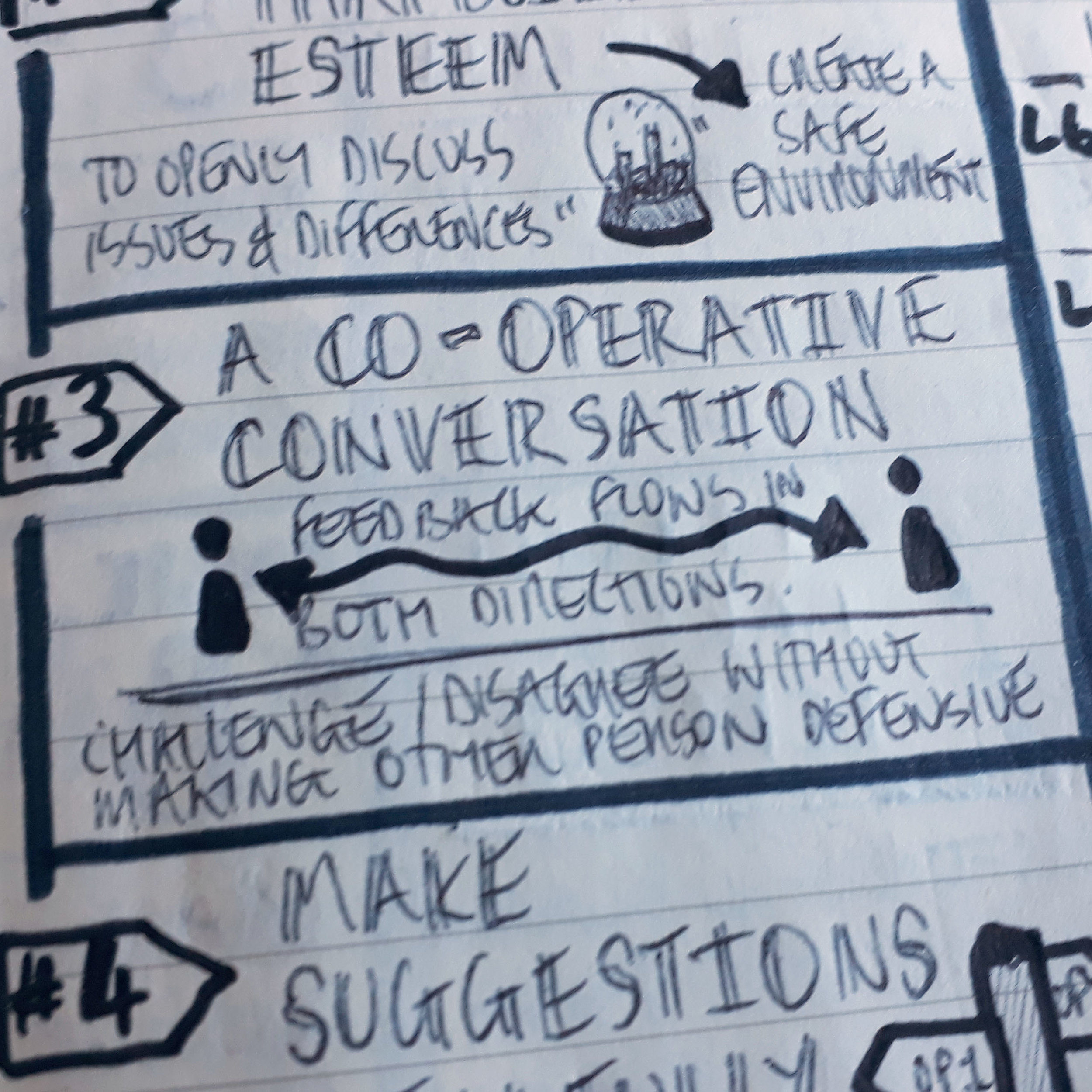
Actors don’t just listen to their scene partners; they listen to the audience itself. The most immersive performances create a feedback loop where the actor’s listening becomes a bridge between the stage and the viewer. When an actor pauses to truly hear a line, the audience feels it too—they lean in, their breath catches, their hearts race in sync with the performer’s. This connection is not achieved through volume or spectacle, but through the quiet art of being fully present.
Consider the work of Viola Davis, whose performances in *Fences* and *The Woman King* feel like eavesdropping on real lives. Davis doesn’t just recite lines; she listens to the weight of each word, as if she’s hearing them for the first time. The audience, in turn, listens with her. They don’t just watch her performance; they experience it alongside her. This is the power of listening in action—it turns the act of watching into an act of shared humanity.
The Paradox of Silence: When Listening Speaks Volumes
There are moments in great performances where the most powerful statement is made in silence. A character’s refusal to speak, a lingering gaze, a trembling lip—these are the tools of actors who understand that sometimes, the absence of words conveys more than words ever could. This is where listening becomes a form of eloquence. By choosing when to speak and when to remain silent, actors invite the audience to fill the gaps with their own interpretations, emotions, and memories.
In *The Piano*, Holly Hunter’s Ada doesn’t speak for much of the film, yet her performance is one of the most expressive in cinema history. Her silence isn’t a lack of communication; it’s a refusal to conform to the expectations of those around her. The audience doesn’t need to hear her to understand her defiance, her grief, or her resilience. They feel it in the way she listens—to the piano’s music, to the ocean’s roar, to the unspoken desires of those who try to control her. This is the ultimate testament to the power of listening: it allows silence to become a language all its own.
The Ripple Effect: How Great Listeners Transform the Craft
The influence of actors who prioritize listening extends far beyond their individual performances. They set a standard for the entire industry, proving that the most compelling storytelling is not about spectacle, but about connection. When actors listen, they remind directors, writers, and even audiences that the heart of great art lies in the unspoken. They elevate the craft by showing that true mastery is not about being the loudest voice in the room, but about being the most attuned.
This ripple effect can be seen in the rise of improvisational theater, where listening is the foundation of every scene. It’s evident in the growing popularity of “quiet cinema,” where films like *Columbus* and *Paterson* prove that a story doesn’t need grand gestures to be profound—it needs authenticity. And it’s visible in the way audiences increasingly crave performances that feel real, raw, and unfiltered. In a world saturated with noise, the actors who listen are the ones who truly resonate.
To be a great actor is to be a great listener first. It’s a humbling realization, one that strips away the glamour of performance and reveals the quiet, relentless work that lies beneath. It’s the difference between reciting lines and living them, between performing a role and becoming it. The most unforgettable actors don’t just command the stage—they surrender to it, allowing the words, the silences, and the unspoken to guide them. In doing so, they remind us all that the deepest connections are not forged in the noise of speech, but in the stillness of true attention.


Leave a Comment