

Why does The Catcher in the Rye still sound like a teenage brain exploded onto the page, decades after its publication? The novel’s protagonist, Holden Caulfield, isn’t just a character—he’s a linguistic time capsule, a raw nerve of adolescent angst preserved in amber. His voice crackles with the unfiltered chaos of a mind that refuses to conform, even as it spirals through the mundane and the profound. It’s not just that Holden sounds like a teenager; it’s that he sounds like your teenager, or the one you once were, or the one you’ll never fully understand. The brilliance of J.D. Salinger’s prose lies in its ability to make the internal monologue of a disaffected 16-year-old feel like a universal anthem for anyone who’s ever felt out of sync with the world.
But here’s the twist: Holden’s voice isn’t just relatable—it’s a challenge. It’s a dare to the reader to sit with discomfort, to wade through the sarcasm and the self-sabotage, and to ask why this particular brand of teenage rebellion still resonates so deeply. What is it about Caulfield’s rambling, contradictory, and often infuriating narration that makes it feel timeless? And why, in an era of curated social media personas and algorithmically polished voices, does Holden’s unfiltered stream-of-consciousness feel like a breath of fresh air—or, for some, a suffocating fog of teenage despair?
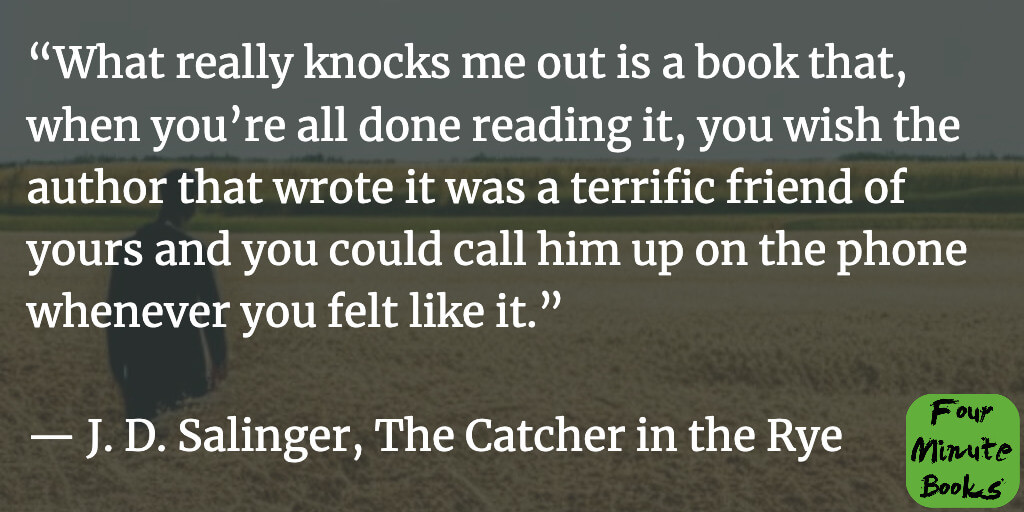
The Unfiltered Chaos of Adolescent Thought
Holden Caulfield’s voice is a masterclass in linguistic rebellion. He doesn’t just narrate his story—he performs it, complete with digressions, contradictions, and a refusal to play by the rules of conventional storytelling. His sentences meander like a teenager pacing a hallway, jumping from one half-formed thought to the next, often looping back on itself in a way that mirrors the way the teenage brain processes emotion. There’s no filter, no polish, no attempt to make his thoughts palatable for the reader. It’s exhausting. It’s exhilarating. It’s real.
Consider the way Holden describes his brother D.B.’s writing: “Now he’s out in Hollywood, D.B., being a prostitute. If there’s one thing I hate, it’s the movies. Don’t even mention them to me.” The contradiction is glaring—he hates Hollywood but mentions it anyway—but that’s the point. Teenagers don’t operate in neat, logical boxes. Their thoughts are a whirlwind of half-baked opinions, sudden obsessions, and knee-jerk reactions. Salinger doesn’t just capture this; he weaponizes it, making the reader complicit in Holden’s chaos. You’re not just observing his thoughts; you’re being dragged through them, whether you like it or not.
The Sarcasm as Armor—and a Weapon
Holden’s sarcasm isn’t just a stylistic choice; it’s a survival mechanism. Every caustic remark, every eye-roll-inducing quip, is a shield against the world’s expectations. He mocks the phonies, the “fakes” who populate his life, but the joke is on him—because the more he rails against them, the more he reveals his own vulnerability. His sarcasm is a double-edged sword: it cuts down others, but it also cuts him.
This is the paradox of teenage rebellion. The more you reject the norms, the more you become a slave to the very thing you’re rejecting. Holden’s sarcasm is a form of self-sabotage, a way to push people away before they can push him. And yet, it’s also a cry for connection. When he says, “I’m the most terrific liar you ever saw in your life,” he’s not just bragging—he’s confessing. He lies to protect himself, but the lies also isolate him. It’s a vicious cycle, and Salinger lays it bare with brutal honesty.
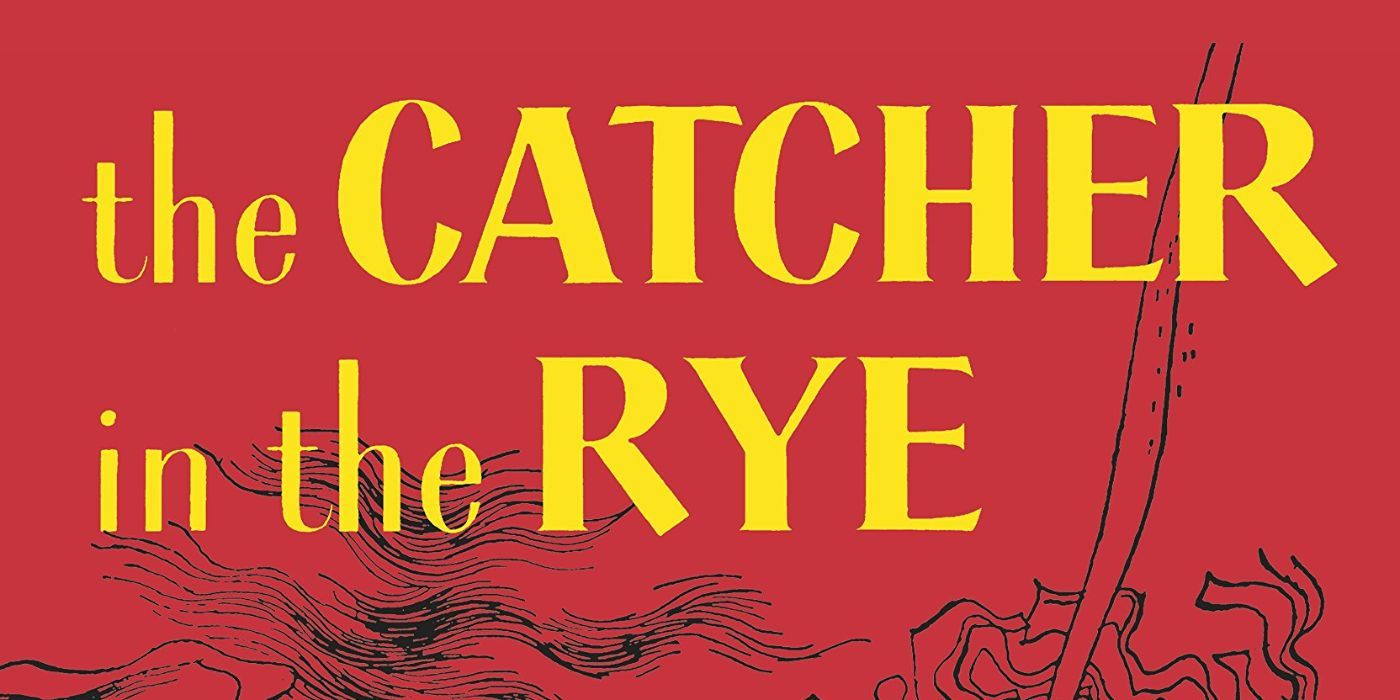
The Red Hunting Hat: A Symbol of Defiance and Alienation
The red hunting hat isn’t just an accessory—it’s a manifesto. Holden buys it on a whim, wears it backward, and refuses to conform to any standard of style. It’s a middle finger to the world, a declaration that he won’t be boxed in by expectations. But here’s the twist: the hat also makes him stand out. It’s a beacon of his alienation, a way to announce to the world, “I don’t belong here.” And yet, in its own way, the hat is a paradox. It’s both a shield and a target, a way to hide and a way to be seen.
This duality mirrors Holden’s relationship with society. He wants to be invisible, to slip through the cracks unnoticed. But his defiance—his voice, his hat, his relentless honesty—ensures that he’s anything but. The hat is a physical manifestation of his internal conflict: he wants to be left alone, but he also craves connection. It’s a contradiction that defines adolescence itself.
The Banned Book Paradox: Why Censorship Only Fuels the Flame
Few books have been as controversial—or as misunderstood—as The Catcher in the Rye. Banned in schools, challenged by parents, and reviled by critics who deemed it “obscene” or “dangerous,” the novel has somehow become more relevant with each passing decade. The irony? The more it’s censored, the more it’s sought out. The more it’s reviled, the more it’s revered. Holden’s voice, with its profanity, its sexual frankness, and its unapologetic disdain for authority, became a rallying cry for generations of readers who saw their own frustrations reflected in its pages.
But the real question isn’t why the book was banned—it’s why it still gets banned. In an era where teenagers have access to far more explicit content online, why does Holden’s voice still make adults so uncomfortable? The answer lies in the book’s refusal to conform. Holden doesn’t just swear; he thinks in a way that challenges authority. He doesn’t just question the status quo; he rejects it outright. And that’s what makes him dangerous—not because he’s a bad influence, but because he’s a mirror. He forces adults to confront the fact that their own teenage years weren’t as tame as they’d like to remember.
The Universality of Teenage Alienation
Holden Caulfield isn’t just a relic of the 1950s—he’s a timeless archetype. Every generation has its Holden: the kid who feels like an outsider, the one who can’t quite fit in, no matter how hard they try. What makes The Catcher in the Rye endure is its refusal to romanticize adolescence. Holden isn’t a hero. He’s not even a reliable narrator. He’s a mess—a brilliant, infuriating, deeply human mess. And that’s what makes him so relatable.
Teenagers today might not use the same slang as Holden, but they feel the same alienation. They might not wear a red hunting hat, but they have their own symbols of defiance. The specifics change, but the core emotion remains: the feeling of being trapped between childhood and adulthood, of wanting to scream into the void while also desperately needing someone to listen. Holden’s voice is a time capsule, but it’s also a bridge. It connects us to our past selves, to the teenagers we once were, and to the ones we’ll never fully understand.
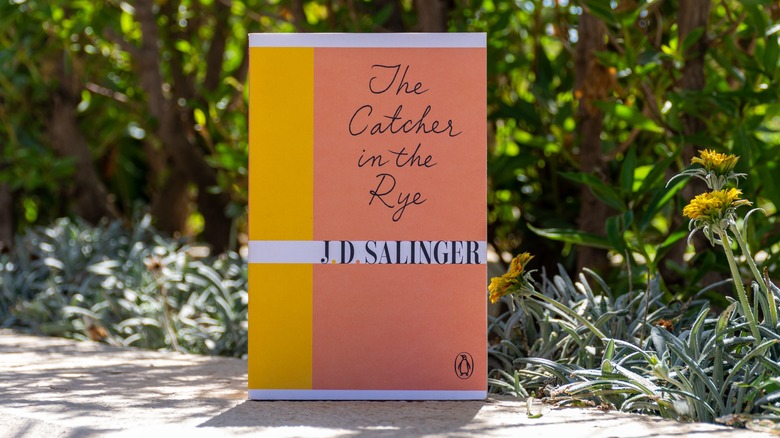
The Challenge of Reading Holden: Can You Handle the Truth?
Here’s the uncomfortable truth: The Catcher in the Rye isn’t just a book you read—it’s a book that reads you. Holden’s voice doesn’t just narrate his story; it forces you to confront your own biases, your own frustrations, your own unresolved teenage angst. It’s not a comfortable experience. It’s messy. It’s exhausting. It’s exhilarating. And that’s why it endures.
So, can you handle it? Can you sit with Holden’s contradictions, his sarcasm, his raw honesty, without flinching? Can you let his voice seep into your bones and challenge everything you thought you knew about adolescence? The book doesn’t just ask you to read it—it asks you to feel it. And that’s the real challenge. Because Holden isn’t just a character. He’s a mirror. And the reflection he offers isn’t always pretty.
But that’s the point. Adolescence isn’t pretty. It’s messy. It’s painful. It’s exhilarating. And Holden Caulfield? He’s the voice of all that chaos, preserved in ink and time. So, if you’re ready to dive in—really dive in—buckle up. Holden’s voice isn’t just a literary device. It’s a storm. And you’re about to get caught in it.


Leave a Comment