

In the whimsical yet fiercely protective world of Disney, creativity is celebrated—but only when it’s original. The magic of Disney lies not just in its enchanting stories and unforgettable characters, but in the meticulous craftsmanship behind them. Yet, in an era where inspiration and imitation often blur, the temptation to replicate a beloved Disney character can feel irresistible. Whether for personal projects, artistic endeavors, or even commercial ventures, copying Disney’s intellectual property is a gamble that rarely pays off. The consequences—legal, financial, and reputational—far outweigh the fleeting thrill of borrowing from the Mouse’s vault. So, why risk the ire of a corporation that has spent over a century building an empire on originality? Instead, let’s explore why you should steer clear of copying Disney characters and, more importantly, what you can do to channel your creativity in ways that honor—and even rival—the magic of Disney itself.
The Legal Labyrinth: Why Disney’s Copyright Fortress Is Unassailable
Disney isn’t just a brand; it’s a legal juggernaut with a reputation for defending its intellectual property with the ferocity of a dragon guarding its hoard. The company’s copyrights on its characters, stories, and even catchphrases are meticulously guarded, often extending decades beyond the standard copyright term. This means that even seemingly harmless fan art or a casual t-shirt design featuring Mickey Mouse could land you in hot water. The Digital Millennium Copyright Act (DMCA) and international copyright laws are unforgiving, and Disney’s legal team has a track record of sending cease-and-desist letters faster than you can say “Hakuna Matata.” Ignorance of the law is no defense, and the fines for infringement can cripple small creators or businesses. The lesson? Disney’s legal reach is long, and its patience is short. Copying isn’t just risky—it’s a one-way ticket to a courtroom showdown.
The Reputational Ruin: When Creativity Becomes Theft
Beyond the legal ramifications, copying Disney characters can tarnish your reputation in ways that linger like a bad spell. The creative community—whether artists, writers, or entrepreneurs—places a premium on originality. Being labeled a copycat can isolate you from collaborators, alienate your audience, and stifle future opportunities. Imagine pouring your heart into a project only to have it overshadowed by accusations of plagiarism. The court of public opinion is swift and merciless, and in the age of social media, a single viral post can amplify your missteps to a global audience. Disney’s characters are cultural touchstones, and associating yourself with their unauthorized use can brand you as untrustworthy or lazy. Authenticity, after all, is the currency of modern creativity.
The Artistic Stagnation: Why Imitation Never Outshines Innovation
Copying Disney characters isn’t just ethically questionable—it’s artistically stifling. True creativity thrives on innovation, not replication. When you borrow wholesale from Disney’s playbook, you rob yourself of the chance to develop your own voice, style, or narrative. The characters you admire exist because of the unique blend of artistry, storytelling, and cultural resonance that Disney perfected. But why settle for a pale imitation when you can create something entirely your own? The world doesn’t need another Mickey Mouse; it needs the next great character waiting to be born from your imagination. By copying, you’re not just stealing from Disney—you’re stealing from yourself.

What to Do Instead: A Playbook for Original Creativity
So, if copying is off the table, what’s a passionate creator to do? The answer lies in reinvention. Disney’s magic isn’t just in its characters—it’s in the way it weaves universal themes into relatable, timeless stories. You can achieve the same effect by drawing inspiration from Disney’s techniques without infringing on its intellectual property. Here’s how:
1. Study the Masters (Without Stealing Their Work)
Disney’s animators and storytellers are masters of their craft. Study their use of color, composition, and narrative structure. Analyze how they build emotional arcs or design characters with distinct personalities. But instead of replicating their work, use these insights to inform your own projects. For example, if you’re designing a character, ask yourself: What makes Disney’s characters iconic? Is it their silhouette, their expressions, or their backstory? Then, apply those principles to your own original design. The goal isn’t to mimic—it’s to learn and innovate.
2. Create Your Own Mythology
Disney’s stories often draw from folklore, fairy tales, and mythology. Why not do the same—but with a twist? Invent your own mythical creatures, kingdoms, or legends. Develop a world with its own rules, history, and culture. This approach not only avoids copyright issues but also allows you to craft something entirely unique. Think of it as building a universe from the ground up, where every element is a reflection of your creativity. The key is to take familiar tropes and subvert them, or blend them with fresh ideas to create something entirely new.
3. Experiment with Style and Medium
Disney’s animation style is instantly recognizable, but that doesn’t mean you have to emulate it. Explore different artistic mediums—watercolor, digital art, stop-motion, or even 3D modeling. Play with unconventional color palettes, line work, or textures. The goal is to develop a style that’s unmistakably yours. For instance, if you’re creating a character, consider how their design could reflect their personality or the world they inhabit. A whimsical, round-faced character might work for a children’s story, while a sharp, angular design could suit a darker narrative. The possibilities are endless when you step outside the Disney box.
4. Focus on Original Storytelling
At the heart of Disney’s success is its storytelling. Instead of copying its characters, focus on crafting your own narratives. What kind of story do you want to tell? Is it a coming-of-age tale set in a futuristic city? A mystery involving a cursed artifact? A heartwarming story about friendship between unlikely allies? The best stories are those that resonate on a personal level, and Disney’s greatest hits—from Frozen to The Lion King—succeed because they tap into universal emotions. Your stories can do the same, but with your own unique voice and perspective.
5. Collaborate with Other Creatives
Creativity thrives in collaboration. Partner with writers, musicians, or other artists to bring your ideas to life. A shared project can spark new directions and help you avoid the pitfalls of copying. For example, if you’re designing a character, collaborate with a writer to flesh out their backstory, or work with a composer to create a theme that reflects their personality. The synergy of multiple creative minds can elevate your work beyond what you could achieve alone—and it ensures that every element is original.
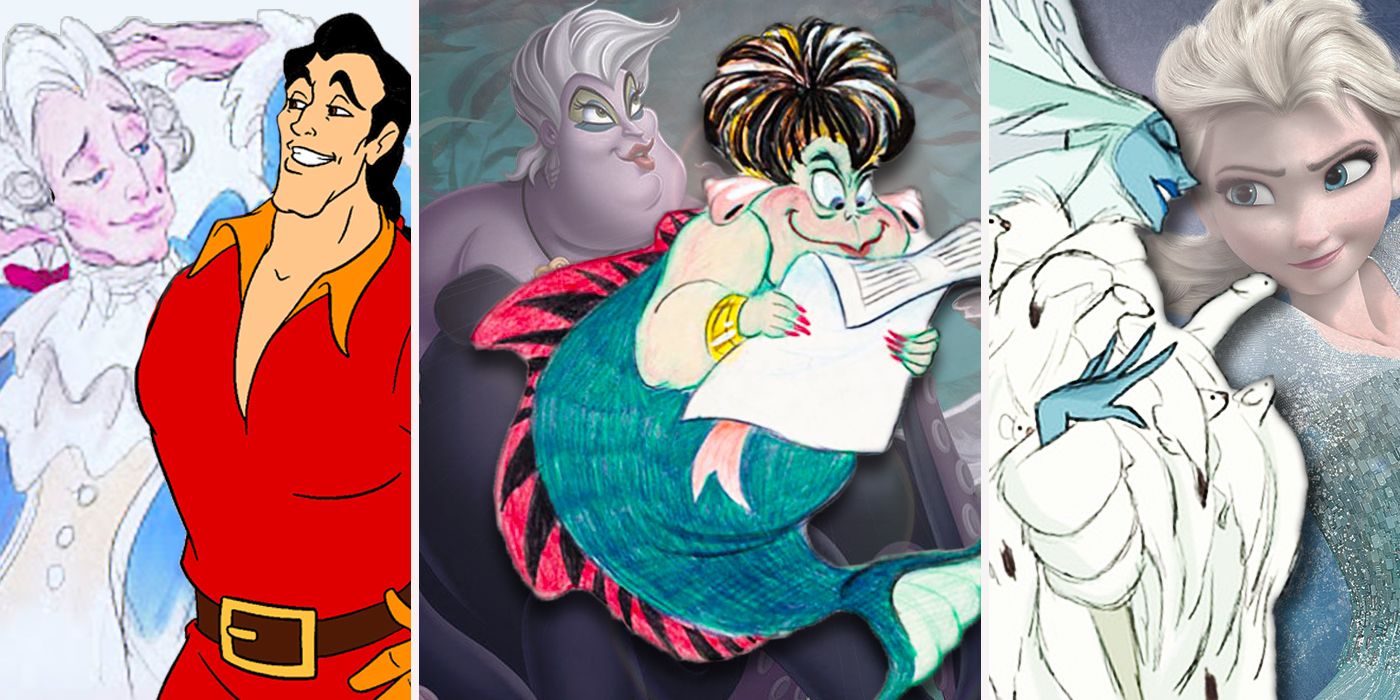
The Power of Ethical Inspiration: How to Borrow Without Stealing
Inspiration is the lifeblood of creativity, and there’s nothing wrong with drawing from the works you admire—as long as you do it ethically. The key is to transform your influences into something new. For example, if you love the whimsy of Alice in Wonderland, don’t recreate the Cheshire Cat. Instead, create a character who embodies the same mischievous charm but in a completely different setting, like a steampunk inventor or a space explorer. The goal is to honor the spirit of what you love while making it your own. This approach not only keeps you on the right side of the law but also ensures your work stands out as a testament to your unique vision.
Building a Sustainable Creative Career
For those dreaming of turning their creative passions into a career, originality isn’t just a nicety—it’s a necessity. The creative industries are crowded, and the ones who succeed are those who bring something fresh to the table. Copying Disney characters might get you short-term attention, but it won’t build a lasting reputation. Instead, focus on developing a body of work that showcases your skills, style, and voice. Whether you’re an artist, writer, or entrepreneur, the market rewards those who innovate. And who knows? Your original creations might just become the next cultural phenomenon.
The magic of Disney lies in its ability to transport audiences to worlds where anything is possible. But the real magic happens when you create your own worlds, your own characters, and your own stories. So, resist the urge to copy. Instead, embrace the challenge of originality. The world is waiting for what only you can create.


Leave a Comment