

Acrylic paint is a chameleon—it can whisper softness like a watercolor or roar with the vibrancy of oil. Yet, when your blends emerge from the canvas looking more like chalk dust than liquid light, the magic fades. The culprit? A silent thief named chalkiness, creeping in like fog over a moor. It drains the life from your strokes, leaving behind a matte, lifeless surface that resists the very essence of fluid artistry. But fear not, for there exists a secret weapon, a silent alchemist that transforms your blends from dull to dazzling. Enter the acrylic retarder—a humble medium with the power to slow time itself, allowing your colors to dance in harmony rather than collide in chaos.
Imagine your paint as a river. Without control, it carves shallow channels, its currents too swift to blend. The retarder is the dam that tames the flow, giving you the time to sculpt your hues into seamless gradients. It’s not about slowing your creativity; it’s about amplifying it. With the right retarder, your blends become buttery, your transitions fluid, and your artwork a symphony of color rather than a discordant mess. Let’s dive into the science, the secrets, and the sheer artistry behind this unsung hero of the acrylic world.
The Alchemy of Blending: Why Acrylics Turn Chalky
Acrylic paint dries with a vengeance. Where oils take their sweet time to set, acrylics harden in minutes, locking your strokes in place before they’ve had a chance to mingle. This rapid polymerization is a double-edged sword—it means your painting is dry to the touch in no time, but it also means your blends can look like they were sketched by a nervous hand rather than painted by an artist.
The chalkiness creeps in when the paint dries too quickly, leaving behind a powdery residue that scatters light instead of absorbing it. It’s as if your colors are wearing a veil, dulling their vibrancy and muting their depth. This is especially true when working with thin glazes or layering translucent hues, where the paint’s natural binders struggle to maintain their integrity. The result? A surface that feels more like pastel dust than the lush, luminous strokes you envisioned.
But here’s the twist: chalkiness isn’t just a drying issue—it’s a hydration issue. Acrylics crave moisture, and when they don’t get enough, they surrender to the elements, drying out like a desert under the noon sun. The retarder steps in as the oasis, replenishing what time and evaporation steal away. It’s not just a tool; it’s a lifeline for your paint’s vitality.
The Retarder’s Magic: Slowing Time Without Stalling Creativity
At its core, an acrylic retarder is a water-based additive designed to extend the paint’s open time—the window during which it remains workable. Think of it as a time-bending elixir, stretching those precious minutes into hours without compromising the paint’s integrity. But how does it work its sorcery?
The retarder contains ingredients that interfere with the paint’s drying process, either by slowing the evaporation of water or by temporarily inhibiting the chemical reaction that turns liquid acrylic into a solid film. Some retarders achieve this by increasing the paint’s viscosity, making it thicker and more resistant to rapid absorption into the surface. Others work by forming a thin, protective layer over the paint, shielding it from the air’s dehydrating touch. The result? A paint that stays supple, pliable, and ready for your artistic whims.
Yet, not all retarders are created equal. Some are formulated to be gentle, preserving the paint’s texture and finish, while others are more aggressive, ideal for heavy blending or wet-on-wet techniques. The key is to choose one that aligns with your vision—whether you’re aiming for buttery smooth gradients or bold, expressive strokes that still retain their luminosity.
From Chalk to Gold: Transforming Your Blends with Retarder
Picture this: you’re blending two hues, one a deep cerulean, the other a sunlit ochre. Without retarder, the cerulean dries in a flash, leaving the ochre to fight an uphill battle against a matte, lifeless backdrop. But with a dab of retarder, the cerulean lingers, softening at the edges like mist over a lake. The ochre flows into it seamlessly, creating a gradient that’s as rich as twilight and as smooth as silk.
The retarder doesn’t just prevent chalkiness—it elevates your blends into something transcendent. It allows you to push the boundaries of your technique, whether you’re aiming for hyper-realistic skies, dreamy watercolor effects, or abstract swirls of color that seem to defy gravity. The secret lies in its ability to maintain the paint’s moisture, ensuring that your colors retain their depth and luminosity long after the brush has left the canvas.

But beware the overuse of retarder—a little goes a long way. Too much can leave your paint sluggish, resistant to drying even when you’re ready for the next layer. It can also dilute the pigment, muting the vibrancy of your colors. The key is balance: use just enough to coax your paint into submission, but not so much that it loses its spirit.
The Retarder Toolkit: Choosing the Right One for Your Art
Not all retarders are born equal, and the market is awash with options, each promising to be the elixir of your artistic woes. So how do you pick the right one?
First, consider the type of retarder. There are two main categories: those that are mixed directly into the paint and those that are applied to the surface. Surface retarders, often in spray form, are ideal for creating textures or slowing the drying of specific areas without altering the paint’s consistency. Mix-in retarders, on the other hand, are blended into the paint itself, offering a more uniform effect across your entire piece.
Next, think about the finish. Some retarders leave a glossy sheen, while others maintain a matte appearance. If you’re aiming for a specific look—whether it’s the sheen of oil paint or the softness of watercolor—choose a retarder that aligns with your vision. Additionally, consider the drying time. Some retarders extend the open time by mere minutes, while others can keep your paint workable for hours. For large-scale pieces or intricate blending, a longer open time is invaluable.
Lastly, don’t overlook the brand. Some artists swear by certain brands for their consistency and reliability, while others experiment with lesser-known options to achieve unique effects. The best way to find your perfect match? Test, test, and test again. Paint swatches, blend hues, and observe how each retarder interacts with your chosen colors and surfaces.
Beyond the Canvas: Retarder in the Artist’s Arsenal
The retarder isn’t just a blending aid—it’s a gateway to new techniques and possibilities. With it, you can explore the world of wet-on-wet painting, where colors bleed into one another like clouds in a storm. You can create textures that mimic the roughness of tree bark or the smoothness of marble, all while maintaining the vibrancy of your hues. The retarder becomes your paint’s guardian, shielding it from the harsh realities of rapid drying and allowing you to push the boundaries of your creativity.
But its magic doesn’t end with blending. Retarders can also be used to revive dried paint, softening edges and reawakening colors that have lost their luster. They can help you achieve glazing effects that shimmer with depth, or they can be used to create subtle gradients that fade into nothingness like the horizon at dusk. The retarder is, in essence, the artist’s Swiss Army knife—a tool that adapts to your needs, whether you’re a realist, an abstract painter, or somewhere in between.
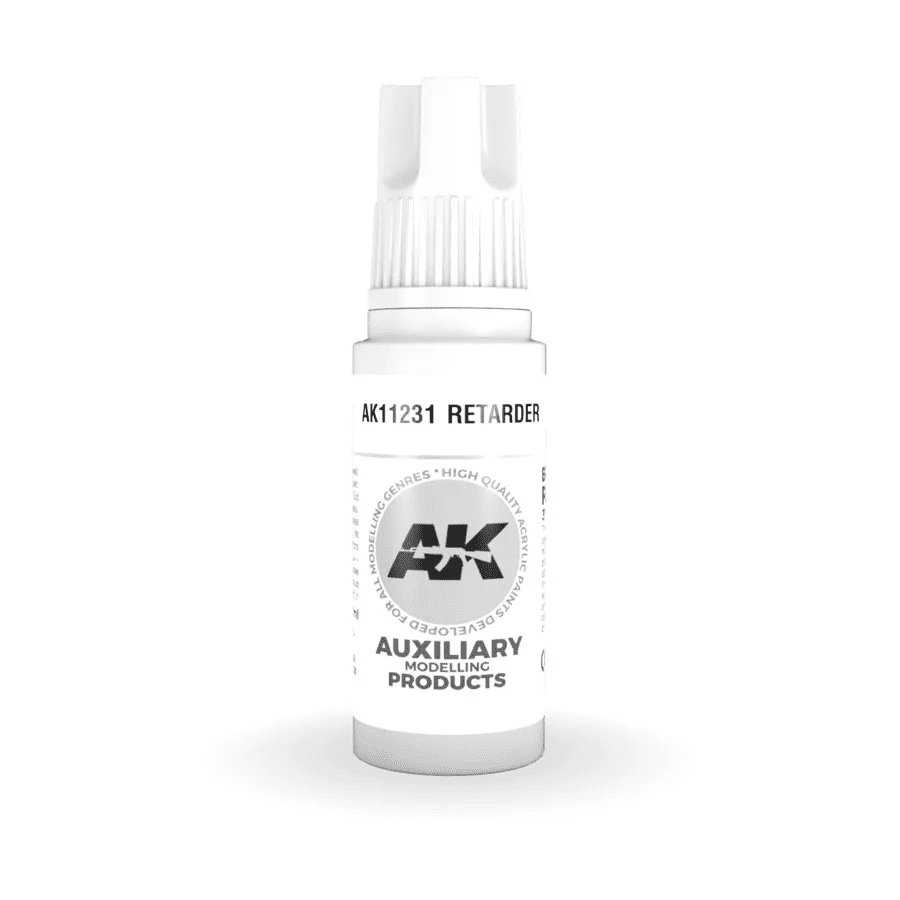
And let’s not forget the joy of experimentation. The retarder invites you to play, to take risks, and to discover new ways of expressing yourself. It’s the difference between a painting that feels like a struggle and one that feels like a dance—a fluid, effortless waltz between you and your canvas.
So the next time your acrylic blends threaten to turn chalky, remember: you hold the power to transform them. With a little retarder magic, your colors will flow like rivers, your gradients will sing like birds, and your artwork will leap off the canvas with a vibrancy that captivates the soul. The secret isn’t in the paint—it’s in the patience, the precision, and the alchemy of slowing time itself. Embrace the retarder, and let your artistry flourish.


Leave a Comment