

The ending of a story isn’t just a resolution—it’s the final verdict on every promise you’ve made. When the climax fails to answer the thematic question, it doesn’t just fall flat; it leaves the reader staring at a narrative corpse, wondering what went wrong. Thematic questions are the heartbeat of your story, the invisible thread that ties every scene, character, and conflict together. When the climax ignores them, the story collapses like a house of cards in a hurricane. But when it answers them with precision, the ending doesn’t just satisfy—it resonates, haunts, and lingers like a half-remembered dream. Let’s dissect why so many endings fail and how to craft a climax that doesn’t just wrap things up, but *earns* the right to do so.
The Thematic Question: The Unseen Architect of Your Story
Every great story begins with a question, not just a plot. This isn’t the “Will the hero save the kingdom?” kind of query—it’s deeper, more insidious. It’s the “What does it mean to sacrifice everything for love?” or “Can redemption exist without forgiveness?” These questions lurk beneath the surface, shaping every decision, every dialogue exchange, every character arc. They’re the compass that guides the reader through the labyrinth of your narrative. When the climax ignores them, the story becomes a ship without a rudder, drifting aimlessly toward an arbitrary shore.
Consider the difference between a story that feels *complete* and one that feels *convenient*. The former answers its thematic question with inevitability; the latter tacks on a resolution like a Band-Aid on a gunshot wound. The thematic question isn’t just a tool—it’s the soul of your story. Ignore it, and you’re left with a hollow shell, a spectacle without substance. Answer it, and you create an ending that lingers, that demands to be discussed, debated, and dissected.

The Climax: Where Thematic Promises Collide (or Fizzle)
The climax isn’t just the highest point of action—it’s the crucible where your thematic question is tested, shattered, or affirmed. This is where the rubber meets the road, where the protagonist’s journey culminates in a moment that should either validate or dismantle their core beliefs. If your climax is a battle, a revelation, or a heartbreaking farewell, it must do more than just *happen*—it must *mean* something in the context of your story’s deeper inquiry.
Too often, writers mistake spectacle for significance. A car chase, a sword fight, a dramatic confession—these are all fine, but they’re meaningless if they don’t tie back to the thematic question. Imagine a story about the cost of ambition where the climax is a literal explosion, but the protagonist’s arc hasn’t changed. The fireworks are impressive, but the ending is a lie. The thematic question demands an answer, and the climax is where that answer is delivered. Without it, the story feels like a meal served without a main course—technically edible, but fundamentally unsatisfying.
The Three Fatal Flaws of a Thematically Hollow Climax
Not all unsatisfying endings are created equal. Some are lazy. Some are rushed. Some are downright contradictory. But the most insidious are those that *seem* satisfying on the surface but crumble under scrutiny. Here are the three most common ways a climax fails to answer the thematic question:
1. The Convenient Resolution
This is the ending where the protagonist gets what they want without earning it. A villain is defeated by sheer luck. A love interest returns because the plot demands it. A character’s flaw is magically fixed overnight. Convenience is the enemy of thematic resonance. It tells the reader that the story’s internal logic doesn’t matter—only the external outcome. Thematic questions require struggle, growth, or sacrifice. If the climax arrives without any of these, the ending feels like a betrayal.
2. The Misdirected Payoff
Sometimes, the climax *seems* to answer the thematic question, but it’s answering the wrong one. A story about the futility of war ends with a grand battle where the protagonist wins, but the victory is hollow because the thematic question was never about winning—it was about the cost of conflict. The misdirected payoff occurs when the writer confuses the thematic question with the plot question. The plot question asks, “What happens next?” The thematic question asks, “What does it all mean?” If your climax only answers the former, the story will feel shallow, no matter how explosive it is.
3. The Abrupt U-Turn
This is the ending where the protagonist’s arc is completely rewritten in the final act. A cynic becomes an optimist overnight. A coward finds courage in a single moment. A broken person is suddenly whole. Abrupt U-Turns happen when the writer realizes too late that their thematic question wasn’t properly explored and tries to force a resolution. Thematic growth should be gradual, earned, and consistent with the character’s established journey. An abrupt reversal doesn’t answer the thematic question—it erases it.
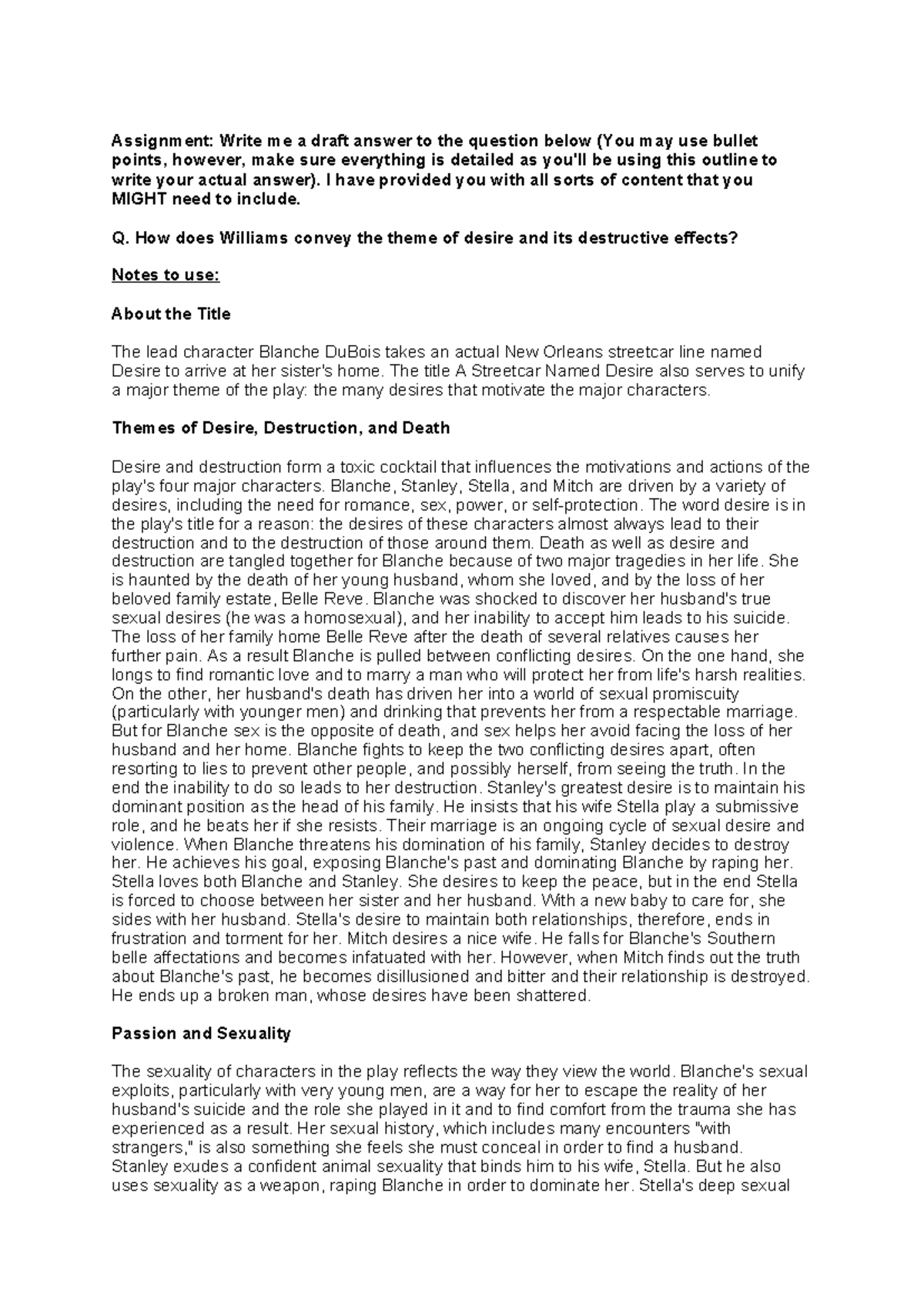
Crafting a Climax That Answers the Thematic Question
So how do you ensure your climax doesn’t just *end* the story, but *fulfills* it? The answer lies in three key principles: inevitability, resonance, and sacrifice. Your climax must feel like the only possible outcome given the story’s internal logic. It must echo the thematic question in a way that lingers. And it must demand something from your characters—something they may not want to give.
Inevitability: The Illusion of Foregone Conclusion
Great climaxes don’t feel like twists—they feel like revelations. The reader should look back at the story and think, “Of course it ended this way.” This doesn’t mean the ending is predictable; it means it’s *earned*. Every decision, every setback, every moment of growth should point toward the climax. If your thematic question is “Can love conquer fear?” then the climax shouldn’t be a sudden declaration of love—it should be a moment where the protagonist chooses love despite their fear, proving that the answer is yes. The inevitability comes from the story’s internal consistency, not from cheap foreshadowing.
Resonance: The Echo of Meaning
Resonance is what makes an ending memorable. It’s the moment where the thematic question isn’t just answered—it’s *felt*. Think of the final scene in *The Godfather*, where Michael Corleone sits alone in his office, surrounded by the ghosts of his choices. The thematic question—”What does power cost?”—is answered not through dialogue, but through the weight of the moment. Your climax should do the same. It shouldn’t just tell the reader what the answer is; it should make them *experience* it. This requires careful pacing, symbolism, and a deep understanding of your story’s core question.
Sacrifice: The Price of the Answer
The most powerful climaxes are built on sacrifice. The protagonist must give up something—whether it’s a belief, a relationship, or their own life—to answer the thematic question. Sacrifice is the currency of meaning. In *Breaking Bad*, Walter White’s downfall isn’t just about his actions—it’s about the cost of his choices. The thematic question—”What does it mean to be a man?”—is answered through his inability to let go of his ego, even when it destroys everything. If your climax doesn’t demand a sacrifice, it’s not answering the thematic question—it’s just wrapping up the plot.
The Reader’s Role: Why They’ll Notice (and Remember) a Hollow Ending
Readers aren’t passive consumers—they’re detectives, searching for meaning in every word. When a climax fails to answer the thematic question, they *feel* it, even if they can’t articulate why. It’s the same discomfort you get when a joke falls flat or a magic trick is explained too soon. The story’s internal logic has been violated, and the reader’s trust is broken. On the other hand, when a climax *does* answer the thematic question, it creates a moment of catharsis that lingers. It’s the difference between leaving a movie theater and immediately forgetting the plot, versus sitting in stunned silence, replaying the ending in your mind.
This is why the best endings don’t just satisfy—they *haunt*. They leave the reader with a question of their own: “What would I have done in that situation?” That’s the power of a thematically resonant climax. It doesn’t just end the story—it extends it into the reader’s life.
The next time you write a climax, ask yourself: What is the thematic question my story is asking? Does the climax answer it? If not, you’re not just writing a weak ending—you’re breaking a promise to your reader. But if you do answer it, with inevitability, resonance, and sacrifice, you won’t just give your story a satisfying conclusion. You’ll give it a legacy.


Leave a Comment