

Picture this: you’re strolling through a bustling café, the aroma of freshly ground beans swirling in the air, your favorite latte cradled in a ceramic embrace. One moment of distraction—a sudden step, a misplaced foot—and your coffee sloshes over the rim, staining your shirt and dashing your morning ritual to ruin. But why does this happen? Why does your coffee cup betray you at the most inconvenient moment? The answer lies not in clumsiness, but in the elegant, invisible dance of fluid dynamics governed by a principle so profound it shaped modern physics: Bernoulli’s principle.
At first glance, a spilled coffee cup seems trivial—a minor mishap in the grand theater of life. Yet, beneath the surface of that dark, aromatic liquid lies a hidden world of pressure gradients, velocity fields, and energy conservation, all choreographed by the same forces that lift airplanes into the sky and propel blood through your veins. To understand why your coffee spills, we must descend into the fluid realm where every sip is a negotiation between gravity and momentum, and where the shape of your cup is both a vessel and a trap.

The Invisible Hand of Pressure: How Fluid Moves When You Don’t
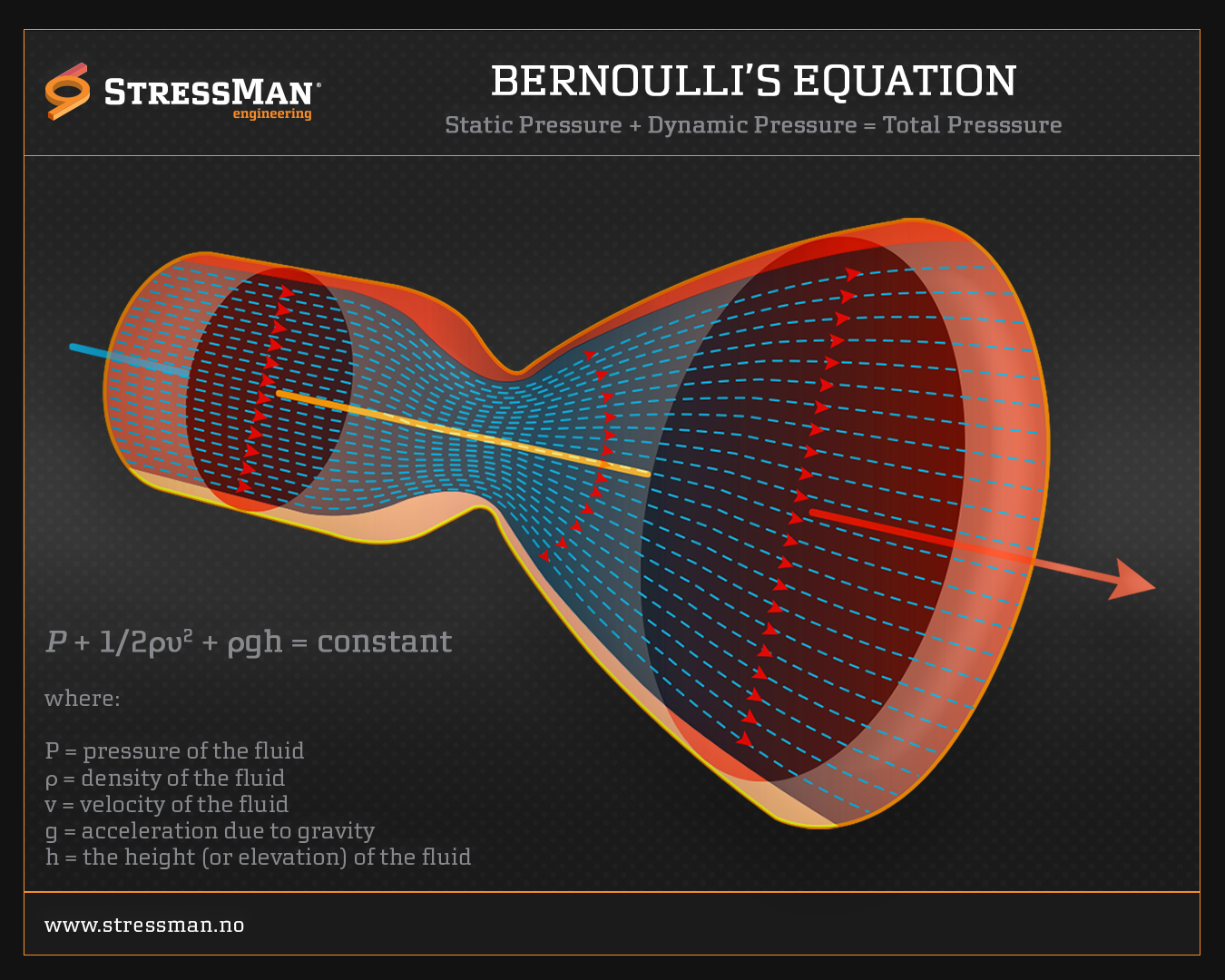
When you tilt your coffee cup, the liquid inside doesn’t just obediently follow. It resists. It hesitates. It surges. This resistance isn’t defiance—it’s physics. As the cup tilts, the surface of the coffee remains level due to gravity, but the shape of the container forces the fluid to accelerate around the curved edge. Here, Bernoulli’s principle takes center stage: as the speed of the fluid increases, its internal pressure decreases. This inverse relationship between velocity and pressure is the silent puppeteer behind every spill.
Imagine the coffee as a troupe of dancers. When they move in unison across a wide stage (the flat part of the cup), they glide effortlessly. But when they reach the edge and must curve around the rim, they speed up to maintain their flow. As they accelerate, the space between them stretches thin, and the pressure holding them together weakens. The faster they move, the less they press against the walls of the cup. And when that pressure drops below the atmospheric pressure outside, the coffee doesn’t just sit there—it gets pulled outward, like a flag unfurling in a sudden gust.
This phenomenon is especially pronounced in cups with narrow rims or steep walls. The sharper the curve, the faster the fluid must flow to maintain its path, and the more dramatic the pressure drop. Your favorite ceramic mug, with its gentle slope, might seem forgiving—until you tilt it just a fraction too far. Then, the fluid’s velocity spikes, the pressure plummets, and suddenly, your shirt becomes an unintended canvas for modern art.
The Vortex of Doom: Why Swirling Leads to Spilling
Now, consider the act of stirring your coffee. You insert the spoon, swirl it in a circular motion, and watch as the liquid spins in hypnotic eddies. But this seemingly innocuous ritual is a precursor to disaster. When you stir, you’re not just mixing cream and sugar—you’re imparting angular momentum to the fluid, creating a miniature whirlpool at the center. This vortex generates a low-pressure zone in the middle, while the outer edges of the cup experience higher pressure.
As the vortex intensifies, the pressure difference between the center and the rim grows. The fluid at the surface, already vulnerable due to the tilt of your cup, gets pulled toward the low-pressure core. The result? A rising tide of coffee that creeps up the sides, defying gravity until it spills over the edge in a slow-motion cascade. This is the Bernoulli effect in full force—a fluid’s attempt to equalize pressure by climbing the walls of its container.
Even if you don’t stir, the mere act of walking with a cup introduces subtle vibrations and tilts. Your gait isn’t perfectly smooth. Each step imparts a tiny acceleration, a micro-tilt, a fleeting imbalance. The coffee responds by sloshing, its surface rippling like a pond disturbed by a pebble. These oscillations are amplified by the cup’s geometry. A tall, narrow vessel will slosh more violently than a wide, shallow one, because the fluid has less room to dissipate energy. The taller the column of liquid, the more inertia it possesses, and the harder it is to stop once it starts moving.

The Geometry of Spillage: Why Your Cup Betrays You
Not all cups are created equal. The design of your vessel plays a critical role in whether your coffee remains where it belongs. A cup with a wide, flared rim distributes the fluid’s momentum more evenly, reducing the risk of spillage. But a cup with a narrow, straight edge concentrates the flow, creating a high-velocity jet that’s easily dislodged by the slightest disturbance.
Consider the difference between a cappuccino cup and a travel mug. The former has a broad, shallow bowl that encourages calm, stable surfaces. The latter, often tall and cylindrical, traps the fluid in a column that sways with every step. The travel mug’s lid is a desperate attempt to counteract physics—a bandage on a wound that refuses to heal. Even with a lid, the pressure imbalances persist. When you open the lid to sip, the sudden release of internal pressure can cause the fluid to surge upward, like a geyser erupting from the depths.
And then there’s the matter of the cup’s material. A lightweight plastic tumbler flexes with the fluid’s motion, absorbing some of the energy. A rigid ceramic mug, however, transmits every vibration directly to the liquid, amplifying the sloshing effect. The stiffer the container, the more faithfully it reflects the fluid’s internal chaos.
The Human Factor: How We Misread the Fluid’s Intentions
We blame ourselves when coffee spills. We call it clumsiness, inattention, bad luck. But the truth is, we’re poorly calibrated to the fluid world. Our brains evolved to navigate solid ground, not the mercurial behavior of liquids. We underestimate the inertia of water, overestimate the stability of a tilted surface, and fail to account for the invisible pressure gradients that govern every drop.
When you walk with a cup, your eyes track the rim, not the fluid’s surface. You assume the coffee will stay put because the cup hasn’t moved far enough to spill. But physics doesn’t care about your assumptions. It cares about velocity, pressure, and the conservation of energy. The moment the cup tilts beyond a critical angle—one that depends on the cup’s shape and the fluid’s density—the Bernoulli effect takes over, and the coffee surges outward like a dam breaking.
This disconnect between perception and reality is why spills feel so personal. The coffee isn’t just spilling—it’s betraying your trust. It’s as if the liquid has a mind of its own, conspiring to ruin your day. But in truth, it’s merely obeying the immutable laws of fluid dynamics, a silent symphony of forces that have shaped the universe since its inception.
Mastering the Fluid Dance: How to Keep Your Coffee Where It Belongs
So, how do you outmaneuver Bernoulli’s principle? The answer lies in understanding the enemy. First, choose your vessel wisely. Opt for cups with wide, stable bases and gently sloping rims. Avoid tall, narrow containers unless they’re equipped with lids or spill-proof designs. Second, minimize disturbances. Walk slowly. Avoid sudden movements. Keep your cup level, even if it means sacrificing a little elegance.
When stirring, do so gently and briefly. Let the vortex dissipate before moving. And if you must carry your coffee across a room, cradle it close to your body, reducing the amplitude of any potential sloshing. Think of it as cradling a sleeping child—any sudden motion could wake the beast within.
There’s a poetic irony in the fact that the same principle that allows airplanes to fly is the one that drenches your shirt in caffeine. Bernoulli’s principle is a reminder that the world is far more interconnected than it appears. A spilled cup of coffee is not just a minor inconvenience—it’s a lesson in humility, a glimpse into the hidden forces that govern our daily lives.
Next time your coffee threatens to escape its vessel, pause for a moment. Acknowledge the invisible hand of pressure, the delicate balance of velocity and potential energy. Then, tilt your cup just a little less, walk just a little slower, and let the fluid’s dance unfold with grace—before it decides to dance on your shirt instead.


Leave a Comment