

Have you ever listened back to your latest track, only to cringe at the hi-hats? Not because they’re out of tune or poorly recorded, but because they sound like a relentless, mechanical pulse—a sonic metronome that drains the life from your mix. It’s a frustration so common it borders on universal among producers. The problem isn’t your ears. It’s the illusion of precision. Hi-hats, when left to their own devices, default to a rigid, unfeeling rhythm that divorces your music from the organic pulse of human expression. The secret to transforming them from a cold, digital tick into a living, breathing groove lies not in more samples or plugins, but in the art of humanization.
Humanization isn’t about randomizing every hit into chaos. It’s about reintroducing the subtle imperfections that make music feel alive. Think of it as the difference between a robot reading a speech and a seasoned orator delivering a heartfelt monologue. The former is precise; the latter is compelling. Your hi-hats can—and should—aspire to the latter. The key is understanding that groove isn’t a grid; it’s a conversation. And conversations thrive on nuance, timing, and imperfection. Let’s dive into the techniques that will elevate your hi-hats from metronomic monotony to rhythmic revelation.

The Tyranny of the Grid: Why Your Hi-Hats Feel Like a Robot’s Heartbeat
Modern DAWs have gifted us with grid-based editing, a tool that promises precision but often delivers sterility. When you quantize your hi-hats to the grid, you’re essentially forcing them into a straitjacket. The result? A rhythm that feels as dynamic as a heartbeat monitor in a hospital—functional, but devoid of soul. The grid doesn’t account for the natural ebb and flow of human timing. It doesn’t know that a drummer’s hi-hat might slightly anticipate or lag behind the beat, depending on the feel they’re chasing. It doesn’t understand that music, at its core, is a physical experience. Our bodies sway, our feet tap, our fingers snap—not in perfect unison with a clock, but in response to an invisible pulse that breathes and shifts.
Consider the work of legendary drummers like Clyde Stubblefield or J Dilla. Their hi-hat patterns aren’t locked to a grid; they’re alive with micro-timing shifts, ghost notes, and rhythmic phrasing that defy mechanical repetition. This isn’t sloppiness—it’s intentional artistry. The grid is a tool, not a rule. When you rely on it too heavily, you strip away the very elements that make rhythm feel human: the slight drag of a late hit, the hurried rush of an early one, the uneven spacing that mimics the unpredictability of a live performance. The first step to humanizing your hi-hats is to acknowledge that the grid is a starting point, not a destination.
Micro-Timing: The Invisible Glue That Binds Rhythm to Reality
Micro-timing is the subtle art of nudging your hi-hats slightly off the grid to mimic the natural imperfections of human performance. It’s not about randomizing hits into oblivion; it’s about introducing controlled, intentional variations that make your rhythm feel organic. Start by selecting a hi-hat pattern and applying a small amount of random timing variation—typically between 5 to 15 milliseconds. This might seem negligible, but it’s enough to break the robotic lockstep of your hi-hats. The human ear perceives these tiny shifts as natural, almost subconsciously, while the grid-based precision registers as artificial.
But micro-timing isn’t a one-size-fits-all solution. The degree of variation should depend on the genre and the emotional intent of your track. For example, a deep house groove might benefit from wider timing spreads, creating a laid-back, almost lazy feel. In contrast, a high-energy drum & bass track might require tighter, more controlled variations to maintain its punchy energy. Experiment with different amounts of randomization, but always trust your ears. If the variation feels too extreme, dial it back. The goal is to enhance the groove, not obscure it.
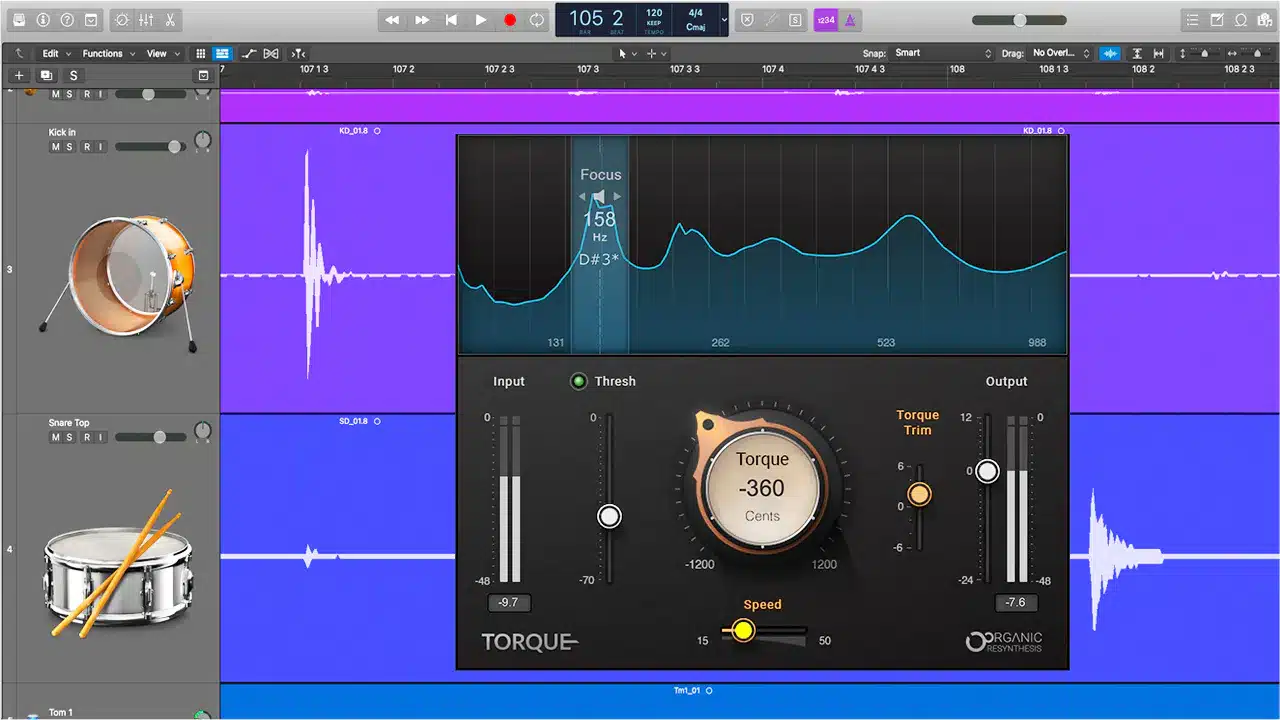
Another technique is to layer your hi-hats with slight timing offsets. For instance, you might have one hi-hat slightly ahead of the beat, another slightly behind, and a third perfectly on the grid. This creates a sense of depth and movement, as if the hi-hats are interacting with each other in real time. It’s a trick used by top-tier producers to add dimension to their rhythms without overcomplicating the arrangement. The key is to keep the variations subtle and intentional. The human ear is remarkably sensitive to rhythm, and even the smallest shifts can make a significant difference in how your track feels.
Velocity Variations: The Pulse of Emotional Nuance
Velocity isn’t just about loudness; it’s about expression. A hi-hat hit with higher velocity feels more aggressive, while a softer hit feels more delicate. By varying the velocity of your hi-hats, you introduce a dynamic range that mimics the natural dynamics of a live performance. Think of it as the difference between a drummer playing with a stiff wrist versus a relaxed, fluid motion. The latter produces a more organic and engaging sound.
Start by creating a velocity map for your hi-hat pattern. For example, you might assign higher velocities to the downbeats and lower velocities to the offbeats, creating a sense of emphasis and release. Alternatively, you could use a random velocity generator to introduce subtle, unpredictable variations. The goal is to avoid a uniform, machine-like dynamic that flattens the emotional impact of your rhythm. In genres like jazz or soul, velocity variations are essential for capturing the improvisational spirit of the music. Even in electronic genres, where precision is often prized, a touch of velocity variation can add warmth and humanity to your hi-hats.
Another approach is to use velocity to create a sense of phrasing. For instance, you might have a hi-hat pattern that starts with a strong, accented hit, followed by a series of softer, more delicate hits. This creates a rhythmic contour that feels more like a musical phrase than a mechanical loop. It’s a subtle technique, but one that can elevate your hi-hats from background noise to a driving force in your mix.
Ghost Notes and Subtle Articulations: The Hidden Layers of Groove
Ghost notes are the quiet, almost imperceptible hits that lurk beneath the main rhythm. They’re the rhythmic equivalent of a whisper in a crowded room—easy to miss, but impossible to ignore once you notice them. In the context of hi-hats, ghost notes can add depth and texture to your rhythm, creating a sense of movement and anticipation. For example, you might place a soft hi-hat hit just before the downbeat, subtly leading the listener into the next measure. Or you could add a series of ghost notes between the main hits, filling out the rhythm and making it feel more dynamic.
Ghost notes aren’t just about timing; they’re also about articulation. A closed hi-hat played with a sharp attack feels different from an open hi-hat played with a sustained release. By layering different articulations, you can create a richer, more textured hi-hat sound. For instance, you might combine a closed hi-hat with a subtle open hi-hat tail, adding a sense of decay and movement to the rhythm. This technique is particularly effective in genres like hip-hop or R&B, where the hi-hats often serve as a rhythmic foundation for the entire track.
Don’t be afraid to experiment with unconventional articulations. For example, try using a reverse hi-hat sample or a pitch-bent hi-hat to add a unique character to your rhythm. The key is to keep the ghost notes subtle and intentional. They should enhance the groove, not overwhelm it. When used correctly, ghost notes can transform a flat, lifeless hi-hat pattern into a rhythmic tapestry that draws the listener in.
Swing and Groove: The Alchemy of Imperfect Timing
Swing is the secret sauce that turns a rigid rhythm into a groove. It’s the difference between a march and a shuffle, between a metronome and a heartbeat. Swing is achieved by delaying certain hits in a pattern, creating a sense of lilt and bounce. In electronic music, swing is often applied to hi-hat patterns to mimic the feel of live drumming. For example, a 16th-note hi-hat pattern with 60% swing will feel more relaxed and organic than a straight pattern. The exact percentage of swing depends on the genre and the desired feel. A deep house track might use a 50% swing, while a drum & bass track might use a 70% swing for a more aggressive feel.
But swing isn’t just about applying a preset groove template. It’s about understanding the underlying rhythm and using swing to enhance it. For example, you might apply a different swing setting to different sections of your track to create a sense of movement and evolution. Or you could use swing to emphasize certain hits, making them feel more dynamic and engaging. The key is to experiment and trust your ears. Swing is a subjective tool, and the “right” amount depends on the emotional intent of your track.
Another technique is to use swing in combination with micro-timing. For example, you might apply a 60% swing to a hi-hat pattern, then nudge certain hits slightly off the grid to add even more organic feel. This layered approach can create a rhythm that feels both structured and spontaneous, a hallmark of great groove-based music.
Layering and Textural Depth: The Hi-Hat as a Sonic Palette
Hi-hats aren’t just about rhythm; they’re also about texture. By layering different hi-hat samples, you can create a rich, multi-dimensional sound that adds depth to your mix. For example, you might layer a bright, crisp hi-hat with a darker, more muted sample to create a balanced, full-bodied sound. Or you could layer a metallic hi-hat with a shaker-like sample to add a subtle, percussive texture. The key is to choose samples that complement each other and enhance the overall groove of your track.
Don’t limit yourself to traditional hi-hat sounds. Experiment with unconventional samples, like reversed cymbals, vinyl crackle, or even vocal chops, to create a unique sonic signature. The hi-hat is a versatile tool, and its potential extends far beyond the standard closed/open hi-hat paradigm. By thinking outside the box, you can turn your hi-hats into a sonic palette that adds color and character to your music.
Another technique is to use automation to create dynamic, evolving hi-hat patterns. For example, you might automate the volume of your hi-hats to create a sense of ebb and flow, or automate the filter cutoff to add movement and texture. Automation can transform a static hi-hat loop into a living, breathing element of your mix. The key is to use automation sparingly and intentionally, ensuring that it enhances the groove rather than distracting from it.
The Final Touch: Mixing for Humanity
Humanizing your hi-hats isn’t just about the arrangement; it’s also about the mix. A well-mixed hi-hat can cut through a dense arrangement without overpowering it, adding clarity and definition to your rhythm. Start by EQing your hi-hats to sit well in the mix. A gentle high-pass filter can remove muddiness, while a subtle boost in the 10kHz to 12kHz range can add air and presence. Be careful not to overdo it, though. The goal is to enhance the natural character of your hi-hats, not to sterilize them.
Compression can also play a role in humanizing your hi-hats. A light compression setting can even out the dynamics, making the hits feel more cohesive and intentional. But be cautious with heavy compression, as it can strip away the subtle nuances that make your hi-hats feel alive. Use compression as a tool to enhance the groove, not to mask its imperfections.
Finally, consider the spatial placement of your hi-hats. Panning them slightly left or right can create a sense of width and depth, making them feel more three-dimensional. You might also experiment with reverb to add a sense of space and ambience. A short, subtle reverb can make your hi-hats feel more organic, as if they’re part of a larger acoustic environment. Just be sure to use reverb sparingly, ensuring that it enhances the groove rather than washing it out.
Humanizing your hi-hats is a journey, not a destination. It’s about embracing imperfection, trusting your ears, and allowing your music to breathe. The grid is a tool, but it’s not the master. The master is the groove—the invisible force that binds rhythm to emotion, precision to passion. When you humanize your hi-hats, you’re not just fixing a technical issue; you’re infusing your music with the essence of what makes it come alive. So go ahead. Nudge those hits. Layer those samples. Swing those rhythms. Your hi-hats are waiting to be more than a metronome. They’re waiting to be a heartbeat.


Leave a Comment