

In the grand ballet of fabric and form, where every stitch whispers a story, there’s a silent saboteur lurking in the shadows of your wardrobe: the weight of your outfit. It’s not the price tag that betrays you—it’s the way the material drapes, clings, or billows like a flag in a storm. You could be wearing a designer label, but if the fabric feels as substantial as a bedsheet in a wind tunnel, your ensemble might as well be shouting, “I’m cheap!” from the rooftops. The fabric weight mistake isn’t just about heaviness; it’s about harmony, balance, and the unspoken language of textiles. Let’s unravel this sartorial enigma together.
Imagine fabric as the voice of your outfit. A heavy, stiff material speaks in a monotone drone, while a light, fluid one sings in a melodic hum. The weight of your clothing dictates its tone, its rhythm, and—most crucially—its credibility. When the fabric is too light, it can appear insubstantial, as if it’s barely holding itself together. Conversely, when it’s too heavy, it drags you down like an anchor, suffocating the life out of your silhouette. The key lies in the Goldilocks zone: not too light, not too heavy, but just right. This is where the magic happens, where your outfit transitions from “I bought this at a discount store” to “I have impeccable taste.”
The Psychology of Drape: Why Fabric Weight Speaks Volumes
Fabric drape is the unsung hero of your outfit’s first impression. It’s the way a skirt swirls around your legs or how a blouse cascades over your shoulders. But drape isn’t just about aesthetics; it’s a psychological trigger. Heavy fabrics, like denim or wool, convey authority and permanence. They’re the armor of the corporate warrior or the scholar. Light fabrics, like chiffon or silk, whisper of freedom and frivolity, the stuff of moonlit dances and champagne toasts. The problem arises when the weight of the fabric contradicts the message you’re trying to send.
Consider the classic cotton button-down. A heavyweight cotton, crisp and thick, exudes professionalism and reliability. But if you opt for a lightweight cotton that clings like a second skin, you risk looking like you’ve raided a teenager’s closet. The fabric weight must align with the occasion, the setting, and the persona you wish to project. A heavy wool coat in summer? A recipe for disaster. A flimsy polyester blouse in winter? A cry for mercy from the fashion gods. The weight of your fabric is the silent narrator of your outfit’s story, and if it’s telling the wrong tale, no amount of designer labels will save you.

The Fabric Weight Spectrum: Finding Your Sweet Spot
The world of fabric weights is a vast and varied landscape, ranging from the gossamer thinness of organza to the rugged thickness of canvas. To navigate it, you must first understand the spectrum and where your preferred fabrics fall. Here’s a quick guide to help you find your sweet spot:
- Ultra-lightweight (1-3 oz/yd²): Think chiffon, organza, or silk georgette. These fabrics are best for delicate, ethereal looks—evening gowns, scarves, or blouses that flutter with the slightest breeze. They’re perfect for summer evenings but can look insubstantial if used in the wrong context.
- Lightweight (4-6 oz/yd²): Cotton voile, linen batiste, or rayon challis. These fabrics are versatile and breathable, ideal for blouses, dresses, and summer pants. They drape beautifully but can cling unflatteringly if not paired with the right undergarments.
- Medium-weight (7-10 oz/yd²): Poplin, twill, or medium-weight wool. These fabrics strike a balance between structure and fluidity. They’re the workhorses of the wardrobe, suitable for everything from office attire to casual wear.
- Heavyweight (11+ oz/yd²): Denim, corduroy, or heavy wool. These fabrics command attention and convey a sense of solidity. They’re perfect for winter coats, structured pants, or jackets that need to make a statement.
The mistake most people make is assuming that heavier fabrics always look more expensive. While it’s true that heavy fabrics can add a sense of luxury, they can also overwhelm your frame if not chosen carefully. A heavy wool coat on a petite frame might look like a tent, while a lightweight silk blouse on a larger frame could appear lost in the folds. The key is to match the fabric weight to your body type, the occasion, and the desired aesthetic.
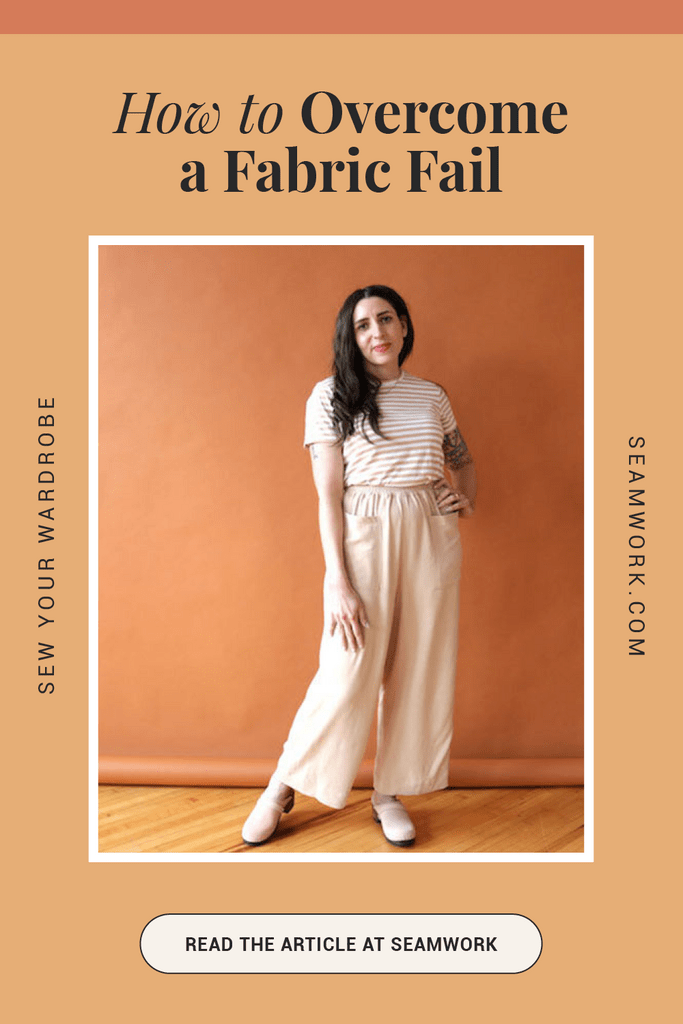
The Fabric Weight Mistake: Clinging, Bulking, and the Illusion of Cheapness
Now, let’s talk about the elephant in the room: the fabric weight mistakes that scream “cheap” louder than a neon sign. These are the sartorial sins that turn an otherwise stylish outfit into a fashion faux pas.
1. The Cling Trap: Lightweight fabrics that cling to the body like a desperate lover are the nemesis of elegance. Whether it’s a polyester blouse that sticks to every curve or a thin cotton dress that outlines every lump and bump, clinging fabrics scream desperation for attention. They lack the structure to create a polished silhouette, instead highlighting every imperfection. The solution? Opt for fabrics with a bit of body, like a structured cotton or a slightly heavier linen. Or, if you must wear a clingy fabric, pair it with a slip or shapewear to smooth out the lines.
2. The Bulk Brigade: Heavy fabrics that bulk up your frame like a marshmallow in a microwave are just as problematic. Think of a thick, stiff polyester dress that stands away from your body like a lampshade. It’s not just unflattering; it’s a visual red flag that says, “I prioritize comfort over style.” Heavy fabrics need to be balanced with lighter elements to avoid looking like you’ve wrapped yourself in a blanket. A heavy wool coat, for example, should be paired with lightweight layers underneath to create a harmonious silhouette.
3. The Mismatch Mayhem: Mixing fabrics of wildly different weights is a gamble that rarely pays off. A lightweight silk blouse paired with heavy wool pants might look like a fashion experiment gone wrong. The disparity in drape creates a disjointed look that lacks cohesion. The key is to balance the weights. If you’re wearing a heavy fabric on the bottom, opt for a lighter fabric on top, and vice versa. This creates a visual flow that’s pleasing to the eye.
4. The Sheer Shock: Sheer fabrics can be stunning when used correctly, but they’re a minefield for the uninitiated. A sheer blouse without a camisole or a see-through skirt without proper undergarments is a recipe for disaster. Sheer fabrics need to be layered or backed to maintain modesty and structure. Otherwise, they risk looking like a wardrobe malfunction rather than a deliberate choice.

How to Fix Your Fabric Weight Mistakes: A Step-by-Step Guide
If you’ve been guilty of any of the fabric weight mistakes mentioned above, don’t despair. The good news is that these issues are easily fixable with a few strategic tweaks. Here’s your step-by-step guide to rescuing your outfits from the depths of “cheap”:
Step 1: Assess the Fabric: Before you even think about wearing an outfit, pick up the fabric and give it a good squeeze. Does it feel substantial in your hands, or does it crumple like a piece of paper? If it’s too light, consider layering it with a slip or shapewear. If it’s too heavy, think about balancing it with lighter fabrics.
Step 2: Check the Drape: Hold the fabric at arm’s length and let it flow. Does it hang elegantly, or does it collapse like a deflated balloon? If it’s the latter, it’s probably too heavy for the style you’re going for. If it’s too stiff, it might need a bit of body to create movement.
Step 3: Balance the Weights: If you’re wearing a heavy fabric on the bottom, opt for a lighter fabric on top. If you’re wearing a light fabric on top, balance it with a heavier fabric on the bottom. This creates a visual harmony that’s pleasing to the eye.
Step 4: Invest in Quality: Cheap fabrics are often thin, stiff, or overly clingy because they lack the structure and drape of higher-quality materials. Investing in well-made fabrics might cost more upfront, but it will save you from the embarrassment of looking cheap.
Step 5: Experiment with Textures: Mixing textures can add depth and interest to your outfit, but be mindful of the weights. A chunky knit paired with a silky blouse can create a stunning contrast, but a thin cotton paired with a heavy tweed might look like a fashion disaster.
By following these steps, you’ll transform your outfits from “I bought this at a discount store” to “I have impeccable taste.” The fabric weight mistake is a silent saboteur, but with a little awareness and strategy, you can turn it into your greatest ally.
In the end, the weight of your fabric is more than just a number on a scale. It’s the difference between an outfit that whispers elegance and one that shouts desperation. It’s the line between a look that feels intentional and one that feels accidental. So next time you’re getting dressed, take a moment to consider the weight of your fabrics. Let them drape, let them flow, let them sing. Because when the fabric weight is just right, your outfit won’t just look expensive—it’ll feel like a masterpiece.


Leave a Comment