

Have you ever wondered how a simple shift in size can transform a quiet portrait into a breathtaking spectacle, or an intimate scene into an overwhelming experience? Scale—this seemingly straightforward concept—holds an enigmatic power in the hands of artists. But how exactly do artists manipulate scale not only to dazzle the eye, but to invite profound emotional responses such as intimacy and drama? The challenge lies in negotiating the delicate dance between proportion and perception, crafting works that resonate beyond their physical dimensions.
The Language of Scale: More Than Mere Size
Artists have long exploited scale as a visual language, carefully adjusting the size relationships between objects or figures within a composition. It’s not simply about making things bigger or smaller. Instead, scale operates as a narrative device, commanding attention, evoking mood, and guiding viewer interaction. When a figure looms large, almost spilling out of the canvas, it catapults the work into dramatic territory, emphasizing power or menace. Conversely, a diminutive subject can be shrouded in vulnerability, inviting quiet contemplation and intimacy.

One might wonder why scale is so evocative. The key lies in our innate psychological responses. Large objects dominate our field of vision and stimulate visceral reactions; smaller details require closer examination and foster emotional connection. This interplay becomes a theatre where scale choreographs intimacy and drama with subtle precision.
Intimacy Through Miniaturization and Close Focus
Imagine a small, meticulously rendered figure set against an expansive, undefined background. This technique shrinks the character in physical dimension but magnifies their emotional presence. By compressing scale, artists invite viewers to lean in, to discover nuance and detail that might otherwise be missed. This tactile encounter breeds a sense of closeness akin to whispering secrets or holding secrets close.
Consider paintings or drawings that isolate a single person or object, rendered at a reduced scale within the visual plane. The reduced size encourages a feeling of gentleness and reserve—a kind of visual hush. The viewer becomes an inquisitor peering through a keyhole, eliciting a private moment to be cherished. It’s an effect both enchanting and profound.

This sense of intimacy also surfaces in portraits that manipulate relative sizes, subtly shrinking or enlarging features to imbue characters with psychological depth. Tiny details—the glint in an eye or the curve of a lip—gain unprecedented importance, as scale directs attention to what matters most emotionally.
Drama and Grandeur: The Power of Exaggerated Scale
On the flip side, exaggerated scale is the artist’s tool for generating drama and spectacle. Enormous figures, oversized architectural elements, or vast landscapes that dwarf human subjects speak to grand themes—heroism, conflict, cosmic forces. These magnified elements overwhelm the viewer and summon awe.
Artists harness this power to craft tension within their narrative, inviting us to feel small and vulnerable or face the sublime. By manipulating scale, they frame stories that transcend the ordinary, transporting us to worlds where physical size mirrors emotional magnitude. The viewer’s gaze is drawn upward, outward, compelled to engage with a drama that unfolds on a colossal stage.
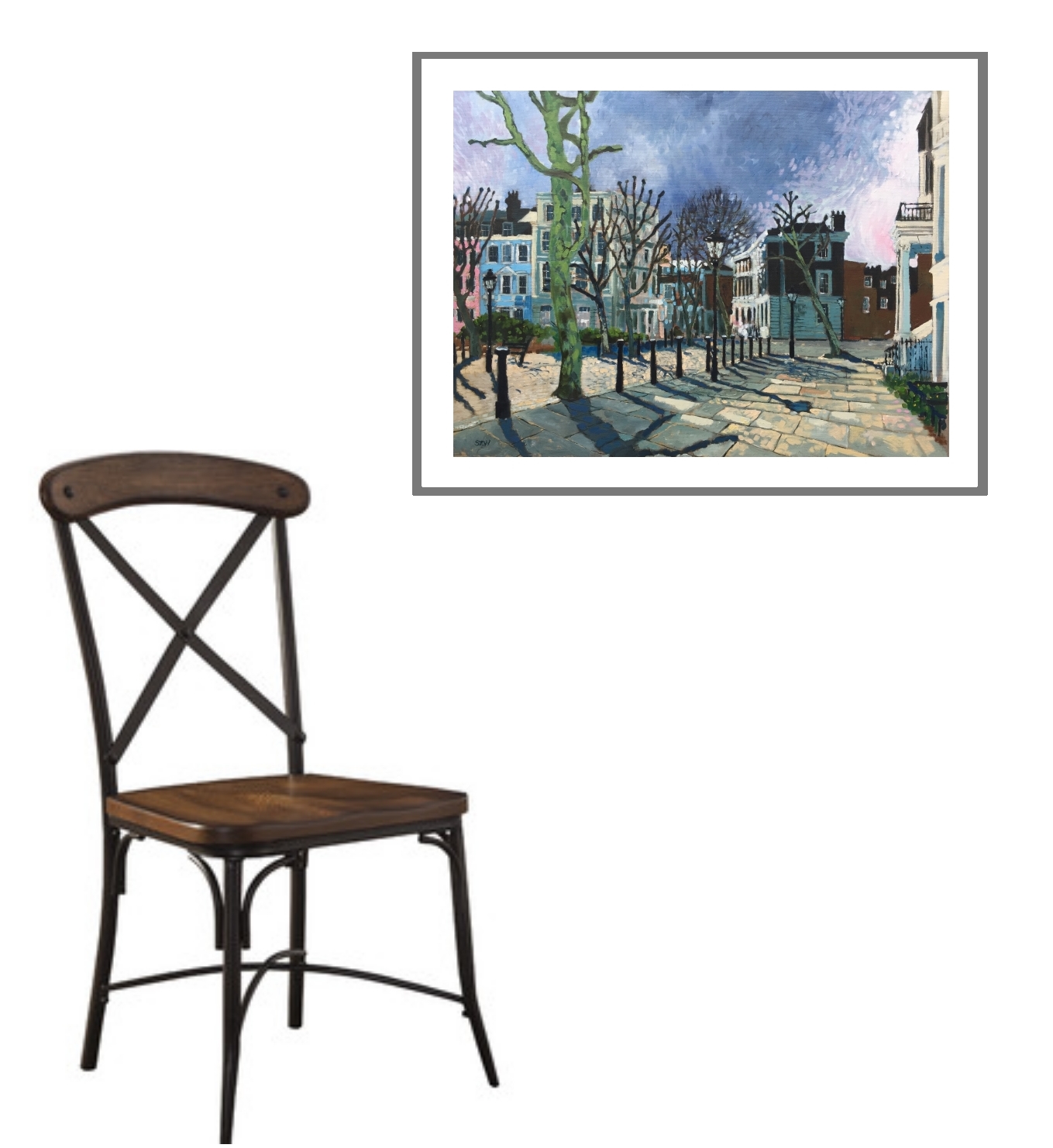
This utilisation of scale also ties into historical and cultural contexts—monumental sculptures, sprawling murals, and architectural frescoes assert authority and legacy. Even in contemporary art, unexpected shifts in scale can shock and captivate, disrupting expectations and catalyzing emotional reaction.
The Challenge: Balancing Scale to Maintain Cohesion
But herein lies a potential pitfall. Manipulating scale without consideration can lead to visual chaos or emotional disconnect rather than intimacy or drama. The subtlety of balance demands an artist’s keen eye and sensitivity. How large must the dramatic figure be before they overwhelm the narrative? How small can intimate details shrink before they become illegible?
Artists often solve this conundrum by incorporating scale harmoniously with other principles—proportion, perspective, and composition. Adroit blending of these elements preserves unity across the piece, ensuring that shifts in scale enhance rather than detract from the viewer’s experience.
The artist’s challenge is to tease out the delicate tension between grandiosity and subtlety, crafting a visual rhythm that guides the viewer’s journey through emotional peaks and valleys. Mastery of scale transforms a flat canvas into a dynamic, multilayered world where intimacy and drama coexist and converse.
Beyond Visual Size: Symbolism and Psychological Scale
Moreover, scale transcends mere physical dimensions by merging with symbolism and psychological impact. A small figure might symbolize isolation or humility. Conversely, a towering form could represent dominance or an overwhelming force. These symbolic interpretations add rich layers of meaning, deepening the viewer’s engagement beyond the surface.
Artists leverage this conceptual scale to invite contemplation on human experience—our place within the universe, relationships of power, and the tension between self and other. Scale becomes a mirror reflecting our inner emotional landscapes.
Ultimately, the artful application of scale challenges us to reconsider how we perceive size, space, and emotion. It beckons us to step closer or pull away, to feel the whisper of intimacy or the roar of drama. Through this nuanced interplay, artists not only depict the world but awaken our senses—transforming mere viewing into profound feeling.


Leave a Comment